
How Many Websites Are There? What are Impressions? The Scale of the Web & How Your Store Gets Noticed
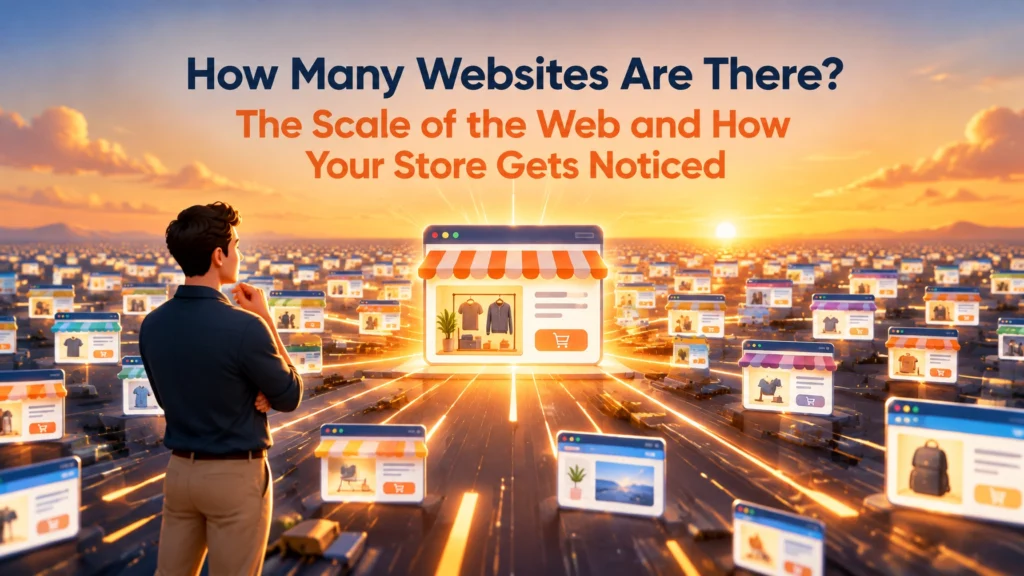
The web boasts over 1.5 billion websites, yet fewer than 200 million are active, and only a small fraction truly competes for your customers. For Shopify and WooCommerce sellers, the challenge lies not just in being online but in earning impressions that convert into sales. Discover how to navigate this vast digital landscape, understand the difference between impressions and clicks, and learn effective strategies to increase your store’s visibility. From optimizing your SEO to leveraging social media and email marketing, find out how to turn your hard-earned traffic into loyal customers while ensuring your fulfillment meets expectations.
Best Fulfillment Solutions for Small Business and When to Outsource
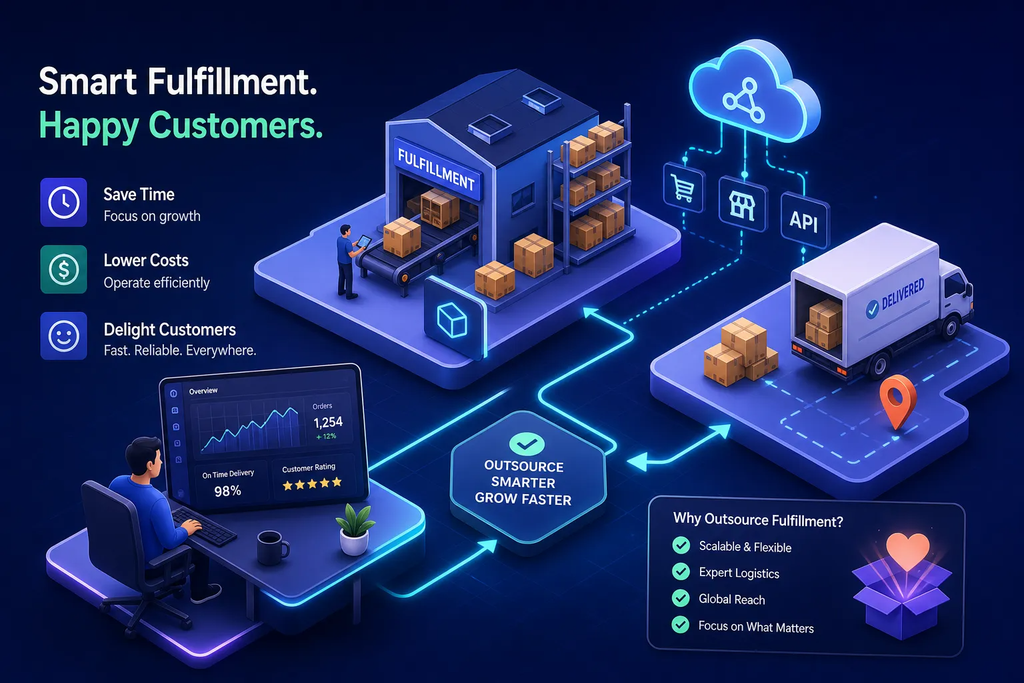
Fulfillment for small business quietly becomes the biggest operational drain on an e-commerce operation before most owners notice it. Processing 50 orders a week from your spare bedroom feels manageable, maybe even enjoyable. Doing 250 orders a week while also running ads, managing suppliers, negotiating with vendors, and handling customer service tickets is where the […]
Top Features to Look for in Order Fulfillment Companies for Small and Mid-Sized E-commerce Brands
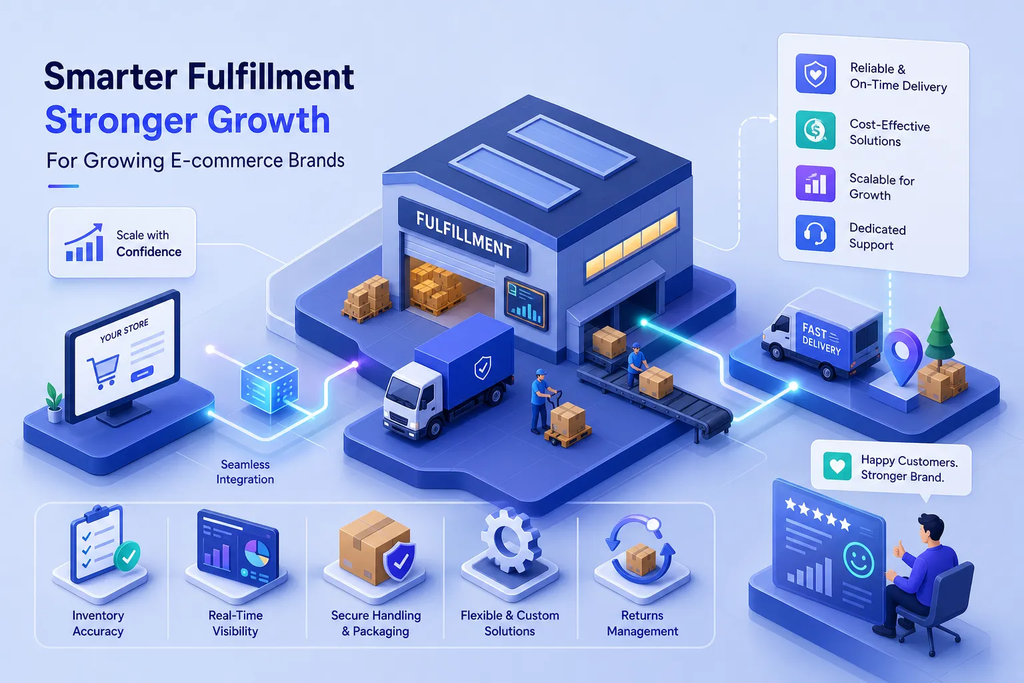
Choosing the right order fulfillment partner is a critical decision for small and mid-sized e-commerce brands, especially with the stakes so high. A bad 3PL can lead to slow delivery times, unexpected fees, and inadequate support during peak seasons. This article offers a practical framework to evaluate potential partners based on essential criteria like pricing transparency, warehouse coverage, and platform integrations. Discover how to avoid hidden costs and operational pitfalls, ensuring your fulfillment strategy aligns with your business needs. Whether you’re an Amazon FBM seller or a multi-channel brand, understanding these factors can make all the difference in your success.
AI Shopping for Shopify Sellers: What It Means and How to Leverage It
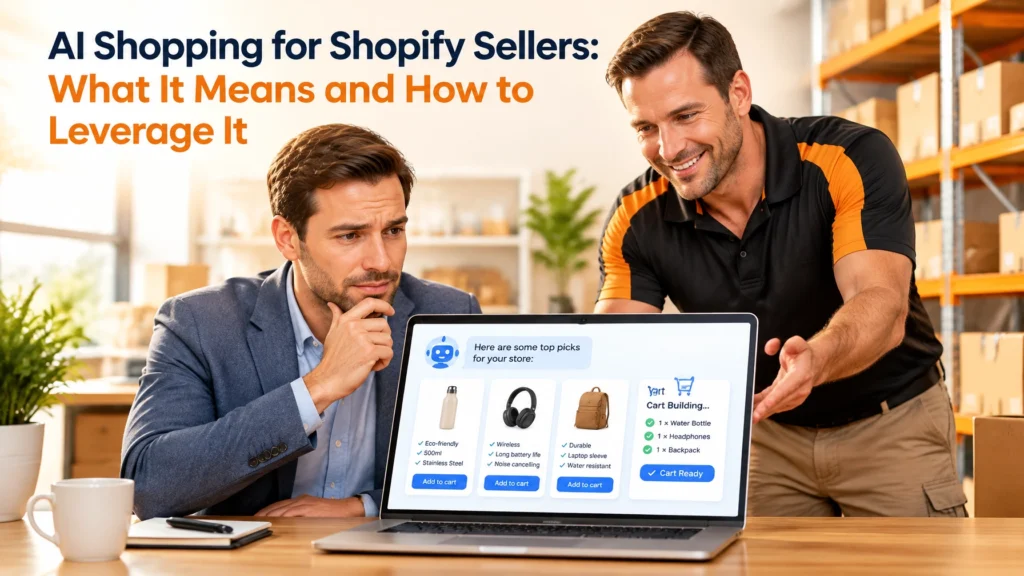
AI commerce is changing how Shopify shoppers discover products, compare sellers, and build carts. This guide explains the shift from traditional search to agentic commerce, including Shopify Catalog, Agentic Storefronts, WebMCP, and the Universal Commerce Protocol. It also covers the recent history of conversational commerce and provides a practical readiness plan for sellers. The highest priority is accurate, structured product data covering price, inventory, attributes, reviews, shipping, and returns. Finally, the article explains why fulfillment reliability, real-time inventory, same day shipping, and a defensible delivery promise are essential when AI agents act on a customer’s behalf.
The Best 3PL for Small Business: The Policies That Turn a Fulfillment Partner Into a Launch Pad
Most 3PLs are not designed for early-stage ecommerce sellers. Only an estimated 3% to 5% accept startups because new accounts require resources before they generate predictable volume. FBMFulfillment takes a different approach with minimums waived for 12 months, no onboarding fee, month-to-month terms, competitive shipping rates, optional coaching, strategic Jacksonville operations, world-class technology, and post-pay invoicing. We are startup-friendly but selective because we succeed only when you succeed. Bring a well-thought-out plan and reasonable expectations, and your fulfillment partner can become a launch pad for long-term growth.
Stop Paying for “Ghost Space” fees : The invisible line item in your 3PL Storage Rates Invoice that’s funding your warehouse landlord’s vacation

The “Ghost Space” Tax is the hidden cost of traditional 3PL pallet-position billing, where ecommerce sellers pay for full pallet slots regardless of how much inventory they actually hold. This “rounded-up” billing model essentially forces sellers to pay for air, significantly draining margins. FBMFulfillment.com addresses this industry-wide problem by utilizing daily prorated cubic volume billing. By charging only for the physical space occupied and updating those charges daily, sellers can save thousands in unnecessary storage fees. This founder-to-founder guide explains the math behind the “Ghost Space” tax and why choosing an ecommerce fulfillment center in Florida with a usage-based billing model is critical for scaling a multichannel brand.