
The Best 3PL for Small Business: The Policies That Turn a Fulfillment Partner Into a Launch Pad
Most 3PLs are not designed for early-stage ecommerce sellers. Only an estimated 3% to 5% accept startups because new accounts require resources before they generate predictable volume. FBMFulfillment takes a different approach with minimums waived for 12 months, no onboarding fee, month-to-month terms, competitive shipping rates, optional coaching, strategic Jacksonville operations, world-class technology, and post-pay invoicing. We are startup-friendly but selective because we succeed only when you succeed. Bring a well-thought-out plan and reasonable expectations, and your fulfillment partner can become a launch pad for long-term growth.
The Logical 3PL Pallet Storage Rate Trap: How one physical pallet becomes 10 billing line items (and how to stop the margin bleed)
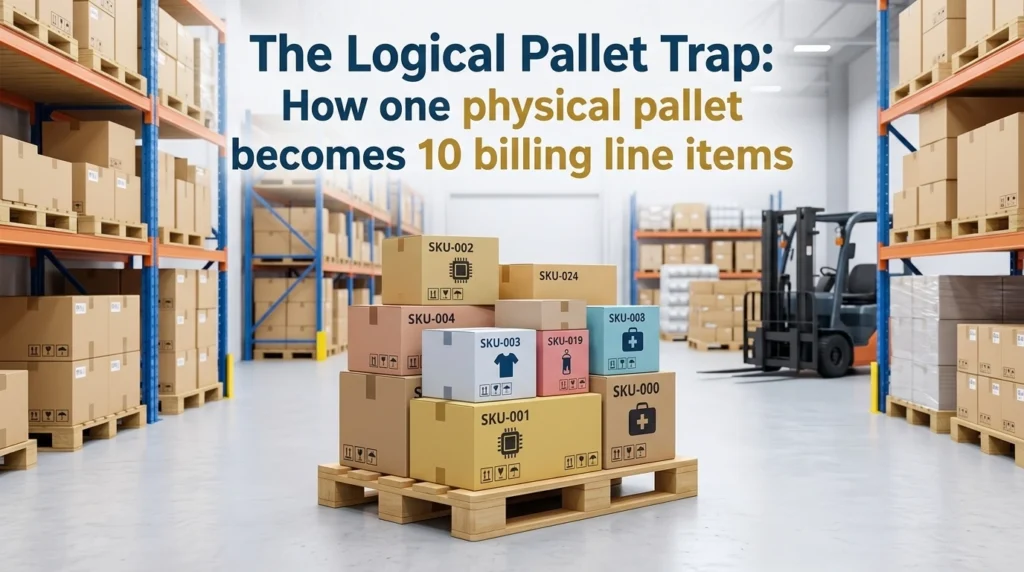
The “Logical Pallet Trap” is a deceptive billing practice where 3PLs charge for every SKU as a separate pallet position, even when multiple SKUs occupy a single physical pallet. This creates “Ghost Space” fees that can inflate storage costs by 500% or more, severely eroding profit margins for e-commerce and B2B sellers. This article explains how the trap works, why traditional 3PLs use it, and how FBMFulfillment’s physical-footprint billing model protects sellers. Learn how to audit your 3pl fulfillment prep and choose b2b order fulfillment services that prioritize your bottom line.
The B2B Fulfillment Framework: How to Scale Wholesale Operations Without Doubling Your Costs
Scaling wholesale operations often leads to skyrocketing costs and logistical headaches due to the divide between DTC and B2B requirements. This article outlines the “B2B Fulfillment Framework,” emphasizing the importance of a single inventory pool to maximize capital efficiency and avoid stockouts. We dive into the necessity of specialized infrastructure for bulk storage, the role of EDI/API integrations for retail compliance, and the strategic advantages of a fulfillment center in florida. By leveraging seller-centric b2b order fulfillment services, brands can automate wholesale growth while maintaining the precision needed to avoid costly retail chargebacks.
Best 3PL Fulfillment Companies for Small Businesses in the US
Choosing a fulfillment partner is a long-term business decision, not a search for the lowest warehouse rate. This guide explains how small ecommerce sellers can compare 3PLs by pricing, minimums, integrations, location, same-day processing, delivery speed, returns, and contract flexibility. Learn why most 3PLs reject small accounts, which startup-friendly policies matter, how to audit a sample invoice, and how to build a productive relationship with a fulfillment provider. FBMFulfillment offers waived minimums for 12 months, no onboarding fee, month-to-month terms, enterprise-level rates, Jacksonville operations, multichannel technology, FBA replenishment support, and post-pay invoicing.
Looking for B2B Order Fulfillment Services? 5 Things You Should Know to Scale Wholesale in 2026
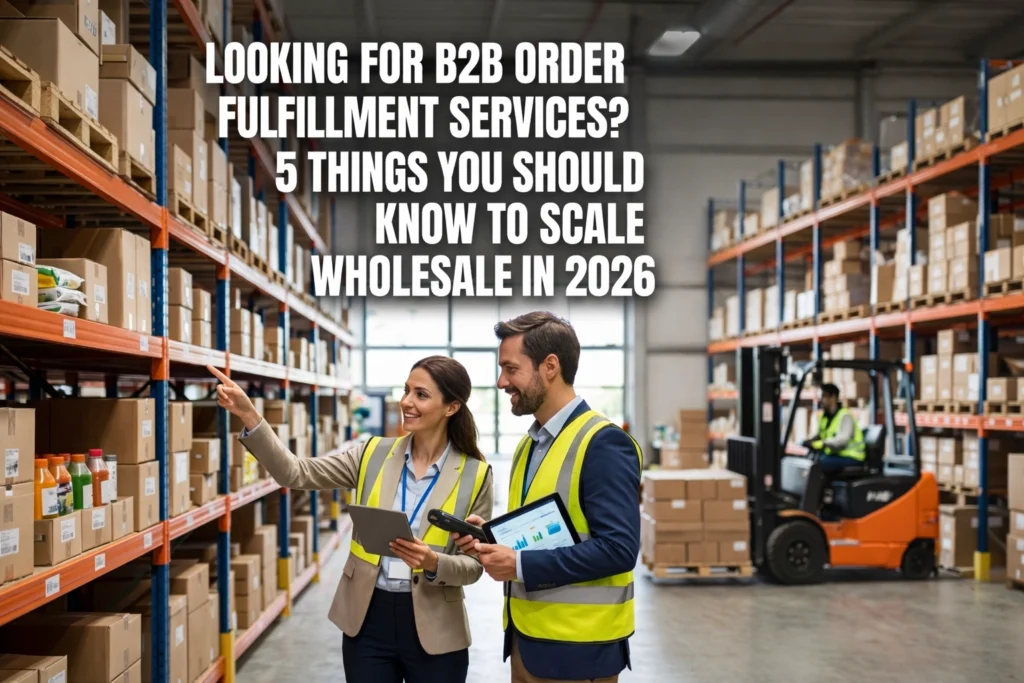
Moving from DTC to wholesale is a massive leap in complexity. This post highlights five essentials for scaling B2B, from mastering freight (pallets over parcels) to using high-end tech like Unit of Measure (UOM) and License Plate Number (LPN) tracking. We expose the “chargeback trap” caused by rigid retailer routing guides and explain how our “Double-Scan Standard” ensures 100% accuracy. Plus, see how our direct Amazon FBA replenishment technology automates your drip-feed, keeping your business lean and protected from Amazon’s shifting rules and expensive storage fees.
AI and the Ecommerce Entrepreneur: How Smart Tools Cut Startup Costs and Risk in 2026
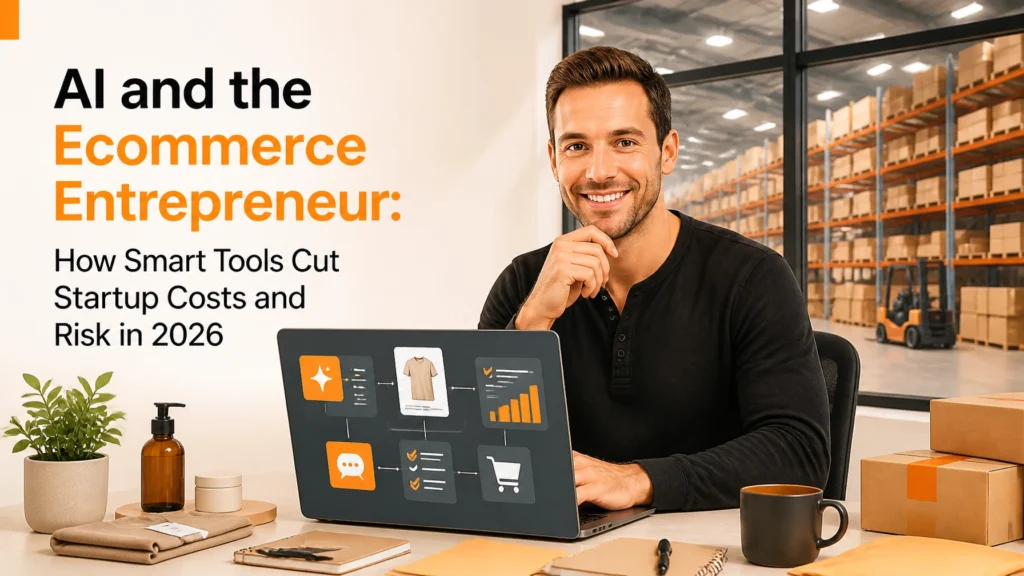
AI is helping lean founders launch faster by improving research, sourcing, websites, customer service, legal drafting, social media, and content without the cost of a full team. This article explains the difference between chat-first tools like ChatGPT and Claude and agentic AI platforms like Marblism, including why Rachel’s 24/7 phone support and a second AI opinion can reduce operational risk. It also shows where human review is still mandatory and why FBMFulfillment remains the physical execution layer for receiving, storing, packing, shipping, and returns.