
Los Angeles vs Jacksonville: How Warehouse Location Changes Your Landed Cost and Your Postage
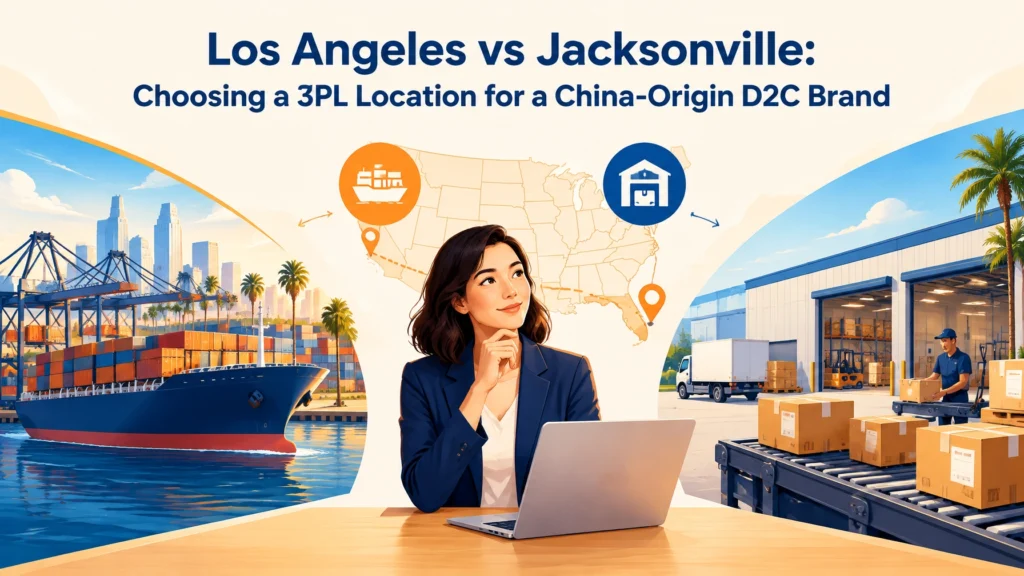
If you are comparing a warehouse location based on its rate card alone, you are missing the costs that shape your margin: getting inventory to the building, storing it, and delivering each order to your customer. Los Angeles has real advantages for China imports and West Coast demand. Jacksonville can offer a stronger cost position […]
The Best 3PL for Small Business: The Policies That Turn a Fulfillment Partner Into a Launch Pad
Most 3PLs are not designed for early-stage ecommerce sellers. Only an estimated 3% to 5% accept startups because new accounts require resources before they generate predictable volume. FBMFulfillment takes a different approach with minimums waived for 12 months, no onboarding fee, month-to-month terms, competitive shipping rates, optional coaching, strategic Jacksonville operations, world-class technology, and post-pay invoicing. We are startup-friendly but selective because we succeed only when you succeed. Bring a well-thought-out plan and reasonable expectations, and your fulfillment partner can become a launch pad for long-term growth.
Why Amazon Sellers Fail: Top 10 Reasons New Sellers Go Broke
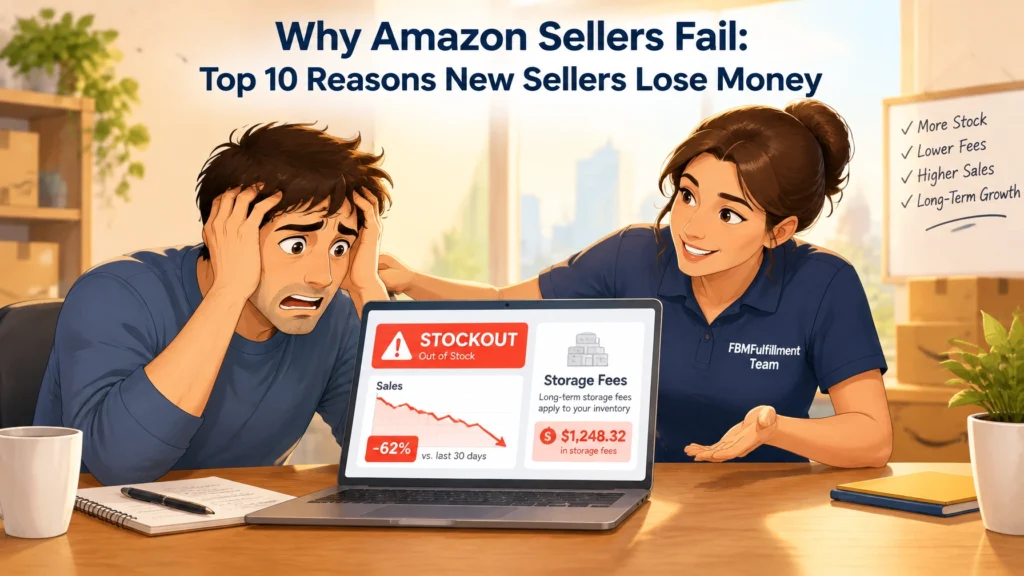
New Amazon sellers rarely lose money because of one isolated mistake. More often, weak product differentiation, thin margins, poor quality control, an unprepared launch, excessive FBA inventory, stockouts, cash flow gaps, and policy failures compound into a serious loss. This guide explains the ten operational reasons new sellers struggle and provides practical solutions for protecting landed cost, managing lead times, controlling MOQ exposure, maintaining inventory across channels, and preserving fulfillment flexibility. Learn how a disciplined 3PL strategy and FBMFulfillment’s FBA Replenishment Module can help you avoid preventable mistakes and build a more durable Amazon business.
The Non-Resident’s Importer of Record : How to Sell on Amazon, Etsy, eBay & Shopify in the US Market in 2026
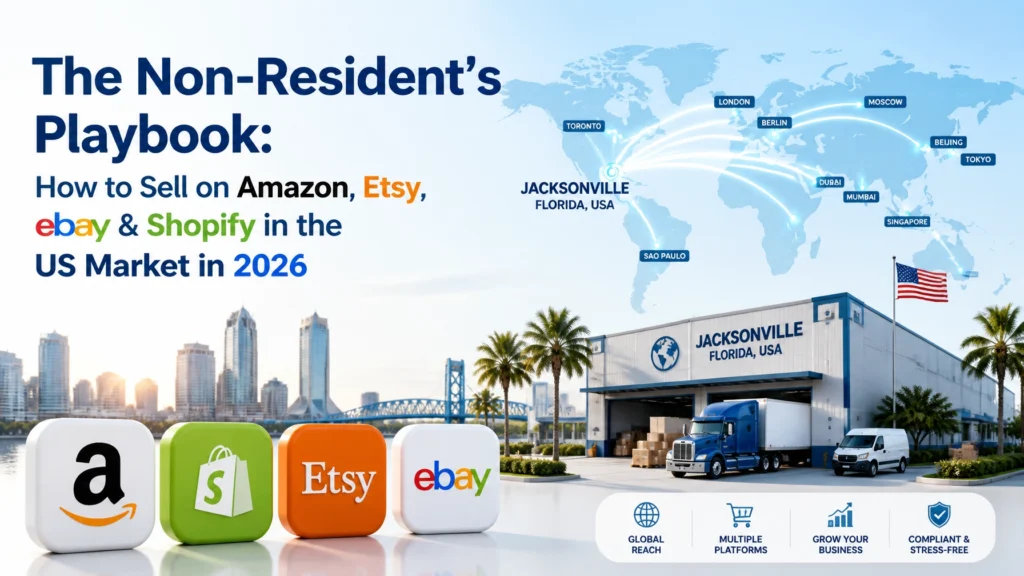
Selling in the US as a non-resident requires more than just a great product; it requires the right operating structure and a clear customs plan. This guide explains whether you need a non resident llc in usa, how to open a US bank account for non residents, what importer of record meaning actually involves, and why non-US sellers often must serve as the importer of record for their own shipments. We also cover form 5472 instructions, the ebay dropshipping policy, and why reliable third party logistics 3pl services are critical for Amazon, Shopify, Etsy, and eBay growth.
The National Warehouse Myth: Why More Locations Can Be a Massive Hidden Cost
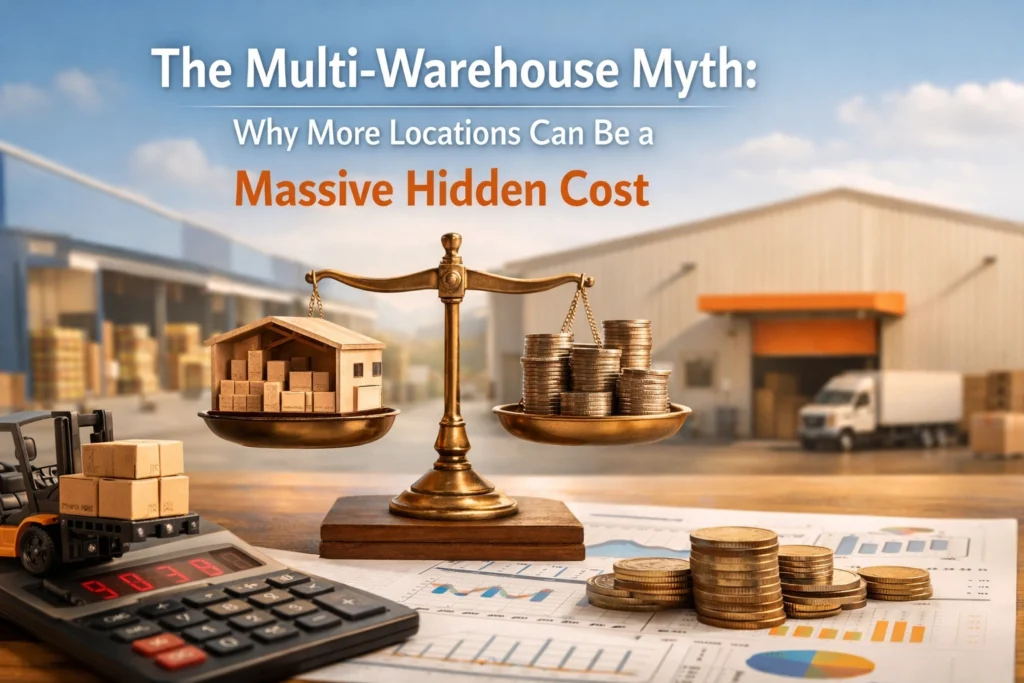
Don’t be fooled by the “national footprint” sales pitch. While splitting inventory across multiple warehouses sounds efficient, for most brands it’s a “safety stock cash trap.” This post exposes the hidden costs of multi-node strategies: double receiving fees, internal replenishment freight, and the dreaded split-order disaster that erases profit margins. Unless you ship 75-pound weight benches, a centralized, high-performance hub like our Florida facility is the smarter move. It simplifies inventory, maximizes cash flow, and provides concierge-level service that massive warehouse networks simply can’t match.
The Logical 3PL Pallet Storage Rate Trap: How one physical pallet becomes 10 billing line items (and how to stop the margin bleed)
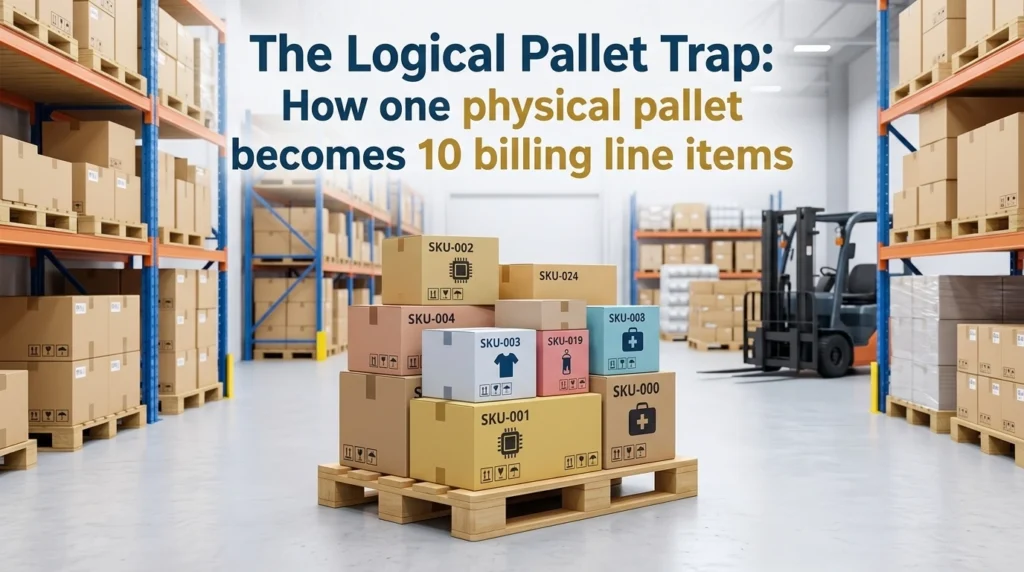
The “Logical Pallet Trap” is a deceptive billing practice where 3PLs charge for every SKU as a separate pallet position, even when multiple SKUs occupy a single physical pallet. This creates “Ghost Space” fees that can inflate storage costs by 500% or more, severely eroding profit margins for e-commerce and B2B sellers. This article explains how the trap works, why traditional 3PLs use it, and how FBMFulfillment’s physical-footprint billing model protects sellers. Learn how to audit your 3pl fulfillment prep and choose b2b order fulfillment services that prioritize your bottom line.