
Amazon FBA Virtual Bundles: The Seller’s Guide to Bundling Without Prep
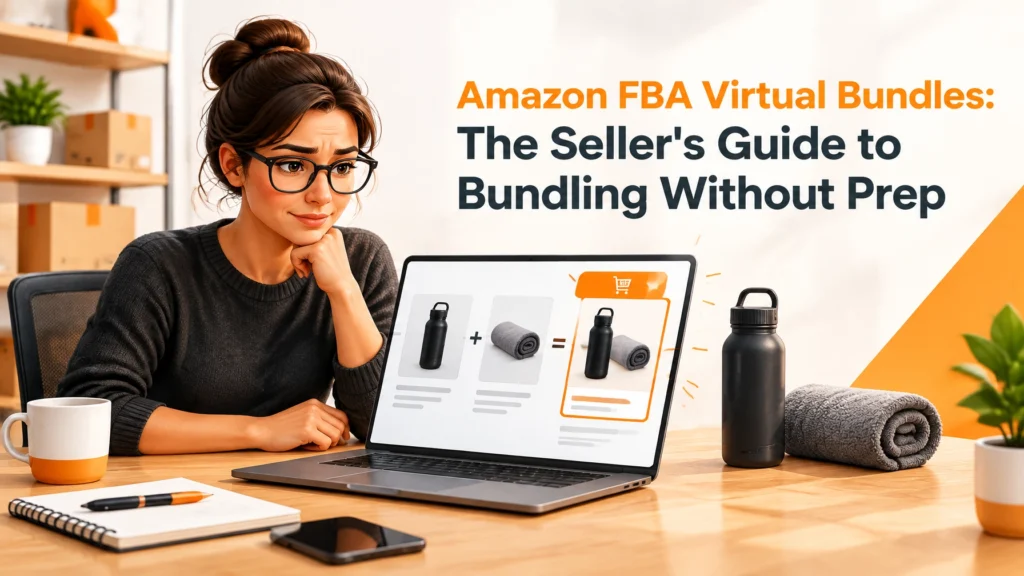
An amazon bundle built with FBA Virtual Bundles lets eligible sellers offer two to five products in one listing without physically kitting or sending new inventory to FBA. But Amazon fulfills each component individually, so fees can add up — and starting January 11, 2027, most physical bundles must be manufacturer-packaged, making virtual bundles the exempt path for custom kits. Learn who can create a bundle, how to set one up in Seller Central, what the policy change means for existing FBA kits, and how FBM virtual bundling at a 3PL differs from Amazon’s FBA tool.
The National Warehouse Myth: Why More Locations Can Be a Massive Hidden Cost
Don’t be fooled by the “national footprint” sales pitch. While splitting inventory across multiple warehouses sounds efficient, for most brands it’s a “safety stock cash trap.” This post exposes the hidden costs of multi-node strategies: double receiving fees, internal replenishment freight, and the dreaded split-order disaster that erases profit margins. Unless you ship 75-pound weight benches, a centralized, high-performance hub like our Florida facility is the smarter move. It simplifies inventory, maximizes cash flow, and provides concierge-level service that massive warehouse networks simply can’t match.
The Real Cost of a Stockout: Direct, Hidden, and Amazon Penalty Costs Every Seller Underestimates
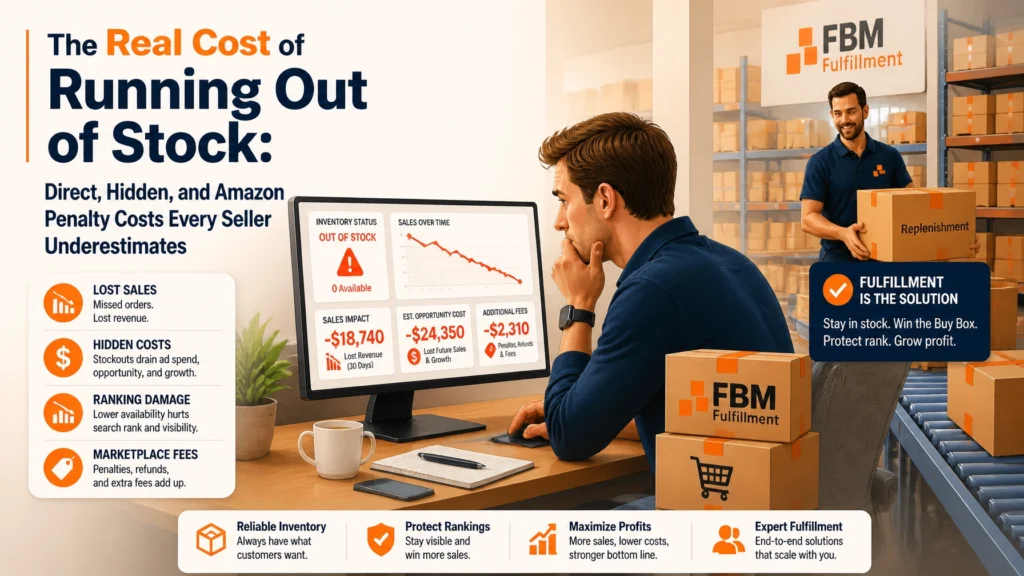
Running out of stock costs far more than the revenue from missed orders. Ranking decay can begin within 24 to 72 hours, recovery can take 2 to 8 weeks, and recovery advertising may cost 30% to 100% more than normal. Add Amazon’s Low Inventory Level fee, emergency freight, lost customers, and disrupted subscriptions, and the true cost can reach 2 to 5 times the direct lost sales value. This guide explains the direct costs, opportunity costs, Amazon penalties, BSR damage, and the role of domestic 3PL replenishment in preventing the next stockout.
The B2B Fulfillment Framework: How to Scale Wholesale Operations Without Doubling Your Costs
Scaling wholesale operations often leads to skyrocketing costs and logistical headaches due to the divide between DTC and B2B requirements. This article outlines the “B2B Fulfillment Framework,” emphasizing the importance of a single inventory pool to maximize capital efficiency and avoid stockouts. We dive into the necessity of specialized infrastructure for bulk storage, the role of EDI/API integrations for retail compliance, and the strategic advantages of a fulfillment center in florida. By leveraging seller-centric b2b order fulfillment services, brands can automate wholesale growth while maintaining the precision needed to avoid costly retail chargebacks.
The 2026 TikTok Shop Fulfillment Playbook: How to Survive the March 31 Deadline and Scale Viral Hits
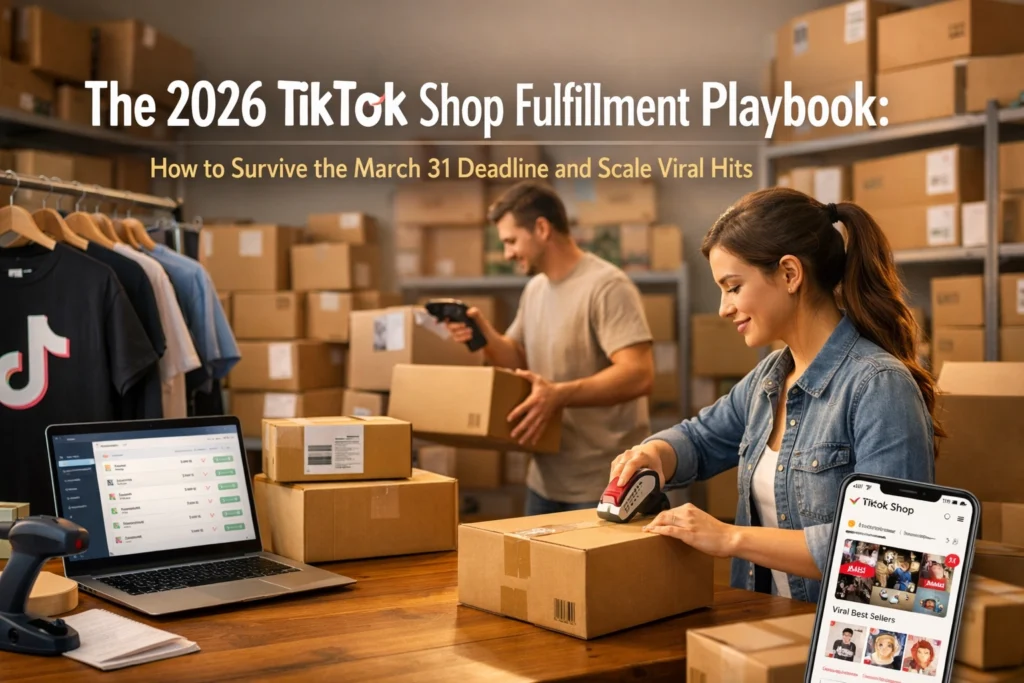
The March 31 deadline is TikTok Shop’s way of rewarding professionals and clearing out hobbyists. With strict new logistics enforcement, your “Time to First Scan” is now an algorithm factor. This playbook breaks down the metrics you must hit—like an Account Health Rating above 150—and why 48-hour dispatch is the absolute limit. We discuss the “Frown Factor” of using Amazon-branded packaging and how our single inventory pool and same-day guarantee protect your brand from the “Algorithm Killer” during viral spikes. Survive the transition and keep your reach alive.
Amazon, TikTok, and Shopify walk into a warehouse: Why They All Need the Same SKU

SKU consistency is the glue of multi-channel e-commerce. Inconsistent naming across Amazon, TikTok, and Shopify leads to “false backorders,” overselling nightmares, and unnecessary manual mapping fees. This post explains why the Amazon SKU is “set in stone” and how to use the “-FBM” suffix solution to manage hybrid fulfillment successfully. By standardizing your SKUs, you ensure that every sale—whether from a viral TikTok trend or a Shopify subscription—deducts from the same physical inventory pool. Stop fighting your WMS and start syncing your empire like a Swiss watch.