
DNR-USPS Says Delivered But No Package: Strategies for an Ecommerce Seller
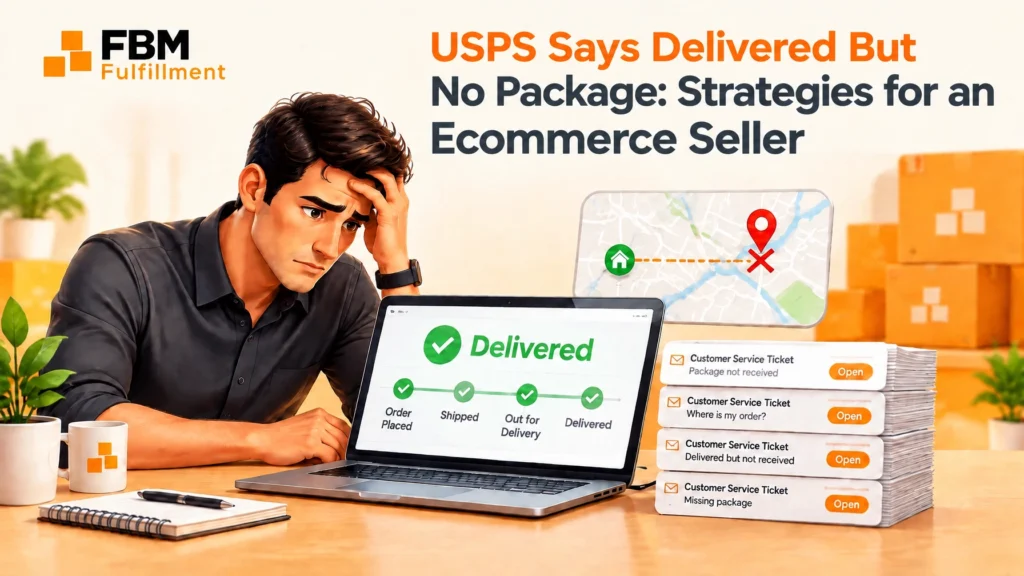
USPS Says Delivered But No Package: Strategies for an Ecommerce Seller explains that when usps says delivered but no package appears, the claim usually comes from one of three causes: carrier misdelivery, a fraudulent buyer claim, or porch piracy after a correct delivery. Each requires a different response. This streamlined hub shows sellers how to separate the cause, protect margin, and route the case to the right companion guide for USPS/DHL, UPS/FedEx, or Amazon. It also covers when to use third-party shipping insurance, when to require a signature, and how a self-insurance pool can support consistent decisions. The result is a practical 48-hour playbook for handling missing packages without unnecessary delay or duplicated process.
Best Fulfillment Solutions for Small Business and When to Outsource
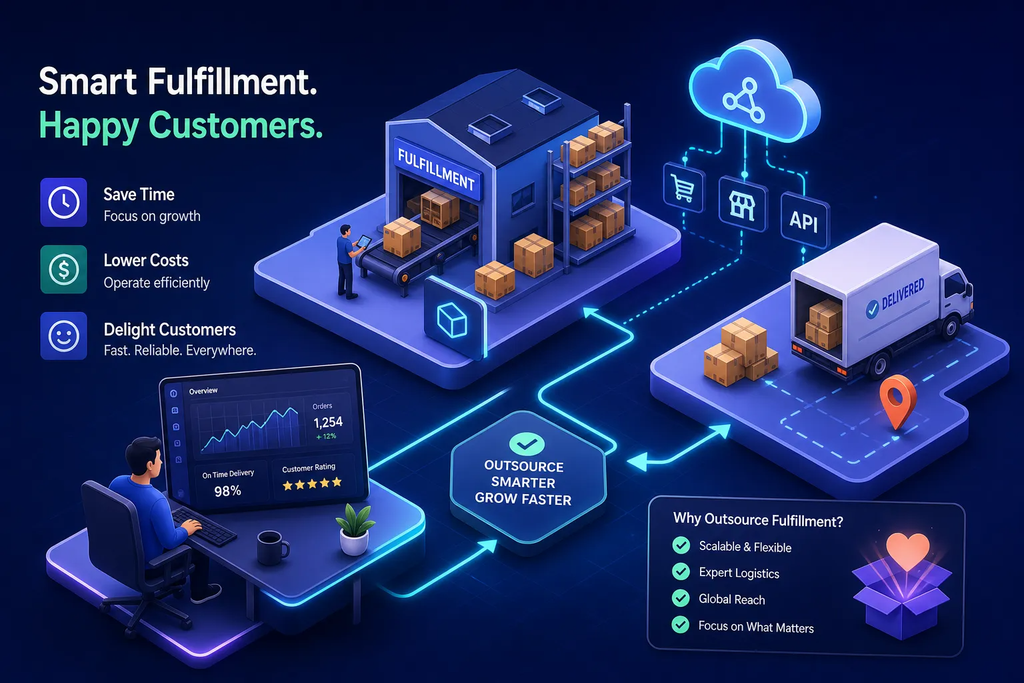
Fulfillment for small business quietly becomes the biggest operational drain on an e-commerce operation before most owners notice it. Processing 50 orders a week from your spare bedroom feels manageable, maybe even enjoyable. Doing 250 orders a week while also running ads, managing suppliers, negotiating with vendors, and handling customer service tickets is where the […]
Top Features to Look for in Order Fulfillment Companies for Small and Mid-Sized E-commerce Brands
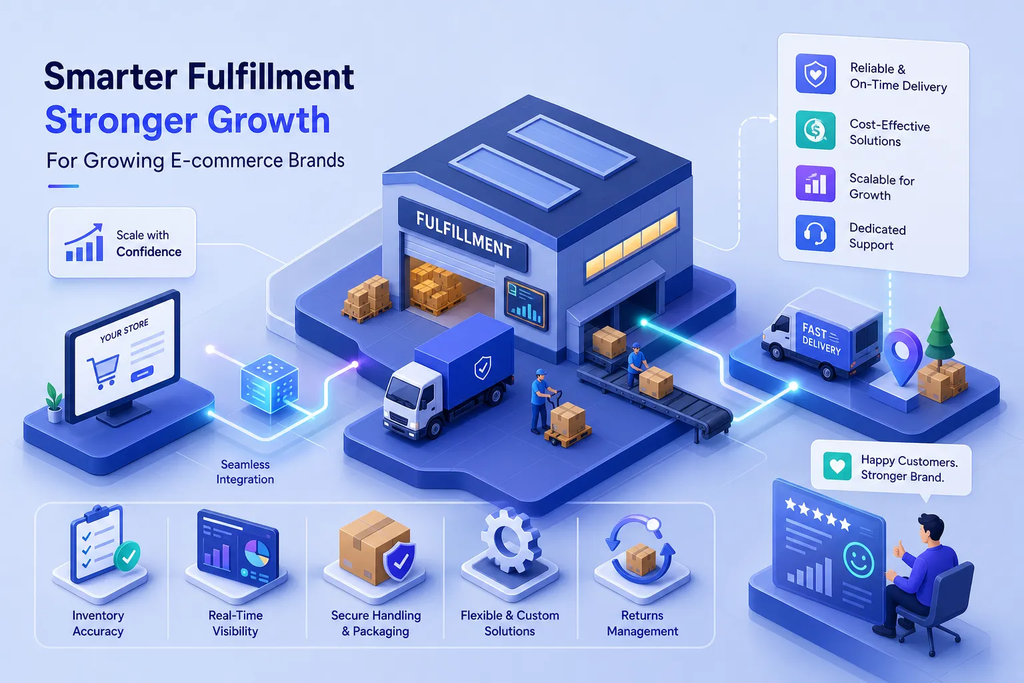
Choosing the right order fulfillment partner is a critical decision for small and mid-sized e-commerce brands, especially with the stakes so high. A bad 3PL can lead to slow delivery times, unexpected fees, and inadequate support during peak seasons. This article offers a practical framework to evaluate potential partners based on essential criteria like pricing transparency, warehouse coverage, and platform integrations. Discover how to avoid hidden costs and operational pitfalls, ensuring your fulfillment strategy aligns with your business needs. Whether you’re an Amazon FBM seller or a multi-channel brand, understanding these factors can make all the difference in your success.
USPS Missing Mail: Your Client Reports a Lost Package, What Now?
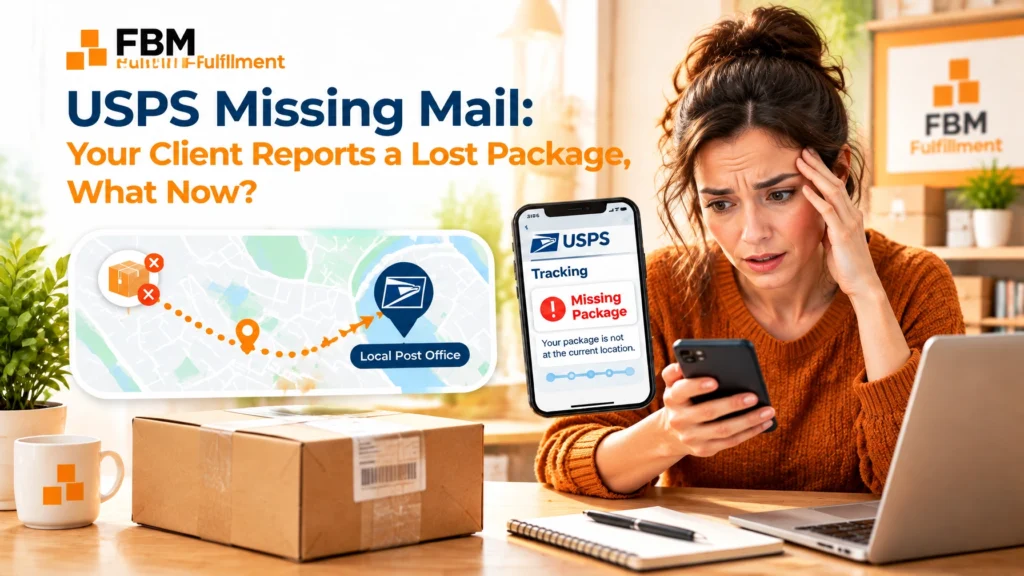
A client reports a lost package, and now you need the right diagnosis before you file anything. Learn when to use a Missing Mail Search, Help Request Form, or USPS indemnity claim; how to escalate a Delivered Not Received scan using local supervisor and GPS data; and who has standing to file when Amazon, TikTok, or a 3PL purchased the label. This guide also explains USPS domestic claim windows, DHL eCommerce Max and U-PIC handoffs, the 21-day and 90-day DHL timing rules, denied-claim responses, porch piracy, misdelivery, and fraudulent buyer claims.
UPS and FedEx Lost Package: Your Client Reports a Lost Package, What Now?
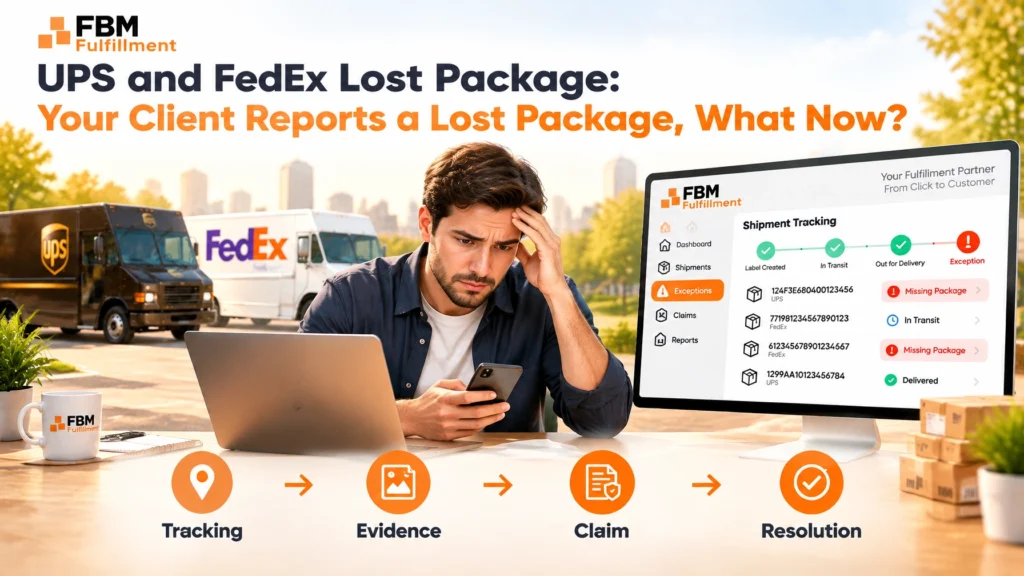
Your client reports a UPS lost package or FedEx missing package, and you need fast diagnosis and disciplined documentation. Learn how to distinguish lost-in-transit shipments from misdelivery, porch piracy, fraudulent claims, and damage cases. This guide explains who can file, why the sender or label purchaser and receiver or addressee are the key parties with standing, and how Amazon Buy Shipping, TikTok Buy Shipping, and 3PL-purchased labels change the process. Review UPS and FedEx claim windows, delivery-location evidence, signature options, proof-of-value requirements, and the operational steps that protect seller margins.
AI Shopping for Shopify Sellers: What It Means and How to Leverage It
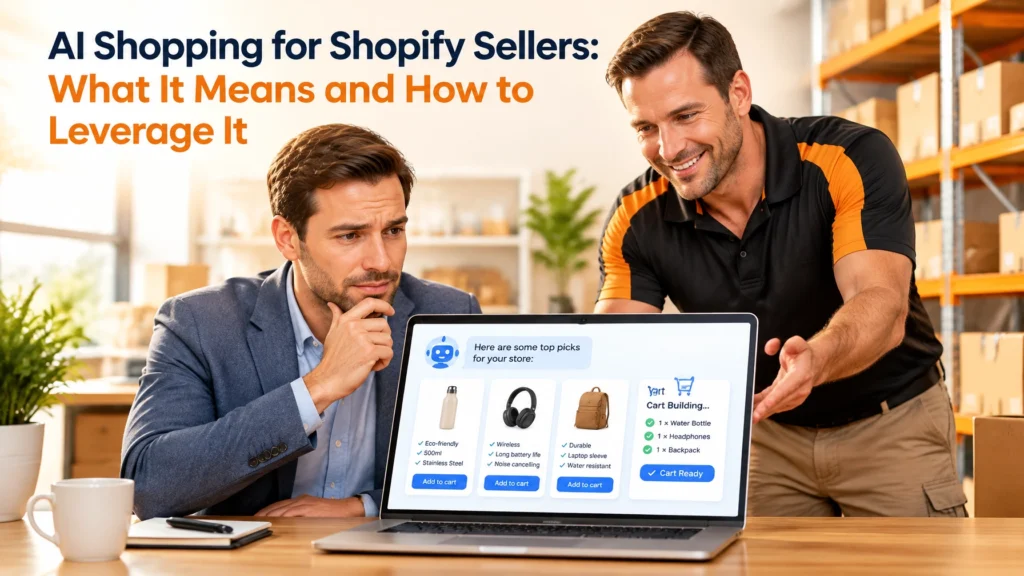
AI commerce is changing how Shopify shoppers discover products, compare sellers, and build carts. This guide explains the shift from traditional search to agentic commerce, including Shopify Catalog, Agentic Storefronts, WebMCP, and the Universal Commerce Protocol. It also covers the recent history of conversational commerce and provides a practical readiness plan for sellers. The highest priority is accurate, structured product data covering price, inventory, attributes, reviews, shipping, and returns. Finally, the article explains why fulfillment reliability, real-time inventory, same day shipping, and a defensible delivery promise are essential when AI agents act on a customer’s behalf.