
Amazon FBA Virtual Bundles: The Seller’s Guide to Bundling Without Prep
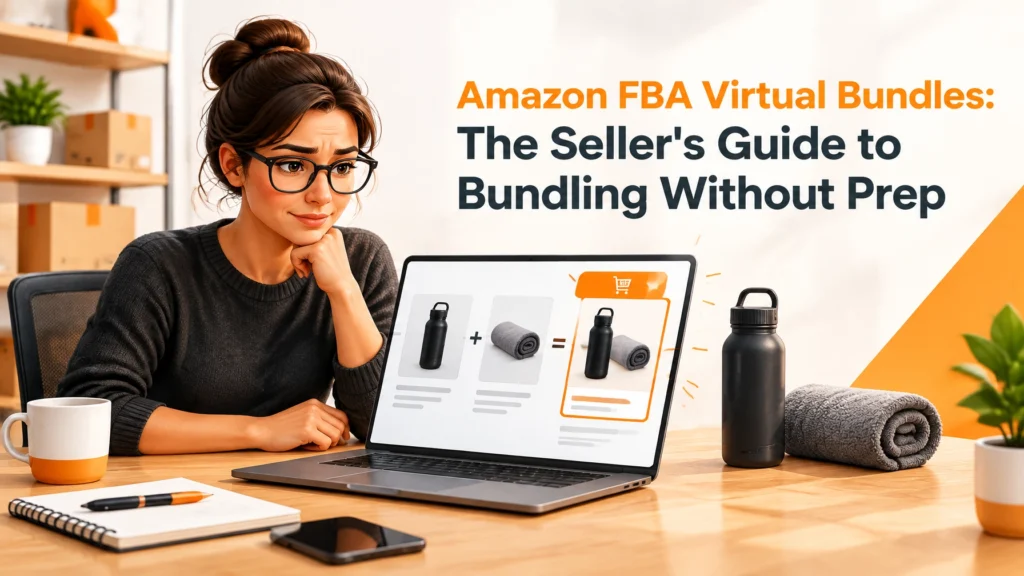
An amazon bundle built with FBA Virtual Bundles lets eligible sellers offer two to five products in one listing without physically kitting or sending new inventory to FBA. But Amazon fulfills each component individually, so fees can add up — and starting January 11, 2027, most physical bundles must be manufacturer-packaged, making virtual bundles the exempt path for custom kits. Learn who can create a bundle, how to set one up in Seller Central, what the policy change means for existing FBA kits, and how FBM virtual bundling at a 3PL differs from Amazon’s FBA tool.
Amazon Product Barcode Rules: FNSKUs vs GTINs — When You Need Each and When You Don’t
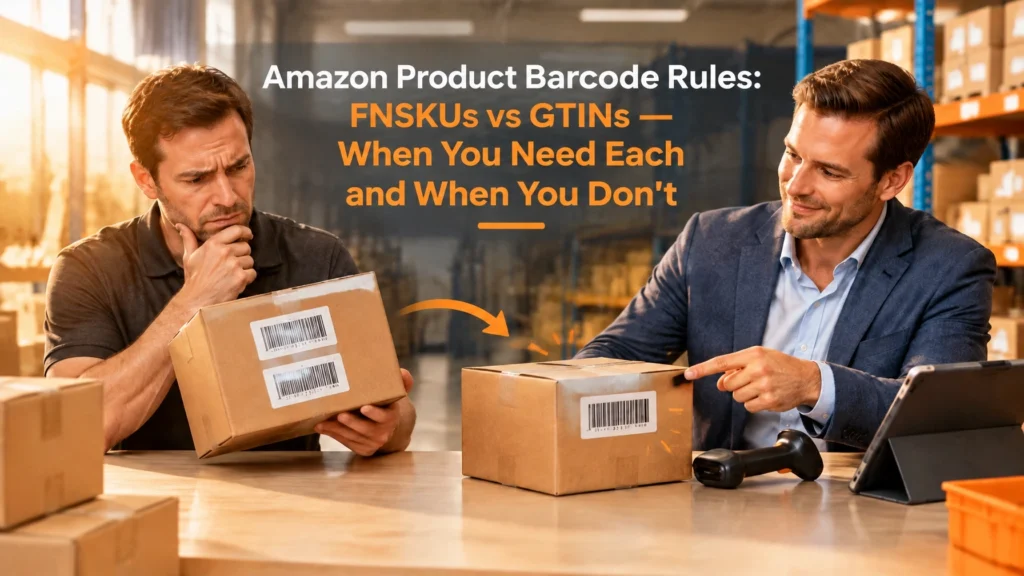
Amazon’s product barcode rules are evolving, and understanding the differences between FNSKUs and GTINs is crucial for sellers. Starting March 31, 2026, resellers must label each unit with an FNSKU, while eligible brand owners may use manufacturer barcodes under strict conditions. This change impacts compliance, costs, and inventory control. Are you aware of when to use an FNSKU versus a GTIN? Discover how to navigate these new requirements, avoid unnecessary labeling costs, and ensure your products meet Amazon’s standards. Dive into our comprehensive guide to stay ahead in the competitive world of FBA selling!
How Many Websites Are There? What are Impressions? The Scale of the Web & How Your Store Gets Noticed

The web boasts over 1.5 billion websites, yet fewer than 200 million are active, and only a small fraction truly competes for your customers. For Shopify and WooCommerce sellers, the challenge lies not just in being online but in earning impressions that convert into sales. Discover how to navigate this vast digital landscape, understand the difference between impressions and clicks, and learn effective strategies to increase your store’s visibility. From optimizing your SEO to leveraging social media and email marketing, find out how to turn your hard-earned traffic into loyal customers while ensuring your fulfillment meets expectations.
DNR-USPS Says Delivered But No Package: Strategies for an Ecommerce Seller
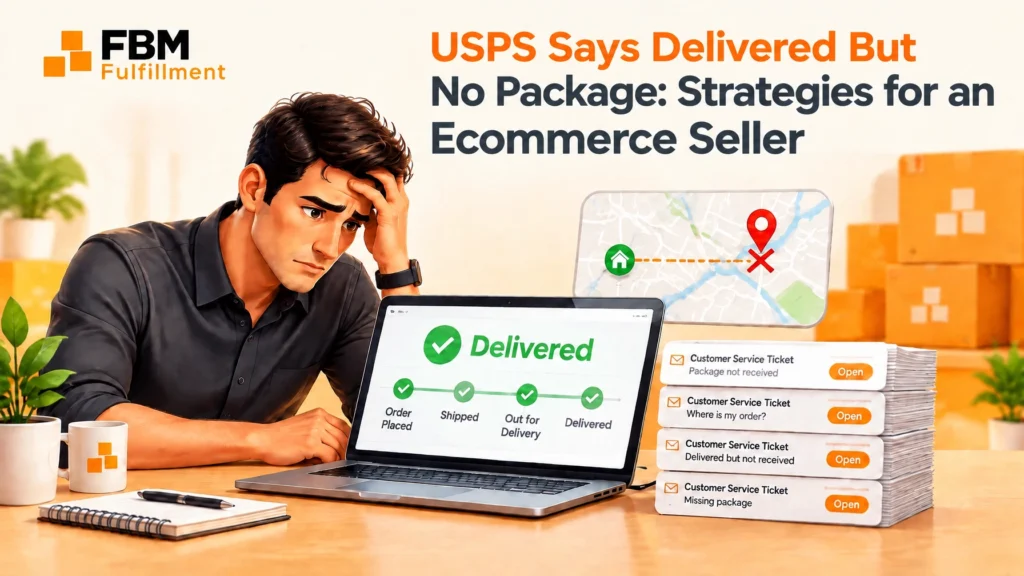
USPS Says Delivered But No Package: Strategies for an Ecommerce Seller explains that when usps says delivered but no package appears, the claim usually comes from one of three causes: carrier misdelivery, a fraudulent buyer claim, or porch piracy after a correct delivery. Each requires a different response. This streamlined hub shows sellers how to separate the cause, protect margin, and route the case to the right companion guide for USPS/DHL, UPS/FedEx, or Amazon. It also covers when to use third-party shipping insurance, when to require a signature, and how a self-insurance pool can support consistent decisions. The result is a practical 48-hour playbook for handling missing packages without unnecessary delay or duplicated process.
Best Fulfillment Solutions for Small Business and When to Outsource
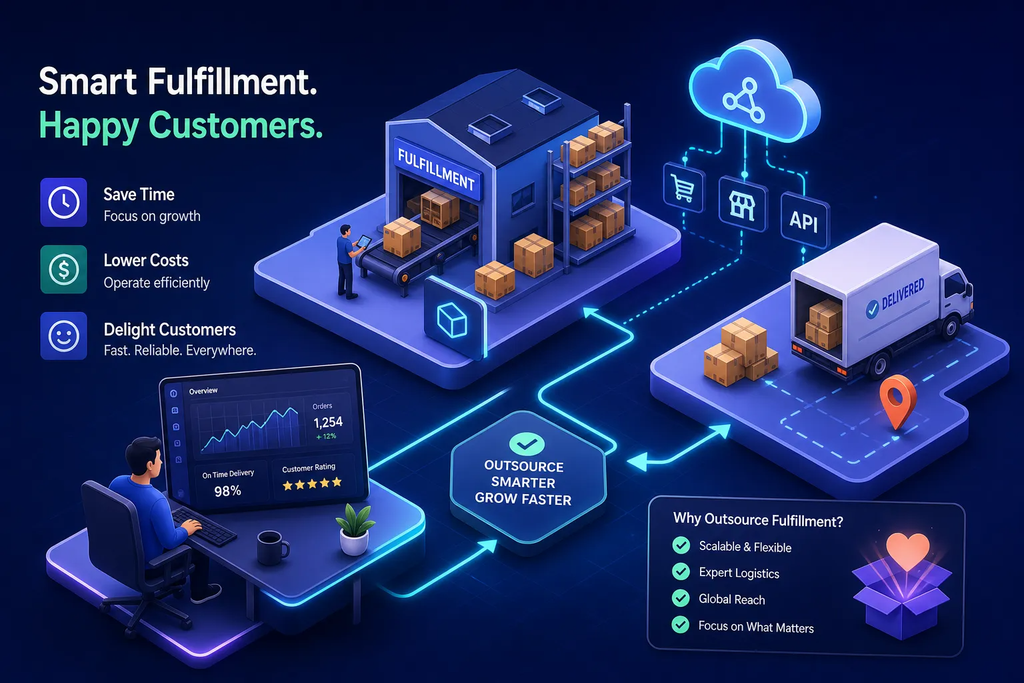
Fulfillment for small business quietly becomes the biggest operational drain on an e-commerce operation before most owners notice it. Processing 50 orders a week from your spare bedroom feels manageable, maybe even enjoyable. Doing 250 orders a week while also running ads, managing suppliers, negotiating with vendors, and handling customer service tickets is where the […]
Top Features to Look for in Order Fulfillment Companies for Small and Mid-Sized E-commerce Brands
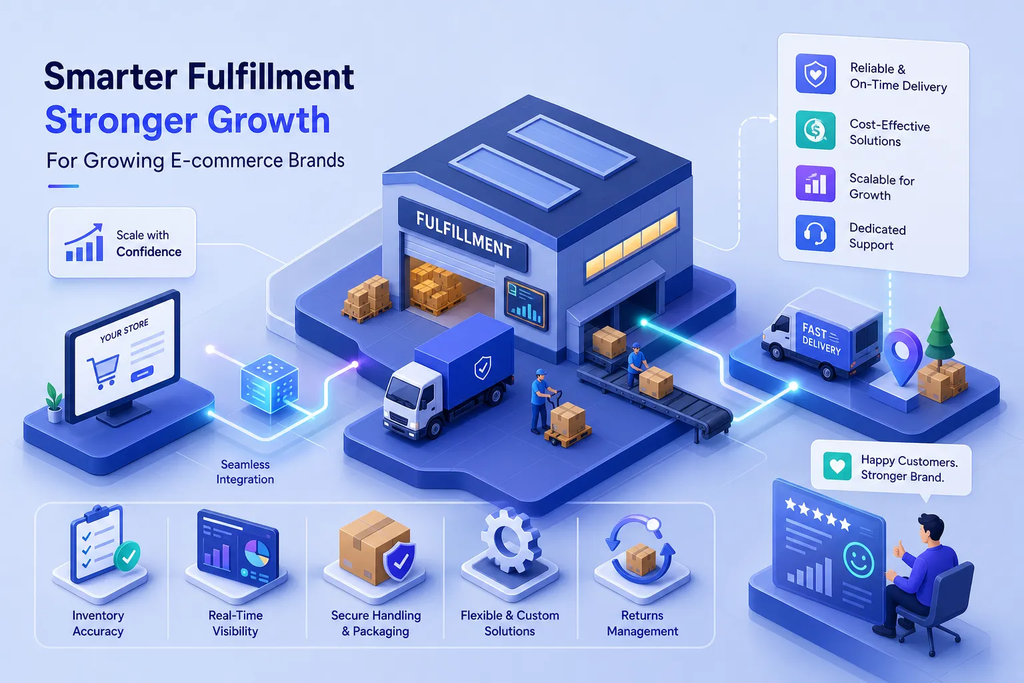
Choosing the right order fulfillment partner is a critical decision for small and mid-sized e-commerce brands, especially with the stakes so high. A bad 3PL can lead to slow delivery times, unexpected fees, and inadequate support during peak seasons. This article offers a practical framework to evaluate potential partners based on essential criteria like pricing transparency, warehouse coverage, and platform integrations. Discover how to avoid hidden costs and operational pitfalls, ensuring your fulfillment strategy aligns with your business needs. Whether you’re an Amazon FBM seller or a multi-channel brand, understanding these factors can make all the difference in your success.