
The Physical Amazon Bundle Policy Change: What January 11, 2027 Costs Sellers
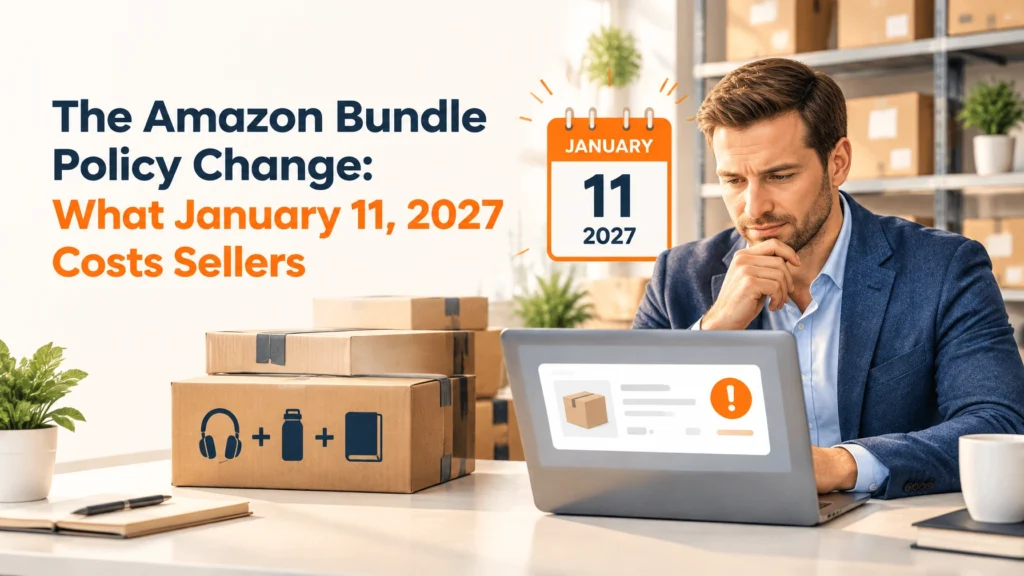
Amazon bans physical bundling assembled by the seller, a prep service, or a 3PL from January 11, 2027, eleven days after Q4 closes. It is not just about multi-brand kits: a two-pack, three-pack or five-pack of a single branded product is a bundle too, same brand and same UPC notwithstanding. Manufacturer-packaged bundles with their own GTIN are unaffected, which is why this lands entirely on independent sellers. Physical bundling exists to raise average order value so PPC falls as a percentage of revenue. This policy offers two outcomes: the bundle dies and the AOV lift goes with it, or it survives as a virtual bundle and every component pays its own fulfillment fee, multiplying the fulfillment cost of the same kit several times over. Multi-brand kits need either manufacturer packaging or a letter of authorization from every brand, filed only after a listing is flagged. This article prices both routes, reports the documented appeal failures, and covers the separate FTC antitrust case set for trial March 29, 2027, without treating allegations as findings.
Los Angeles vs Jacksonville: How Warehouse Location Changes Your Landed Cost and Your Postage
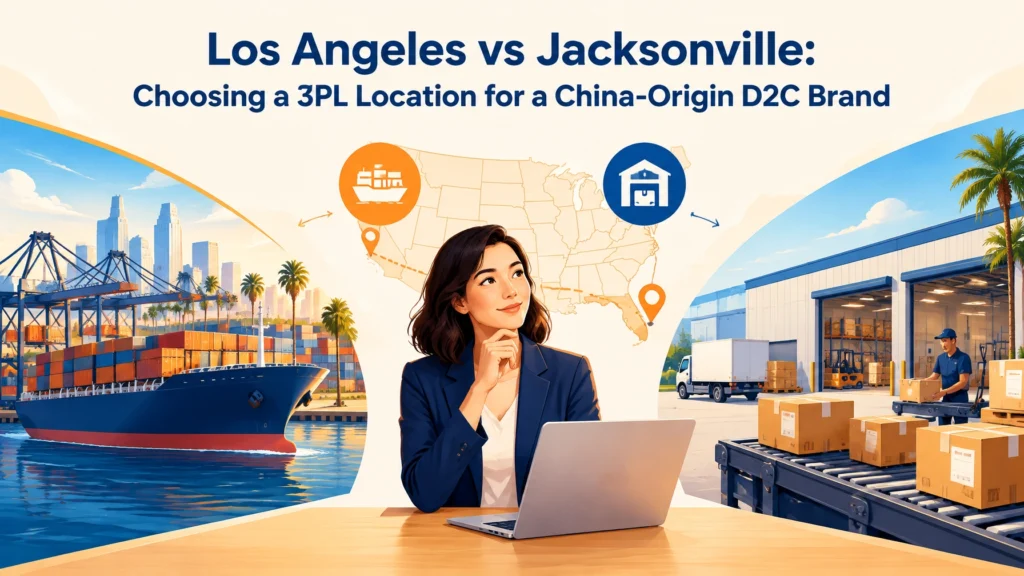
If you are comparing a warehouse location based on its rate card alone, you are missing the costs that shape your margin: getting inventory to the building, storing it, and delivering each order to your customer. Los Angeles has real advantages for China imports and West Coast demand. Jacksonville can offer a stronger cost position […]
Amazon FBA Virtual Bundles: The Seller’s Guide to Bundling Without Prep
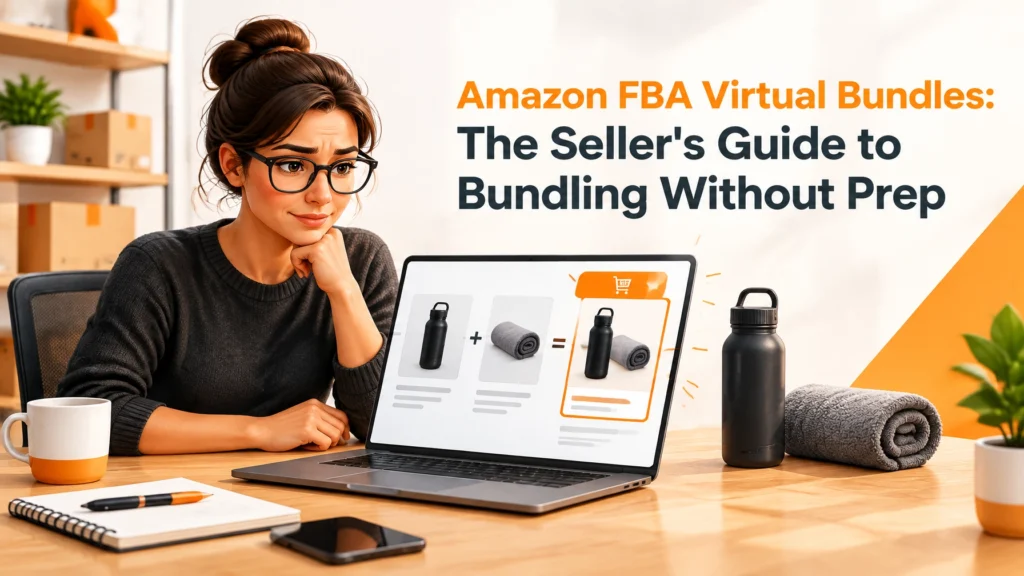
An amazon bundle built with FBA Virtual Bundles lets eligible sellers offer two to five products in one listing without physically kitting or sending new inventory to FBA. But Amazon fulfills each component individually, so fees can add up — and starting January 11, 2027, most physical bundles must be manufacturer-packaged, making virtual bundles the exempt path for custom kits. Learn who can create a bundle, how to set one up in Seller Central, what the policy change means for existing FBA kits, and how FBM virtual bundling at a 3PL differs from Amazon’s FBA tool.
Amazon Product Barcode Rules: FNSKUs vs GTINs — When You Need Each and When You Don’t
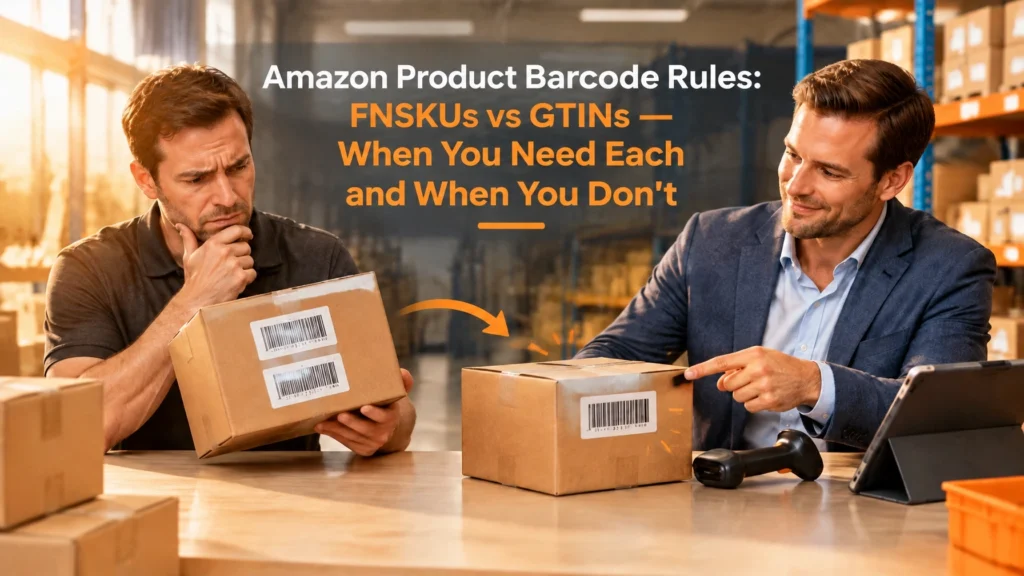
Amazon’s product barcode rules are evolving, and understanding the differences between FNSKUs and GTINs is crucial for sellers. Starting March 31, 2026, resellers must label each unit with an FNSKU, while eligible brand owners may use manufacturer barcodes under strict conditions. This change impacts compliance, costs, and inventory control. Are you aware of when to use an FNSKU versus a GTIN? Discover how to navigate these new requirements, avoid unnecessary labeling costs, and ensure your products meet Amazon’s standards. Dive into our comprehensive guide to stay ahead in the competitive world of FBA selling!
The Best 3PL for Small Business: The Policies That Turn a Fulfillment Partner Into a Launch Pad
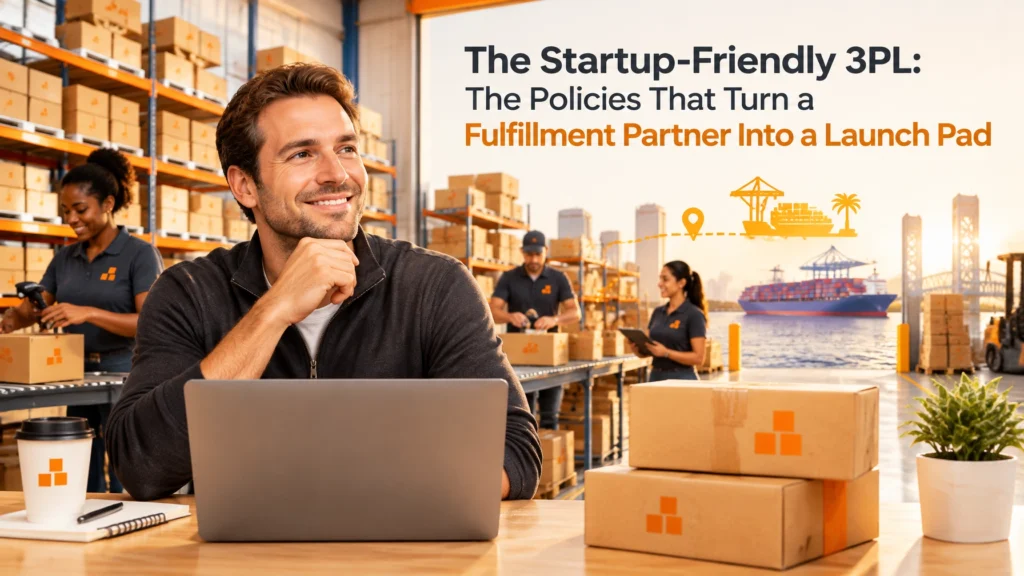
Most 3PLs are not designed for early-stage ecommerce sellers. Only an estimated 3% to 5% accept startups because new accounts require resources before they generate predictable volume. FBMFulfillment takes a different approach with minimums waived for 12 months, no onboarding fee, month-to-month terms, competitive shipping rates, optional coaching, strategic Jacksonville operations, world-class technology, and post-pay invoicing. We are startup-friendly but selective because we succeed only when you succeed. Bring a well-thought-out plan and reasonable expectations, and your fulfillment partner can become a launch pad for long-term growth.
Why Amazon Sellers Fail: Top 10 Reasons New Sellers Go Broke
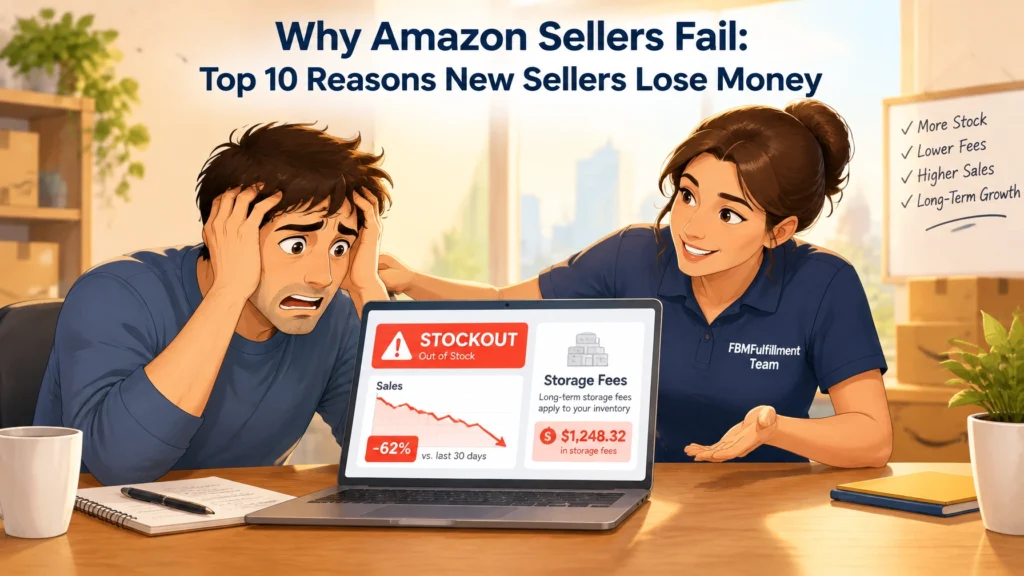
New Amazon sellers rarely lose money because of one isolated mistake. More often, weak product differentiation, thin margins, poor quality control, an unprepared launch, excessive FBA inventory, stockouts, cash flow gaps, and policy failures compound into a serious loss. This guide explains the ten operational reasons new sellers struggle and provides practical solutions for protecting landed cost, managing lead times, controlling MOQ exposure, maintaining inventory across channels, and preserving fulfillment flexibility. Learn how a disciplined 3PL strategy and FBMFulfillment’s FBA Replenishment Module can help you avoid preventable mistakes and build a more durable Amazon business.