
“Ghost Space” : Why That Cheap $15 Pallet Storage Rate is Costing You a Fortune
The “Ghost Space” tax is one of the most expensive tricks hidden inside many 3rd party fulfillment services. A low $15 pallet rate looks attractive on the surface, but the real damage shows up when you are billed for half empty pallets, maximum monthly counts, and unnecessary handling fees. This article breaks down how these storage models quietly drain your margins and why a cubic volume plus daily proration model is far more accurate. If you want 3rd party fulfillment services that protect your inventory control and your profit, you need pricing built around the space you actually use.
Stop Paying for “Ghost Space” fees : The invisible line item in your 3PL Storage Rates Invoice that’s funding your warehouse landlord’s vacation

The “Ghost Space” Tax is the hidden cost of traditional 3PL pallet-position billing, where ecommerce sellers pay for full pallet slots regardless of how much inventory they actually hold. This “rounded-up” billing model essentially forces sellers to pay for air, significantly draining margins. FBMFulfillment.com addresses this industry-wide problem by utilizing daily prorated cubic volume billing. By charging only for the physical space occupied and updating those charges daily, sellers can save thousands in unnecessary storage fees. This founder-to-founder guide explains the math behind the “Ghost Space” tax and why choosing an ecommerce fulfillment center in Florida with a usage-based billing model is critical for scaling a multichannel brand.
Stop Paying for Air: The Daily Proration vs. Monthly Storage Fee Snapshot Scam
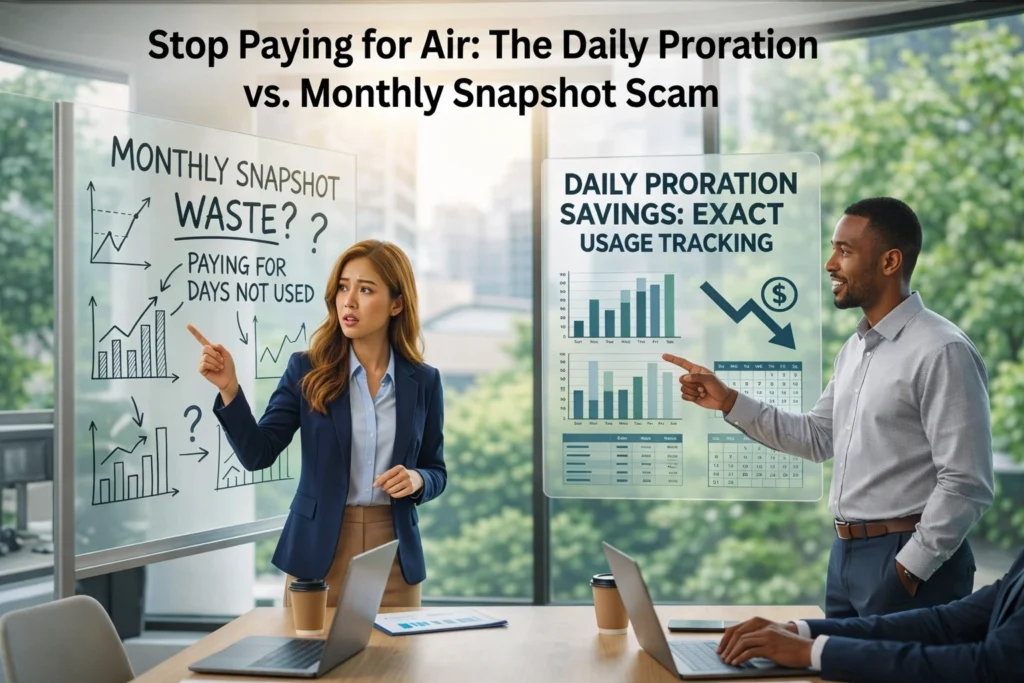
Many ecommerce sellers using pick and pack fulfillment services never realize how much storage billing impacts profitability until the invoice shows up. This article explains the monthly snapshot scam, where 3PLs charge based on a single inventory count instead of actual daily usage. That means you keep paying for space long after products have already shipped. We break down the math, the warning signs, and the questions you need to ask before signing with any provider. If you want pick and pack fulfillment services that protect your margins, daily proration and same day fulfillment are the standard you should demand.
The Real Cost of a Stockout: Direct, Hidden, and Amazon Penalty Costs Every Seller Underestimates
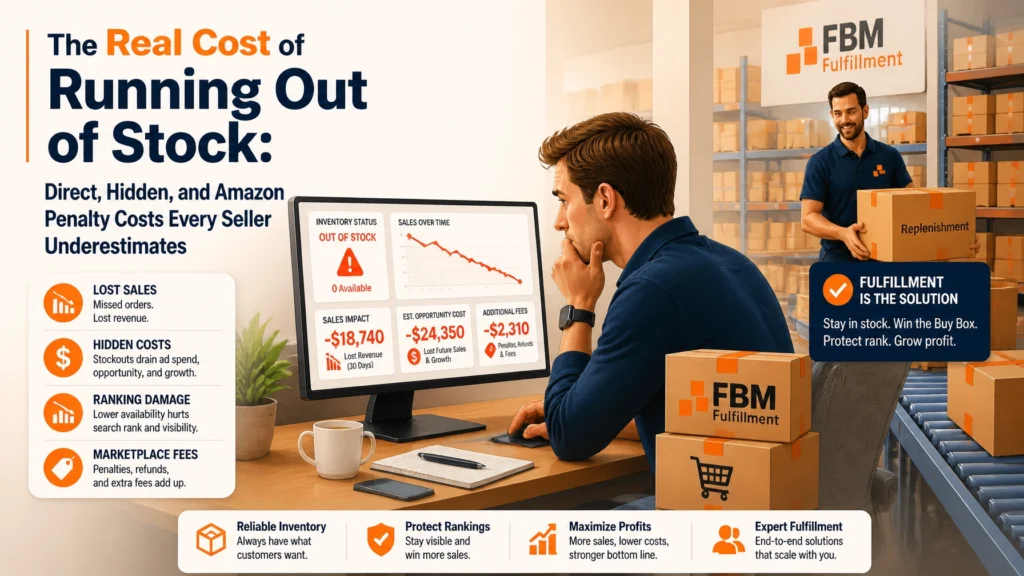
Running out of stock costs far more than the revenue from missed orders. Ranking decay can begin within 24 to 72 hours, recovery can take 2 to 8 weeks, and recovery advertising may cost 30% to 100% more than normal. Add Amazon’s Low Inventory Level fee, emergency freight, lost customers, and disrupted subscriptions, and the true cost can reach 2 to 5 times the direct lost sales value. This guide explains the direct costs, opportunity costs, Amazon penalties, BSR damage, and the role of domestic 3PL replenishment in preventing the next stockout.
The Ecommerce Returns Management Surge is Here: How to Stop Defective Items From Bleeding Your E-Commerce Profits
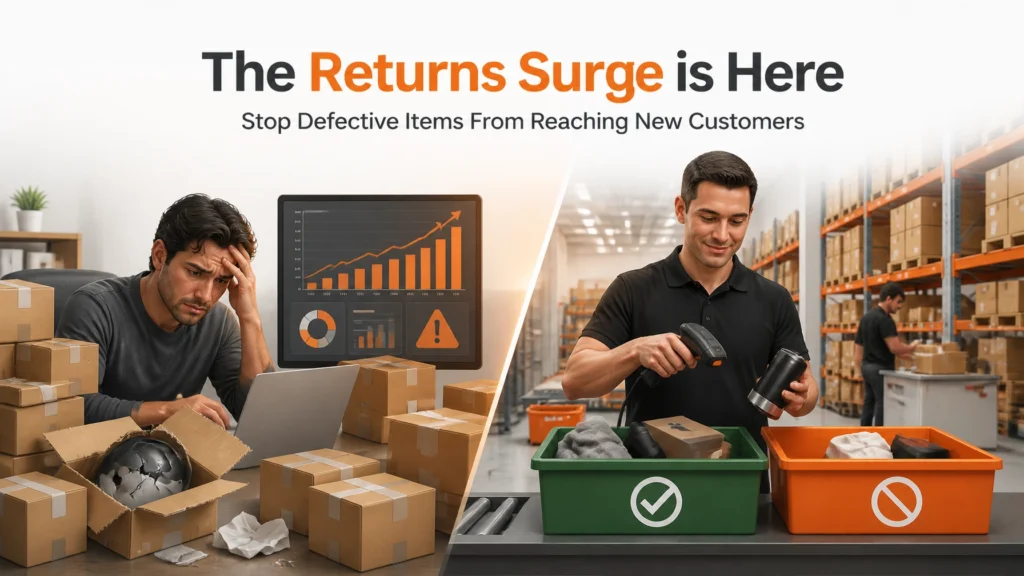
Ecommerce returns are running 18% to 24% above the same period last year, and Q4 will increase pressure on already stretched returns infrastructure. The most damaging problem is defective inventory recirculating to new customers, leading to repeat returns, chargebacks, negative reviews, and lost customer lifetime value. This guide explains how to build a controlled process that receives, inspects, restocks, quarantines, and disposes of returned units correctly. It also explains return policy economics and how FBMFulfillment supports multichannel sellers with Jacksonville fulfillment, same day shipping, FedEx 2Day, and dedicated returns control.
Why 3PL Onboarding Fees are a Red Flag: Don’t Get Trapped

Many 3PL providers use high onboarding fees (ranging from $1,000 to $5,000) as a strategic “switching cost” to lock e-commerce sellers into long-term contracts. These fees create “integration debt,” making it financially painful for brands to leave even when service quality is poor. This article explores why these upfront charges are a major red flag, signaling a lack of confidence in performance. We compare this to FBMFulfillment’s performance-based model, which avoids predatory fees and focuses on daily prorated storage and transparent pricing to help sellers scale without getting trapped.