You just opened your monthly fulfillment invoice. You see the usual suspects: pick and pack fees, receiving costs, and the dreaded line item for storage. You check your inventory levels. Sales were decent, but for some reason, your 3pl storage rates haven’t budged. In fact, they look a little bloated.
Unfortunately, you’ve likely fallen victim to the “Ghost Space” Fees.
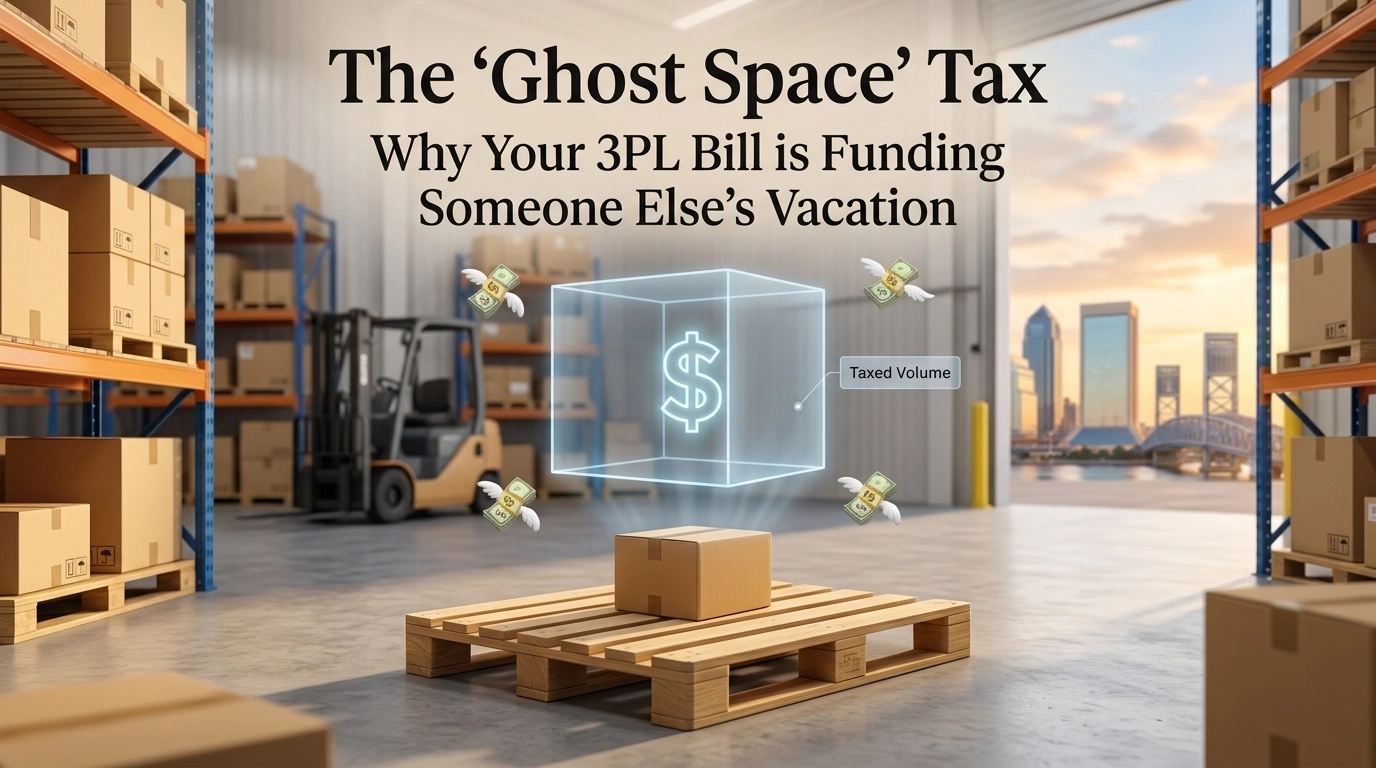
Most ecommerce sellers are unknowingly subsidizing their 3PL’s overhead by paying for air. If you’re being billed by “pallet positions,” you are paying for every cubic inch of that 48x40x72 slot, even if your actual product only takes up a fraction of it.
At FBMFulfillment.com, we’ve lived the seller life. We know the pain of watching margins evaporate into the “ghostly” void of a half-empty pallet. That’s why we built our warehouse to do things differently.
1. What Exactly is the “Ghost Space” Fees?
Think of it like this: Imagine you’re at a hotel. You only need one bed, but the hotel forces you to rent the entire floor. And they charge you the “Floor Rate” every single night, regardless of whether you brought a suitcase or a fleet of luggage.
In the world of logistics, this is called pallet position billing.
Many fulfillment centers operate on a “rounded up” model. If your SKU occupies 1.1 pallets, they bill you for 2. If you sell half a pallet on the 2nd day of the month, they still bill you for the full pallet for the remaining 28 days.
This is the “Ghost Space” Tax. It’s the invisible margin-killer that funds your 3PL landlord’s vacation while your bottom line takes a hit.
2. The Pallet Position Billing Trap
Most traditional warehouses love pallet position billing because it’s easy for them. It makes their revenue predictable and their software simple. But for a growing ecommerce brand with fluctuating inventory, it’s a catastrophic risk to your profitability.
Here is why this model is precarious for you:
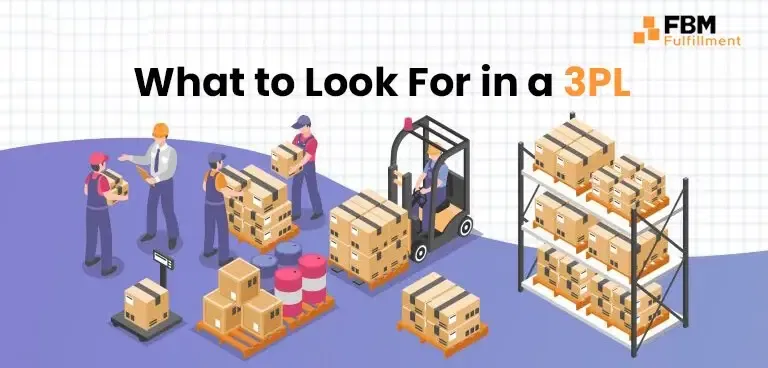
- The Inbound Inefficiency: You send in a shipment. The warehouse breaks it down. Suddenly, 10 pallets of inventory become 12 pallet positions because of how they rack them. You pay for 12.
- The “One Case” Penalty: You have 100 SKUs. Most sell out, but you have 5 SKUs with only 2 or 3 units left. Those 3 units are sitting on a pallet. You are paying a full monthly rate for that pallet just to hold three boxes.
- No Pro-Rating: Many providers bill based on a “snapshot” taken on the 1st of the month. If you sell 90% of your stock on the 3rd, you’re still paying to store “ghost” inventory for the next 27 days.
Given the significant risks to your cash flow, you have to ask: Is my 3PL a partner or a landlord?
3. Why Your Current 3PL Storage Rates Are Rigged
Let’s talk numbers. The average 3pl storage rates for a pallet position in 2026 range from $15 to $25 per month. It sounds reasonable until you realize that your inventory is constantly shrinking.
If you have 100 pallets on the 1st of the month, and by the 15th you have 50 pallets, a traditional 3PL is still pocketing the storage fees for those 50 empty spots. They aren’t doing any work for that money. They are simply charging you for the potential space you occupied.
This is where FBMFulfillment changes the game. We were built by sellers who were tired of getting “nickeled and dimed” by warehouse providers who didn’t understand the velocity of ecommerce.
4. The FBMFulfillment Solution: Daily Prorated Cubic Billing
We don’t believe in charging you for air. We believe you should only pay for the physical atoms your products occupy.
Instead of rigid pallet positions, we utilize daily prorated cubic volume billing.
- Cubic, Not Pallet: We measure your inventory by the cubic foot. If your product takes up 10 cubic feet, you pay for 10 cubic feet. Not a 60-cubic-foot pallet slot.
- Daily Pro-rating: We don’t take a “snapshot” on the 1st and call it a day. We track your volume daily. If you sell half your stock today, your storage fee drops tomorrow.
- Inventory Possession Control: Because we aren’t incentivized to keep your “Ghost Space” occupied, we focus on moving your inventory out. Your stock is never stuck in a “system” designed to maximize storage revenue.
Voilà you are covered AUTOMATICALLY. You only pay for what you use. No “Ghost Space” tax. No landlord vacations funded by your hard work.
5. Why Location Matters: The Florida Advantage
When searching for an ecommerce fulfillment center florida, you aren’t just looking for a building. You’re looking for a strategic hub.
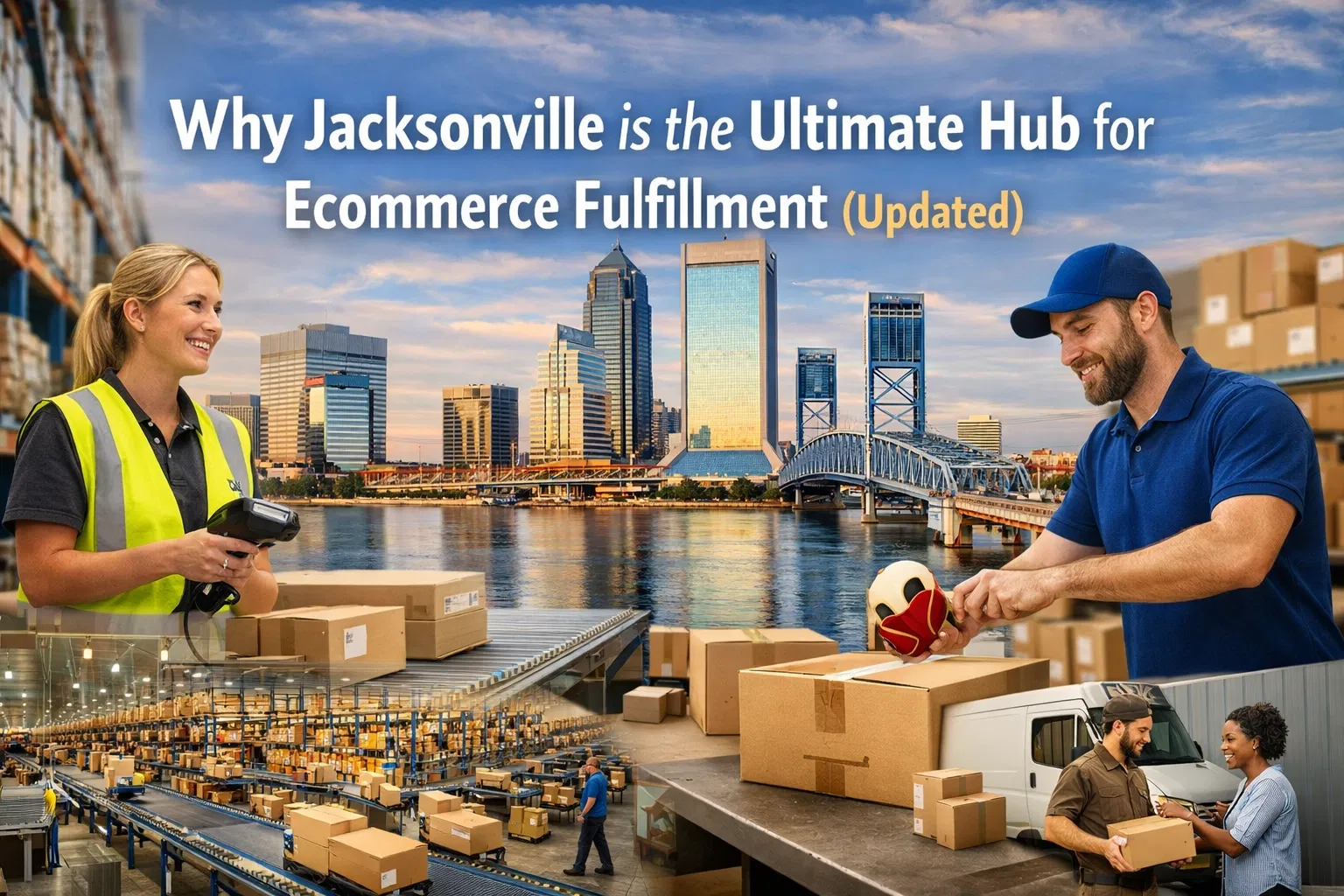
Our facility in Jacksonville isn’t just about the billing model: it’s about the speed. Jacksonville is a logistics powerhouse. By positioning your inventory here, you’re leveraging:
- Actual 2-Day Delivery: We use FedEx 2Day service to ensure your customers get their orders faster than FBA’s increasingly “inconsistent” Prime delivery.
- Multichannel Synergy: Whether it’s Shopify, TikTok Shop, Walmart, or eBay, we fulfill from a single inventory pool. No more splitting stock into “Amazon piles” and “Everything Else piles.”
- Returns Management: Florida is a major hub for East Coast returns. We provide total control over return services, ensuring defective items don’t end up back in your “good” inventory.
6. How to Audit Your Current 3PL Bill
If you want to see if you’re paying the Ghost Space tax, perform a quick audit of your last three months of 3pl storage rates:
- Step 1: Compare your “Total Storage Fee” to your “Average Units on Hand.”
- Step 2: Check if your storage bill stays the same every month despite fluctuating sales.
- Step 3: Ask your 3PL for a “Cubic Volume Report.” If they can’t (or won’t) provide it, they are likely hiding the ghost.
Be cautious of providers who hide behind “simple” pallet pricing. Simple for them usually means expensive for you.
The Bottom Line
The ecommerce boom has fueled a rise in 3PLs that act more like real estate moguls than fulfillment partners. They want your inventory to sit still because “Ghost Space” is high-margin profit for them.
At FBMFulfillment, our goal is to get your inventory out the door. We win when you scale. By eliminating the Ghost Space fees and offering competitive 3pl storage rates based on actual usage, we keep your margins where they belong: in your bank account.
Stop paying for air. It’s time to move to a partner that understands the seller’s perspective. Contact us at FBMFulfillment.com and we will be glad to help you audit your current spend and show you the Jacksonville advantage.
“Ghost Space” : Why That Cheap $15 Pallet Rate is Costing You a Fortune
Key Takeaways
- Many ecommerce sellers unknowingly pay ‘Ghost Space’ fees due to inefficient pallet position billing.
- Traditional 3PL storage rates often charge for empty space and lack pro-rating, hurting profitability.
- FBMFulfillment offers daily prorated cubic billing, charging only for the actual space your products occupy.
- Choosing a Florida-based ecommerce fulfillment center like FBMFulfillment ensures faster delivery and better returns management.
- Perform an audit of your 3PL bills to identify ‘Ghost Space’ charges and seek better solutions.
Related Links
Frequently Asked Questions
It’s the gap between the storage space you’re actually using and what you’re billed for. Most 3PLs bill by whole pallet positions, so if your SKU occupies 1.1 pallets, you’re charged for 2 — and once inventory sells down partway through the month, you keep paying the full rate for space that’s now empty.
A few ways: inbound inefficiency can turn 10 physical pallets into 12 billed positions depending on how they’re racked; a handful of SKUs with only 2-3 units left still get billed for a full pallet (the ‘one case penalty’); and most 3PLs snapshot inventory on the 1st of the month, so if your stock sells out on day 3, you’re still paying for 27+ days of inventory that’s no longer there.
Average 3PL storage rates run around $15 to $25 per pallet position per month in 2026. Multiply that by inventory that sold out mid-month but is still being billed at a full monthly rate, and the overcharge adds up fast across dozens or hundreds of SKUs.
It bills by actual cubic feet occupied rather than whole pallet positions, and prorates that volume daily — so fees adjust automatically as inventory sells down instead of staying fixed at a monthly snapshot. That also removes the incentive some 3PLs have to let your inventory sit rather than move.
Compare your total monthly storage fee against your average units on hand (not your starting count), check whether your storage fee stays exactly the same even when your sales fluctuate, and ask your provider directly for a cubic volume report to see what you’re actually occupying versus what you’re being billed for.
Calculate your cu ft based on your inventory counts at the beginning and end of a month.
Because pallet-position, snapshot-billed storage effectively pays the 3PL for space regardless of whether your inventory is actually there — the 3PL profits from stagnant, unsold inventory rather than being incentivized to help it move. The article frames a cubic, daily-prorated model as the fix that aligns the 3PL’s incentives with the seller’s.
Yes — the article points to Jacksonville, FL as a location advantage, enabling genuine 2-day delivery via FedEx 2Day, multichannel fulfillment from a single inventory pool, and a natural returns hub for East Coast
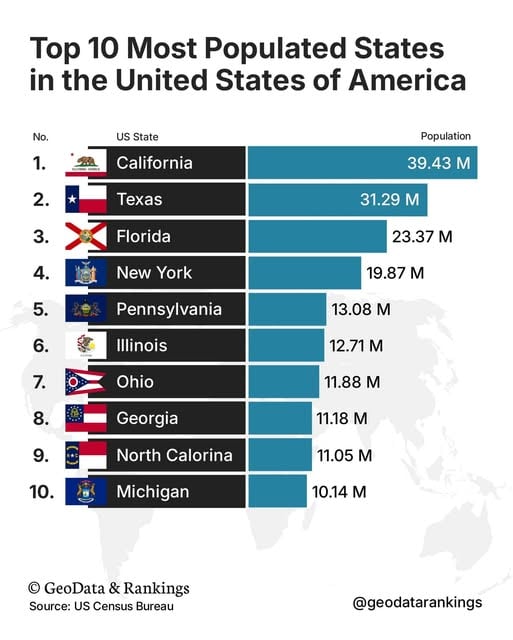
operations. Do you want to be close to 39.43M customers (California) or 144.57M customers (9 of 10 top states)