
Stop Paying for Air: The Daily Proration vs. Monthly Storage Fee Snapshot Scam
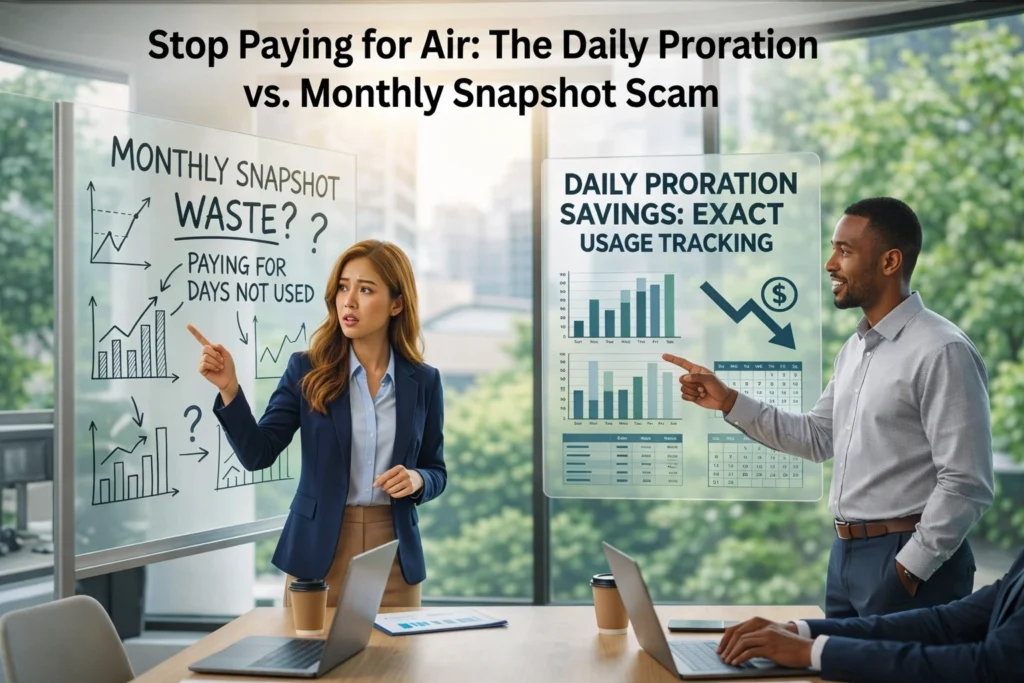
Many ecommerce sellers using pick and pack fulfillment services never realize how much storage billing impacts profitability until the invoice shows up. This article explains the monthly snapshot scam, where 3PLs charge based on a single inventory count instead of actual daily usage. That means you keep paying for space long after products have already shipped. We break down the math, the warning signs, and the questions you need to ask before signing with any provider. If you want pick and pack fulfillment services that protect your margins, daily proration and same day fulfillment are the standard you should demand.
The Real Cost of a Stockout: Direct, Hidden, and Amazon Penalty Costs Every Seller Underestimates
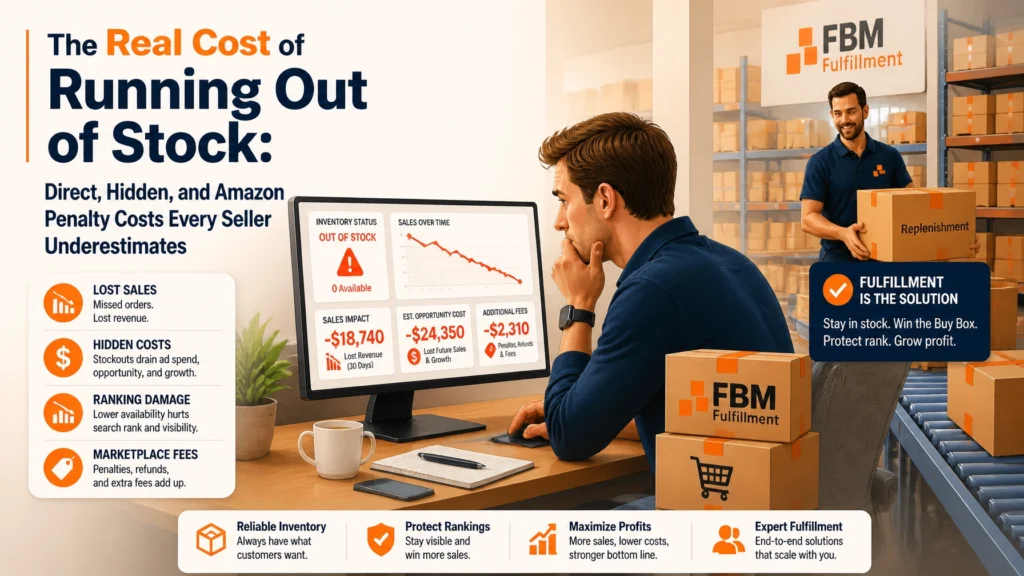
Running out of stock costs far more than the revenue from missed orders. Ranking decay can begin within 24 to 72 hours, recovery can take 2 to 8 weeks, and recovery advertising may cost 30% to 100% more than normal. Add Amazon’s Low Inventory Level fee, emergency freight, lost customers, and disrupted subscriptions, and the true cost can reach 2 to 5 times the direct lost sales value. This guide explains the direct costs, opportunity costs, Amazon penalties, BSR damage, and the role of domestic 3PL replenishment in preventing the next stockout.
The B2B Fulfillment Framework: How to Scale Wholesale Operations Without Doubling Your Costs
Scaling wholesale operations often leads to skyrocketing costs and logistical headaches due to the divide between DTC and B2B requirements. This article outlines the “B2B Fulfillment Framework,” emphasizing the importance of a single inventory pool to maximize capital efficiency and avoid stockouts. We dive into the necessity of specialized infrastructure for bulk storage, the role of EDI/API integrations for retail compliance, and the strategic advantages of a fulfillment center in florida. By leveraging seller-centric b2b order fulfillment services, brands can automate wholesale growth while maintaining the precision needed to avoid costly retail chargebacks.
Stockout vs. Overstock: How to Calculate the True Cost of Getting Inventory Wrong in 2026
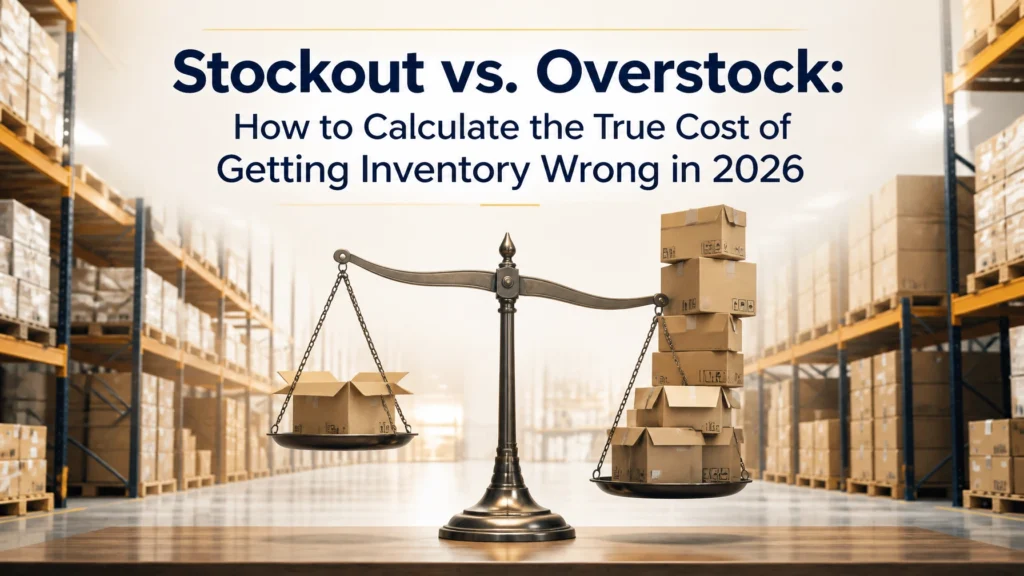
Inventory management in 2026 is a high-stakes game where “stockout vs. overstock” can determine your brand’s survival. This article explains why the safety stock formula is a key tool for calculating safer reorder points and protecting margin, while also breaking down the two critical types of replenishment time: Factory → 3PL and 3PL → FBA. We also show why FBA dripfeed through FBMFulfillment is so effective, how our exclusive FBA Replenishment Module automates replenishment, eliminates placement fees, reduces replenishment time, and why these 2 inventory flows require separate calculations because they are not the same math problem.
Amazon, TikTok, and Shopify walk into a warehouse: Why They All Need the Same SKU

SKU consistency is the glue of multi-channel e-commerce. Inconsistent naming across Amazon, TikTok, and Shopify leads to “false backorders,” overselling nightmares, and unnecessary manual mapping fees. This post explains why the Amazon SKU is “set in stone” and how to use the “-FBM” suffix solution to manage hybrid fulfillment successfully. By standardizing your SKUs, you ensure that every sale—whether from a viral TikTok trend or a Shopify subscription—deducts from the same physical inventory pool. Stop fighting your WMS and start syncing your empire like a Swiss watch.
SKU Secrets: What is a SKU and Why is it the DNA of Your Business?
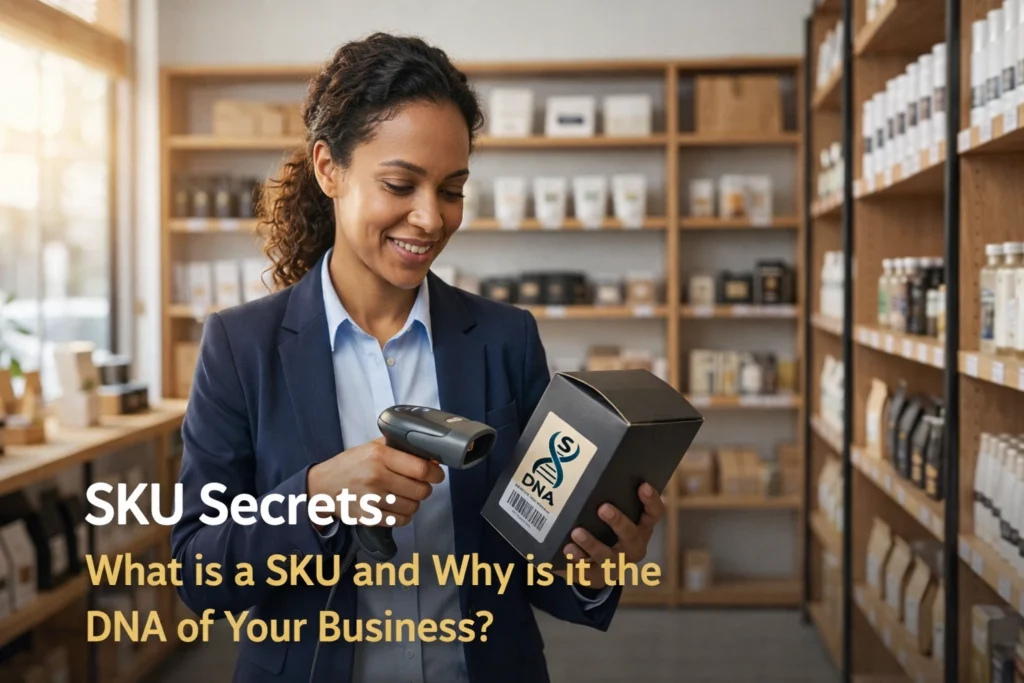
In the fast-paced world of 2026 e-commerce, the sku meaning is the difference between a scalable empire and a logistical nightmare. A Stock Keeping Unit (SKU) is the unique DNA of your business, enabling everything from sales tracking to multi-channel synchronization across Amazon, TikTok, and Shopify. This guide breaks down the stock keeping unit meaning, explores how to define sku logic for maximum profitability, and reveals why a consistent sku number is essential for navigating rising FBA fees and strict platform SLAs. Stop guessing and start mastering your inventory with professional 3PL insights.