
Is Amazon Killing AWD? The 18x14x8 Rule May Be Just the Beginning
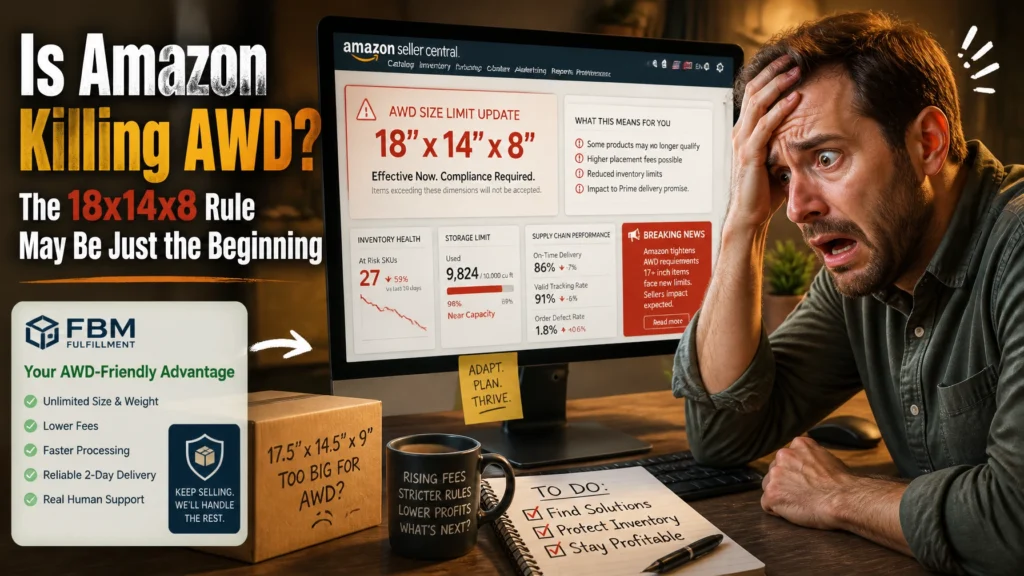
Amazon’s latest AWD restrictions are more than a storage policy update. They may signal a broader move toward a narrower, automated inventory network that leaves sellers responsible for larger-format and heavier products. This article explains the strategic and financial risks of relying on one platform, including stockout exposure, emergency freight, trapped inventory, and reduced multi-channel flexibility. It also shows how FBMFulfillment’s FBA Replenishment Module creates an independent domestic reserve, supports predictable 7 to 10 day FBA replenishment, eliminates placement fees, and keeps one inventory pool serving every major sales channel.
Hostage Inventory: Why Amazon Makes it Hard to Leave (and How to Take Control)
Why does moving your own inventory feel like negotiating a hostage release? This post pulls back the curtain on Amazon’s FBA “prison,” where removal orders fall into black holes and account suspensions lock your stock behind closed doors. We introduce the philosophy of Inventory Possession Control (IPC), where your stock is always live and always yours. Discover how a “Single Inventory Pool” at a dedicated 3PL eliminates platform-lock and allows you to pivot instantly between TikTok, Shopify, and Walmart. Stop being a hostage to “processing” windows and reclaim your agility with a strategic FBA dripfeed model.
FBMFulfillment’s Technology Edge: Master the Pallet-to-Each Inventory Chain
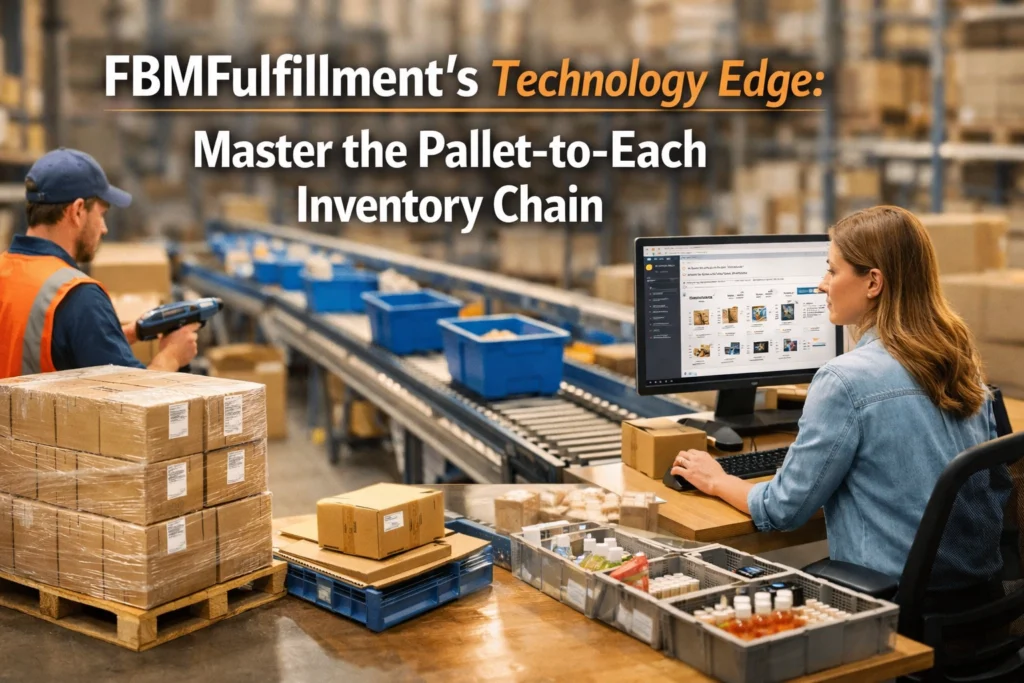
Most 3PLs struggle with complex Unit of Measure (UOM) logic, but at FBMFulfillment, we’ve mastered the relational SKU system. By linking Pallet, Case, and Each SKUs, our technology calculates your “Maximum Potential Inventory” in real-time. This eliminates “trapped” inventory and protects your margins by charging for a single pallet pick instead of hundreds of individual “each” fees. Whether you’re drip-feeding Amazon FBA or shipping wholesale orders, our advanced tech ensures inventory accuracy and logical tracking of broken cases, giving you the operational excellence required to dominate multi-channel e-commerce.
Death by a Thousand Fees: A Checklist to Audit Your Current 3PL’s Monthly Statement
Stop paying for air. Your 3PL is likely overcharging you through “Ghost Space” and predatory billing. Use this checklist to audit your invoice and regain your margins today.
BREAKING: Amazon Cut Off AWD for Any Unit Above 18 x 14 x 8 Inches or 20 lbs
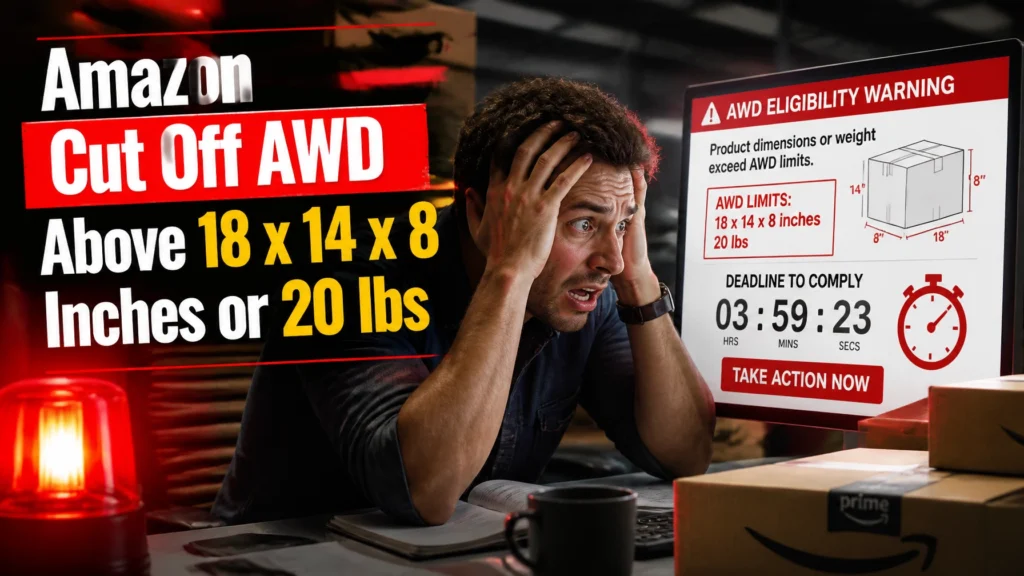
The new Amazon AWD size limits are now live: any unit above 18 inches long, 14 inches wide, 8 inches high, or 20 pounds is no longer eligible for AWD. These Amazon AWD product requirements apply to AWD only, not FBA. Existing Amazon AWD oversize inventory already sitting in AWD is grandfathered and can keep auto replenishing into FBA until depleted, but it still accrues storage fees and new shipments are blocked at creation. FBMFulfillment can replace that lost buffer with domestic storage, prep, and our exclusive FBA Replenishment Module feeding FBA and every other channel from one pool.
700 SKUs and No Sleep: How a founder’s underwear brand forced us to reinvent the pick-and-pack system
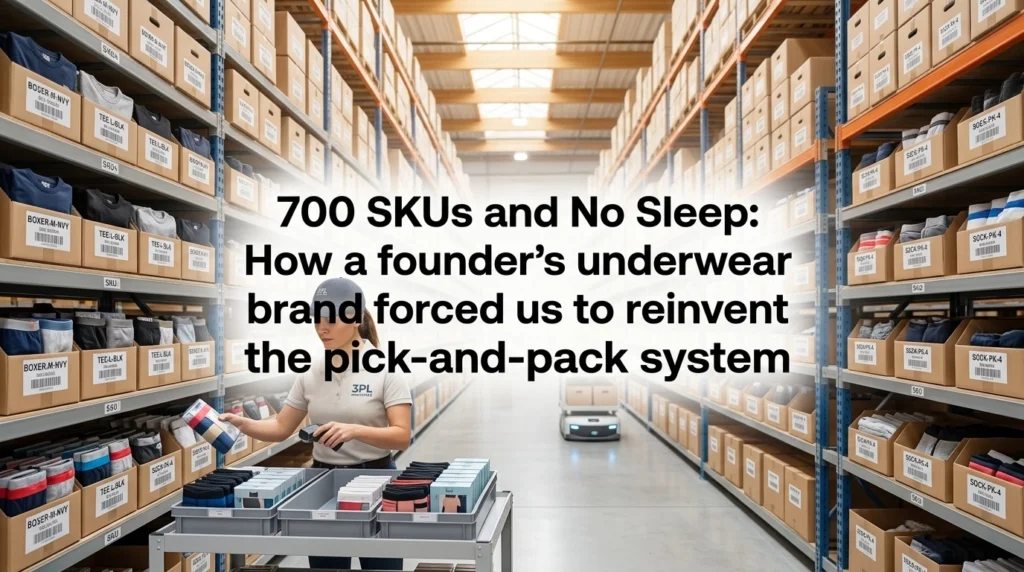
Managing a high-SKU brand like UFM Underwear taught us that traditional 3PLs aren’t built for complexity. This article explores how FBMFulfillment.com reinvented apparel fulfillment services to handle 700+ SKUs with precision. We break down the “Logical Pallet Trap”: a common 3PL billing scam: and explain why inventory possession control and actual 2-day delivery are non-negotiable for modern sellers. If you are tired of mis-picks and hidden fees, learn how a seller-centric warehouse can transform your pick and pack fulfillment services from a headache into a competitive advantage.