
AI Is Changing How Sellers Shop for a 3PL: The Good, the Bad, and How to Get the Relationship Right

Choosing a 3PL is not like buying a commodity. It is closer to choosing a long-term business partner. This article explains how AI can help you prepare, where AI-assisted outreach creates turnoffs, and what attracts strong fulfillment partners instead. You will learn why endless questions, ignored answers, premature rate-card demands, and AI-generated contract arguments can damage the relationship early. You will also see why smart follow-ups, humility, operational clarity, and a real video conversation create better matches, stronger trust, and more sustainable ecommerce growth.
Best 3PL Fulfillment Companies for Small Businesses in the US
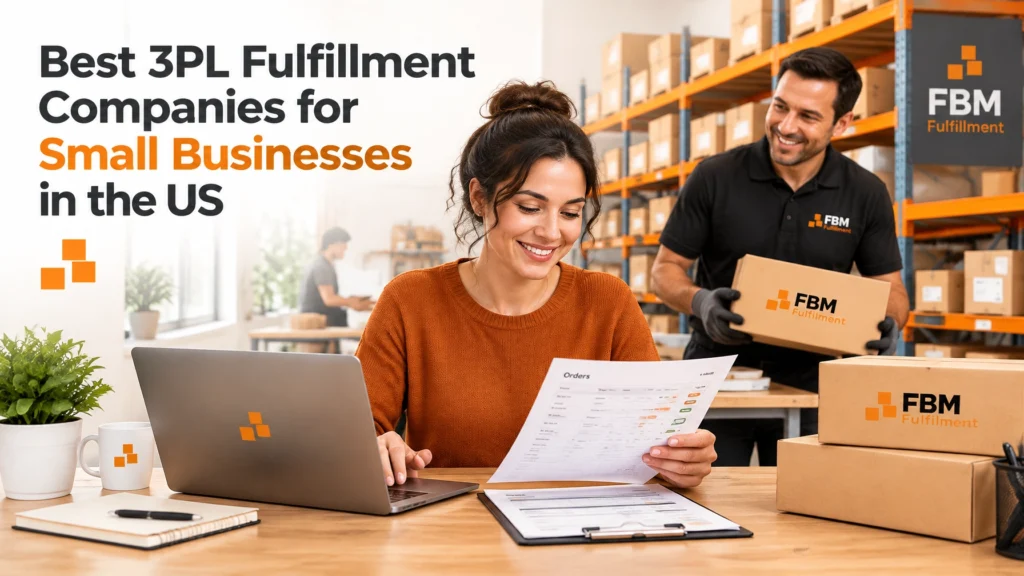
Choosing a fulfillment partner is a long-term business decision, not a search for the lowest warehouse rate. This guide explains how small ecommerce sellers can compare 3PLs by pricing, minimums, integrations, location, same-day processing, delivery speed, returns, and contract flexibility. Learn why most 3PLs reject small accounts, which startup-friendly policies matter, how to audit a sample invoice, and how to build a productive relationship with a fulfillment provider. FBMFulfillment offers waived minimums for 12 months, no onboarding fee, month-to-month terms, enterprise-level rates, Jacksonville operations, multichannel technology, FBA replenishment support, and post-pay invoicing.
Warehouse Automation That Protects Seller Margins
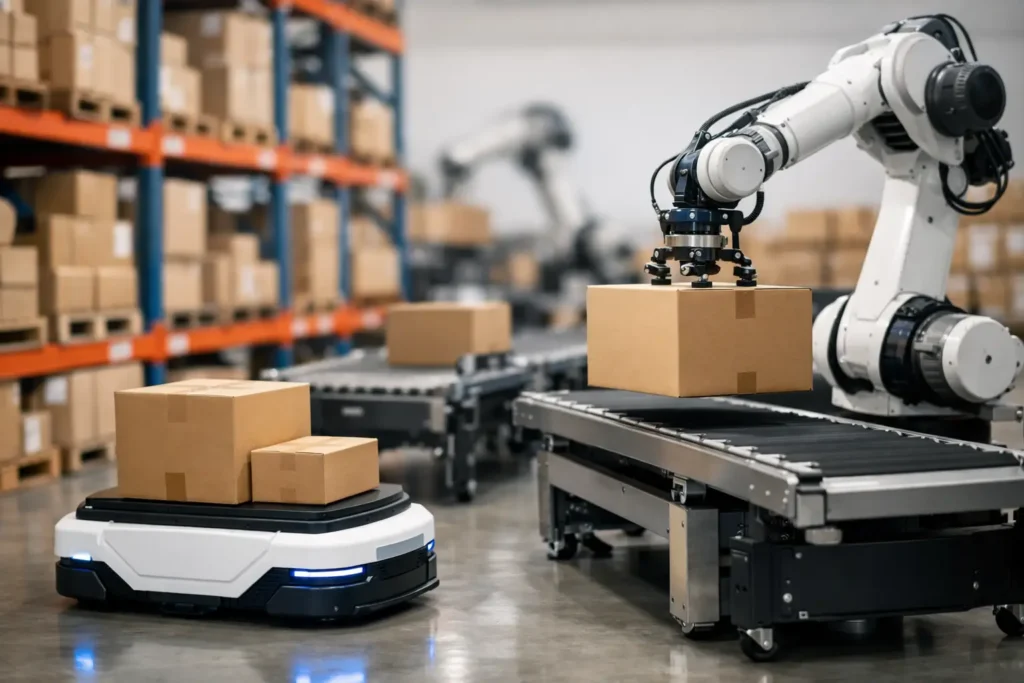
Warehouse automation can cut fulfillment errors and costs, but only when the systems fit SKUs, order volume, channels, and growth plan as volumes rise.
Top Fulfillment KPIs That Protect Your Margin

Track the top fulfillment KPIs that expose costly warehouse errors, protect delivery performance, and keep ecommerce growth profitable across channels.
FBA Dripfeed: The 2026 Strategy for High IPI and Low Fees
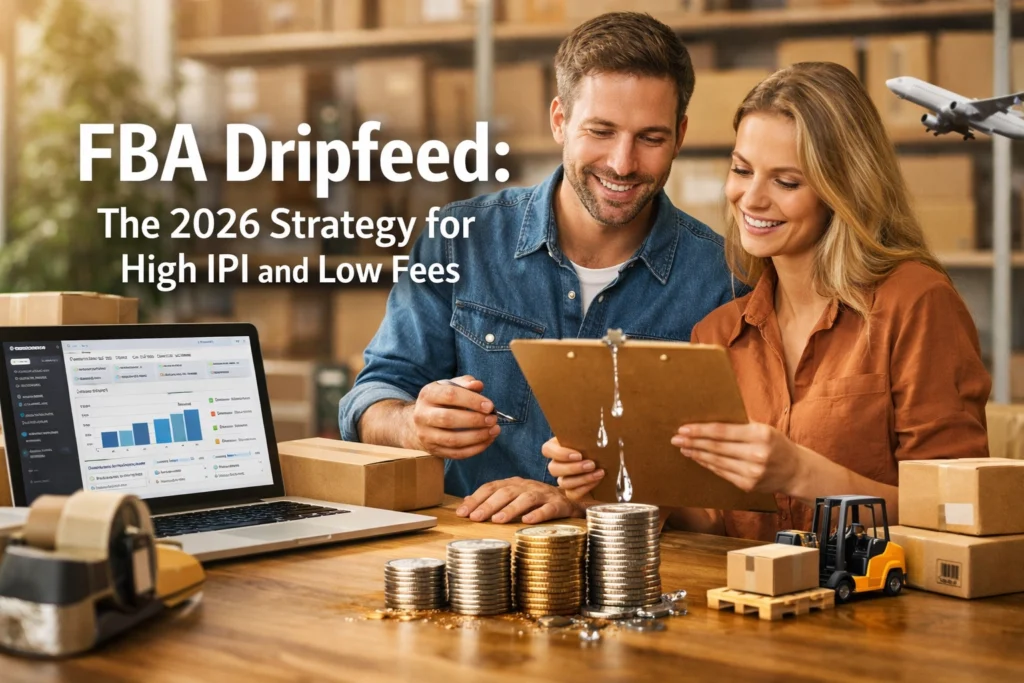
Amazon wants to be a fulfillment center, not a storage warehouse. If you’re still sending bulk shipments straight to Jeff, you’re likely tanking your IPI and overpaying for storage. Enter the FBA Dripfeed: storing your bulk stock at a 3PL and shipping small, optimized batches into FBA as needed. This strategy keeps your sell-through rates phenomenal and bypasses aggressive placement fees. By combining dripfeeding with an FBM backup, you create a lean, profitable machine that keeps your margins fat while staying exactly within Amazon’s evolving rules for 2026.
Fulfillment Accuracy Improvement That Holds Up

Fulfillment accuracy improvement protects seller metrics, margins, and repeat sales. Learn how to find errors and build warehouse controls that last daily.