A warehouse can look busy and still be losing a seller money. Teams walk more than they pick. Orders get rechecked because the inventory count is unreliable. Amazon orders must ship before cutoff, but a high-volume Shopify promotion has already consumed the packing stations. Warehouse automation is not a cure for those problems by itself. Used correctly, it creates the control that protects delivery performance, inventory accuracy, and margin as order volume rises.
For ecommerce operators, the real question is not whether automation is modern. It is whether a specific investment removes a measurable constraint without creating a new one. The wrong system can lock a growing brand into expensive workflows, difficult integrations, and equipment built for an order profile it does not have. The right system helps a seller ship accurately across channels while keeping inventory flexible enough for FBA replenishment, FBM orders, wholesale commitments, and direct-to-consumer demand.
What Warehouse Automation Actually Means
Warehouse automation covers much more than robots moving around a facility. It includes software, scanning technology, material-handling equipment, and rules-based workflows that reduce manual decision-making. A barcode scan that confirms the correct SKU and shipping label is automation. So is a warehouse management system that directs a picker to the right bin, reserves inventory for a specific channel, or alerts a team before a replenishment deadline is missed.
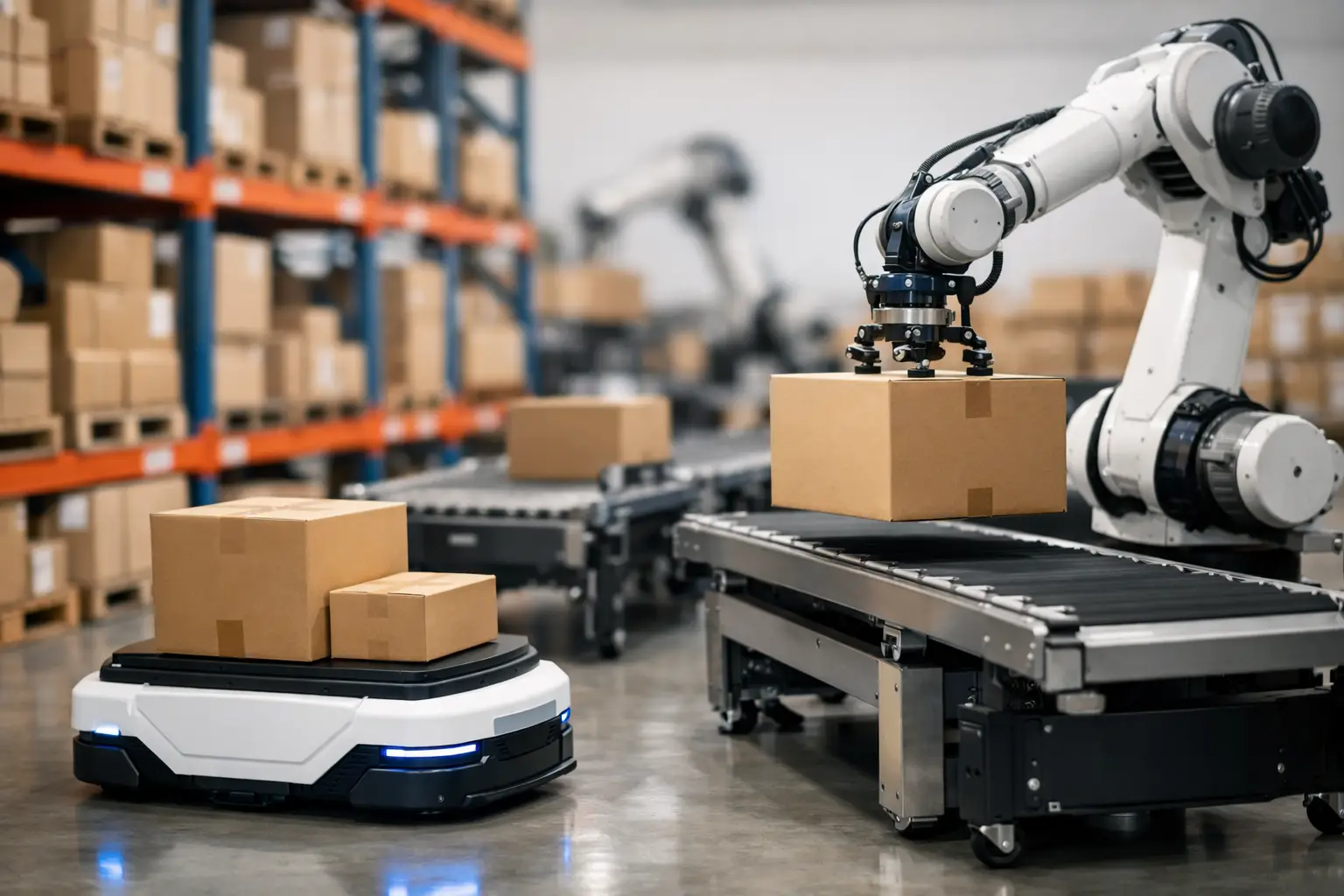
At a larger scale, automation can include conveyor systems, automated dimensioning and weighing, print-and-apply label equipment, put walls, pick-to-light systems, autonomous mobile robots, and automated storage and retrieval systems. These tools do different jobs. Treating them as one category leads to poor buying decisions.
A brand shipping 300 single-item orders a day may get more value from disciplined barcode workflows and better order routing than from robotics. A seller with thousands of compact, repeatable SKUs and predictable daily volume may have a strong case for automated picking or sortation. Order characteristics matter as much as order count.
Why Warehouse Automation Matters for Ecommerce Sellers
Marketplace fulfillment has little tolerance for warehouse mistakes. A late shipment can hurt account performance. A wrong item creates a refund, a support ticket, a return, and a customer who may not come back. An inventory mismatch can force a listing out of stock just as advertising begins to work.
Manual operations make these failures more likely because information gets separated from physical work. One spreadsheet says inventory is available. A picker sees an empty bin. A customer service team promises an order will ship, while the warehouse discovers that the sellable units were allocated to another channel. Automation connects those decisions to real-time inventory movement.
That connection is especially valuable for hybrid FBA and FBM sellers. Keeping all inventory inside Amazon can expose a brand to receiving delays, inventory limits, and storage costs. Holding inventory externally creates more control, but only if the warehouse can accurately receive products, protect channel allocations, and send replenishment before Amazon stock runs low. Automated receiving, location tracking, and replenishment rules turn that strategy from a daily scramble into a controlled operating process.
Automation also protects labor capacity. Labor is not just a cost per hour. During peak season, it is a constraint. If each order requires unnecessary walking, searching, handwriting, and verification, adding people does not solve the underlying process. It can make errors worse. A well-designed workflow lets the same team handle more orders with fewer exceptions.
Start With the Bottleneck, Not the Equipment
The most expensive automation mistake is buying a visible solution for an invisible problem. Robots and conveyor systems are easy to demonstrate. A weak receiving process or inaccurate product master data is less exciting, but those are often the actual causes of fulfillment failure.
Before changing a warehouse workflow, measure where time and errors occur. Look at receiving turnaround, putaway accuracy, pick time per order, packing time, shipping cutoff misses, adjustment frequency, mis-picks, return reasons, and units touched per order. Separate normal work from exception work. A team may appear slow because it spends too much time resolving damaged labels, duplicate listings, missing barcodes, or orders that arrive without usable shipping rules.
A practical review should also examine your order profile. Ask whether orders are mostly single-SKU or multi-line, whether products are small and uniform or oversized and fragile, how much daily volume changes, and which channels create the hardest service commitments. The answer determines the right level of automation.
For example, batch picking can dramatically improve productivity for small, similar orders. It is less useful when every order contains different oversized products. Automated cartonization can reduce shipping costs for predictable product dimensions, but it will produce poor recommendations if item dimensions are wrong or packaging varies. Automation amplifies process quality. It does not replace it.
The Foundation: Inventory and Barcode Discipline
Most sellers should begin with the automation that prevents costly basic mistakes. Every sellable unit needs a scannable identity. Every storage location needs a clear label. Every inventory movement, from receiving to putaway to picking to returns, should be captured in the operating system.
This creates a reliable inventory ledger. It tells the team what is physically available, what is reserved, what is damaged, what is in transit, and what can be sold on each channel. Without that foundation, multichannel fulfillment becomes risky. Overselling on one marketplace while inventory is committed elsewhere is not a technology problem. It is a control problem.
Receiving deserves special attention. Inventory that enters the warehouse incorrectly will remain incorrect until a cycle count finds it, often after an order cannot ship. Scanning against purchase orders, documenting shortages and damage, and assigning locations immediately can prevent downstream chaos. For brands sending inventory to Amazon, this discipline also makes FBA prep and drip-feed replenishment more dependable.
Returns belong in the same system. A returned item should not simply be placed back into available stock. It must be inspected, classified, and recorded as sellable, damaged, incomplete, or held for review. Fast, consistent return processing protects inventory accuracy and prevents a customer from receiving an item that should have been removed from circulation.
When Physical Automation Makes Financial Sense
Physical automation makes sense when a proven process is limited by repeatable manual work. The financial case should include more than labor savings. Consider avoided shipping errors, higher cutoff compliance, reduced overtime, more usable storage capacity, lower carrier charges from better packaging decisions, and the revenue protected by staying in stock.
The trade-off is flexibility. Fixed conveyor systems can be efficient, but they require stable layouts and steady flows. Automated storage systems can increase density, but they may be less practical for rapidly changing assortments, bulky products, or unpredictable seasonal demand. Autonomous mobile robots can offer more flexibility than fixed equipment, but they still require clean location data, safe aisles, and disciplined replenishment.
A useful test is whether the operation has enough repeatability to keep the equipment productive. If volume swings sharply, product dimensions change often, or the brand regularly adds new categories, a flexible software-led process may produce better returns than capital-intensive machinery. Leasing, pilot programs, and phased deployment can reduce the risk of making a large commitment too early.
Automation Must Work Across Every Sales Channel
Ecommerce brands rarely operate on one channel forever. A warehouse workflow that works for Shopify may fail when Walmart, TikTok Shop, wholesale purchase orders, and Amazon FBM volume are added. Each channel has different order formats, label requirements, routing rules, packaging expectations, and delivery promises.
The goal is not to force every channel into identical fulfillment. The goal is to create one source of inventory truth and consistent rules for how orders move through the warehouse. Channel-specific exceptions should be intentional, not improvised at the packing table.
This is where a seller-informed 3PL can make automation more useful. FBMFulfillment approaches fulfillment from the same operational reality sellers face: inventory may need to serve direct orders today, support Amazon replenishment tomorrow, and meet a wholesale deadline next week. The warehouse system and the warehouse team both need to handle that shift without losing control of the stock.
Measure Results After Go-Live
Automation projects should be judged by operating outcomes, not by whether equipment is installed. Track order accuracy, on-time shipment rate, orders per labor hour, inventory adjustments, average receiving time, cost per order, and customer-facing delivery issues before and after implementation. Review the data by channel and product type, because gains in one area can hide problems in another.
Give the team a way to report friction. Pickers and packers will notice poor bin locations, confusing scans, damaged barcode labels, and system prompts that add work without adding control. Their feedback is operational evidence, not resistance to change.
The strongest warehouse automation strategy is usually less dramatic than sellers expect. It starts with clean data, disciplined inventory movement, and workflows designed around the actual orders that must ship. Build that foundation first, then automate the repetitive work that is truly holding the operation back. That is how fulfillment becomes a source of control instead of another cost center waiting to fail at peak volume.
Key Takeaways
- Warehouse automation is critical for reducing mistakes in ecommerce fulfillment and maintaining inventory accuracy.
- Investing in the right automation system helps streamline processes without introducing new constraints.
- Effective warehouse automation includes software and workflows, not just physical robots and equipment.
- Start by identifying bottlenecks before investing in automation to ensure it addresses actual problems.
- Measure outcomes post-implementation to ensure automation improves efficiency and accuracy across all sales channels.
Related Links
- 5 Steps to Scale Your Shopify Store: How to Automate Pick & Pack Fulfillment for 7‑Figure Growth
- FBMFulfillment Launches First Automated FBA Replenishment Module [FRM]
- Walmart: Human vs. The Robot Supply Chain
- Can a 3PL Handle Returns Without Costing You?
- SKU Secrets: The Foundation of a Scalable E-commerce Business Empire
Frequently Asked Questions
It’s broader than robots — it spans software, scanning, material-handling equipment, and workflow rules. Examples include barcode scans, warehouse management systems, conveyor systems, print-and-apply labels, pick-to-light systems, and autonomous mobile robots. Which of these makes sense depends on your order characteristics, not just your order count: a brand shipping 300 single-item orders a day may get more value from solid barcode workflows than from robotics. Be cautious of 3PLs that brag about expensive hard automation, as there is a cost to this that must be paid for in their price structure. A lot of this benefits the ultra high volume shipper only (Thousands of uniform packages a week). Also be sure that you are not being subject to increased package cost or size leading dimensional driven postage expense to accomodate the hard equipment automation.
The short answer is Max volume vs Flexibility. If the fulfillment mix is dominated by constant, uniform size high volume, low sku count packages, the high capital hard automation may make sense for this segment. This is one reason these 3PL operators require long term contracts. If the fulfillment mix is more varied and complex, a Flexible low capital strategy is called for, such as an advance WMS, advance barcode impementation and higher skilled adaptable workforce. Unless you are a MEGA shipper, do not be romaticized by automation claims.
Marketplaces have little tolerance for fulfillment errors — late shipments hurt account performance, and wrong items create refunds and returns. Automation connects information to physical work, which reduces inventory mismatches, and it’s particularly valuable for hybrid FBA/FBM sellers who need to manage inventory allocation across channels. It also protects labor capacity during peak season by cutting down on unnecessary walking, searching, and manual verification.
Buying a visible piece of equipment to solve an invisible problem. Before investing, you should measure receiving turnaround, putaway accuracy, pick time, packing time, shipping cutoff misses, adjustment frequency, mis-picks, and return reasons — automation amplifies the quality of your existing process, it doesn’t replace the need to have a good one.
Every unit needs a scannable identity, and every storage location needs clear labeling. You also need a reliable inventory ledger that tracks what’s available, reserved, damaged, in transit, and sellable per channel. Receiving deserves particular attention, since problems there cascade into downstream chaos, and returns processing needs to classify items as sellable, damaged, incomplete, or held for review.
When the full financial case adds up — not just labor savings, but avoided shipping errors, cutoff compliance, reduced overtime, increased storage capacity, lower carrier charges, and protected revenue from better stock availability. The trade-off is that fixed physical systems need stable layouts and steady order flow to pay off, so leasing, pilots, and phased deployment are ways to reduce commitment risk before going all-in. Equipment needs to be maintained and basic labor saving is often offset by expensive maintenance personnel and parts. Also consider what happens when automation goes down, which it will.
Each channel — Amazon, Shopify, Walmart, TikTok, and so on — has its own order formats, labels, routing rules, packaging, and delivery promises. The goal is one source of inventory truth with consistent rules across all of them, with any channel-specific exceptions built in intentionally rather than improvised on the fly.
Track order accuracy, on-time shipment rate, orders per labor hour, inventory adjustments, receiving time, cost per order, and customer delivery issues after go-live, and review the results by channel and product type so problems in one area don’t get hidden by good numbers elsewhere. Team feedback on friction points — confusing bin locations, awkward scans, barcode damage, or unclear system prompts — is also worth collecting directly from the people using the system daily.