
Amazon Just Moved Ad Billing to Your Proceeds : How the August 1 Change Hurts Cash Flow and What to Do About It
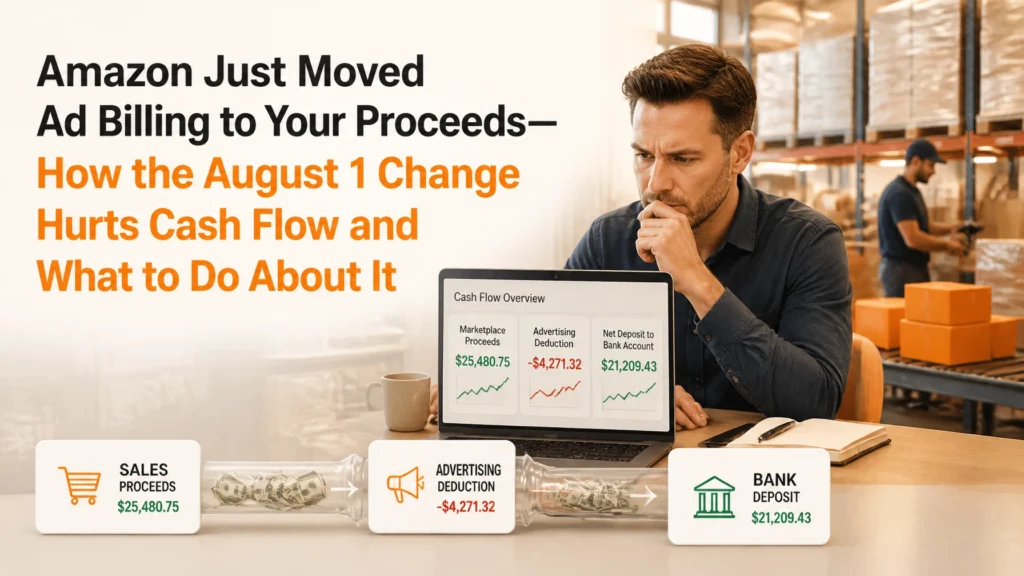
Amazon’s August 1, 2026 advertising billing update moves ad costs from credit card billing to automatic deduction from seller proceeds for affected accounts. That change compresses working capital because advertising spend reduces the payout reaching your bank before Q4 inventory purchases are due. This guide explains proceeds deduction, backup credit cards, Pay by Invoice, and practical steps to protect amazon seller cash flow. It also shows how 3rd party fulfillment services, a single inventory pool, controlled stock ownership, and FBMFulfillment’s FBA Replenishment Module can help sellers maintain predictable replenishment and stronger operating control.
Best 3PL Fulfillment Companies for Small Businesses in the US

Choosing a fulfillment partner is a long-term business decision, not a search for the lowest warehouse rate. This guide explains how small ecommerce sellers can compare 3PLs by pricing, minimums, integrations, location, same-day processing, delivery speed, returns, and contract flexibility. Learn why most 3PLs reject small accounts, which startup-friendly policies matter, how to audit a sample invoice, and how to build a productive relationship with a fulfillment provider. FBMFulfillment offers waived minimums for 12 months, no onboarding fee, month-to-month terms, enterprise-level rates, Jacksonville operations, multichannel technology, FBA replenishment support, and post-pay invoicing.
What Causes Amazon Receiving Delays at FBA?
What causes Amazon receiving delays? Learn the inbound issues behind FBA check-in slowdowns and how sellers can protect availability, margins, and sales.
The Ultimate Guide to Post De Minimis Fulfillment: How to Pivot Before Your Margins Vanish
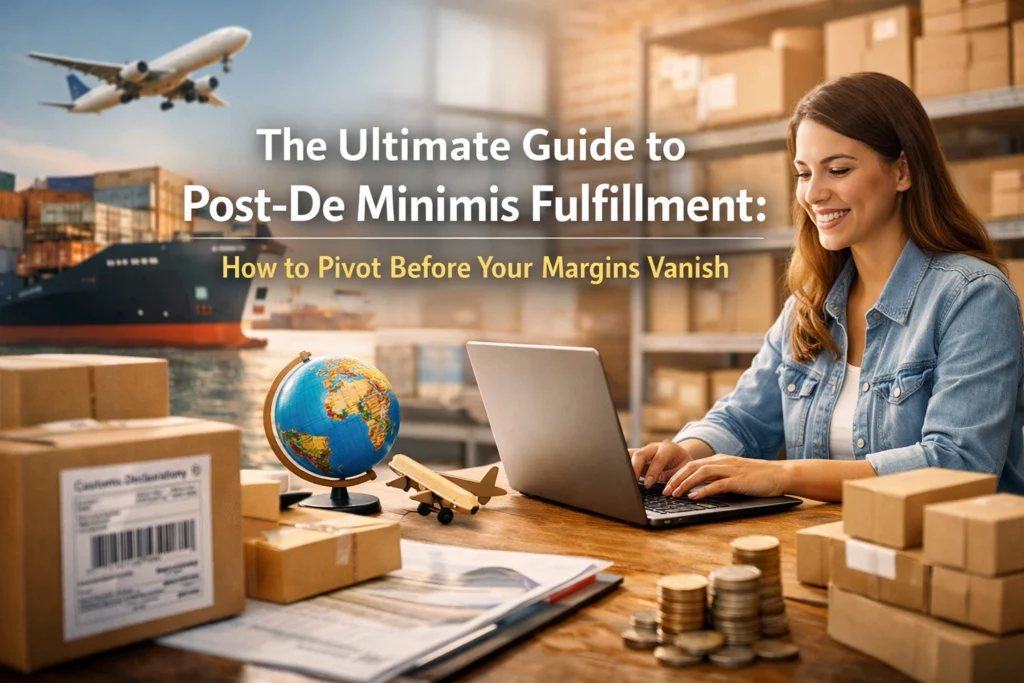
The “golden age” of duty-free direct shipping is over. With the suspension of De Minimis (Section 321) benefits, sellers shipping individual parcels from overseas are facing a “logistical extinction event” of high tariffs and customs delays. This guide provides the blueprint for the strategic pivot: moving from risky direct-to-consumer air mail to high-performance domestic bulk fulfillment. By importing in bulk and utilizing a US-based 3PL like FBMFulfillment, you protect your margins, bypass the “De Minimis death knell,” and leverage 2-day delivery as a competitive weapon. Adapt your supply chain now before your margins hit zero.
FBA Dripfeed: The 2026 Strategy for High IPI and Low Fees
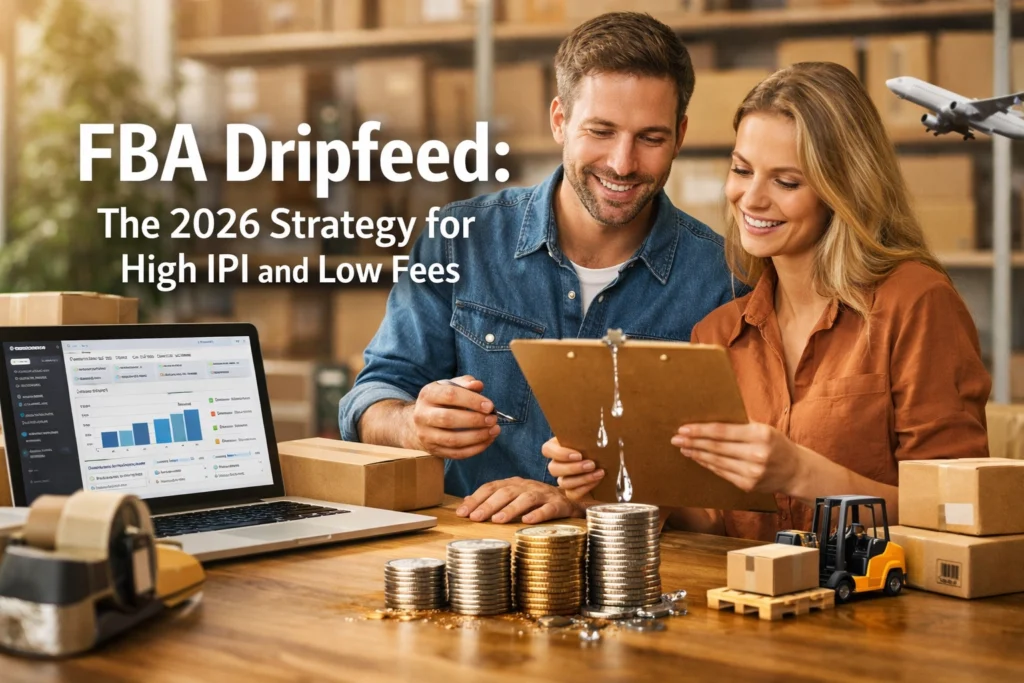
Amazon wants to be a fulfillment center, not a storage warehouse. If you’re still sending bulk shipments straight to Jeff, you’re likely tanking your IPI and overpaying for storage. Enter the FBA Dripfeed: storing your bulk stock at a 3PL and shipping small, optimized batches into FBA as needed. This strategy keeps your sell-through rates phenomenal and bypasses aggressive placement fees. By combining dripfeeding with an FBM backup, you create a lean, profitable machine that keeps your margins fat while staying exactly within Amazon’s evolving rules for 2026.
Scaling Your Shopify Store for Success – It’s very different from Amazon.
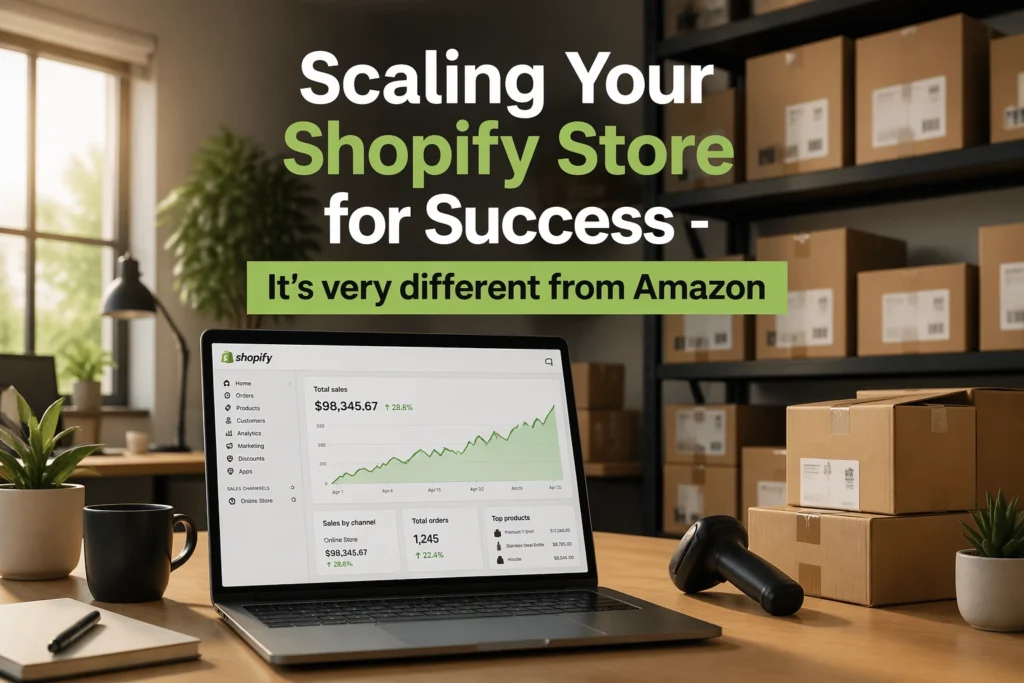
Moving from Amazon to Shopify is not just a channel shift. It is a complete change in how you acquire customers. Amazon gives you built in traffic. Shopify does not. This article explains the physical store analogy behind impressions, intent, clicks, adds to cart, and conversions, plus the real value of customer ownership. It also includes a practical Shopify success checklist covering your store, blog, Google Search Console, Google Analytics, keyword research, and blog creation with Marblism. Pair that with the right fulfillment support and you are in a much stronger position to scale your brand with control.