
Is Amazon Killing AWD? The 18x14x8 Rule May Be Just the Beginning
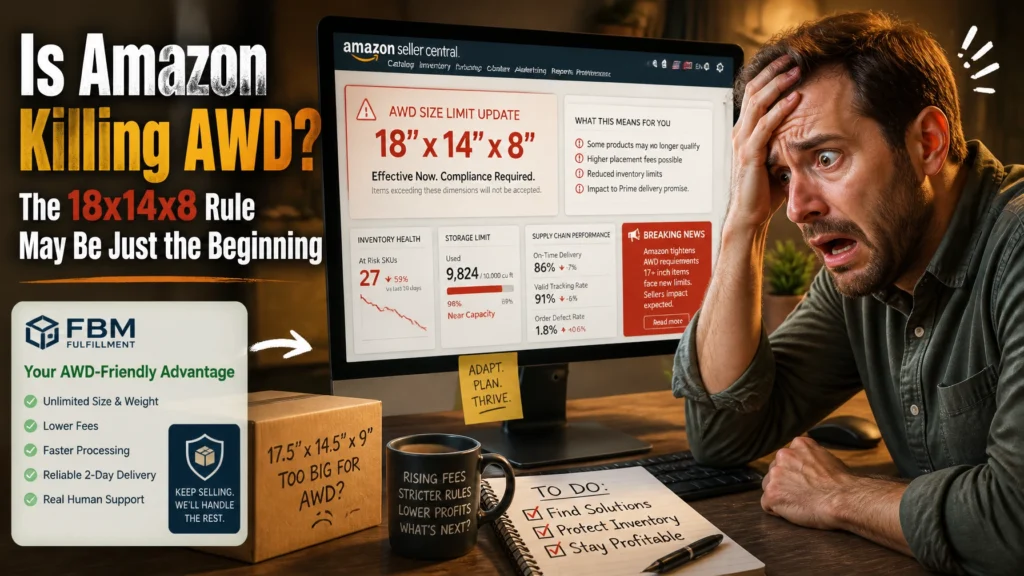
Amazon’s latest AWD restrictions are more than a storage policy update. They may signal a broader move toward a narrower, automated inventory network that leaves sellers responsible for larger-format and heavier products. This article explains the strategic and financial risks of relying on one platform, including stockout exposure, emergency freight, trapped inventory, and reduced multi-channel flexibility. It also shows how FBMFulfillment’s FBA Replenishment Module creates an independent domestic reserve, supports predictable 7 to 10 day FBA replenishment, eliminates placement fees, and keeps one inventory pool serving every major sales channel.
Hostage Inventory: Why Amazon Makes it Hard to Leave (and How to Take Control)
Why does moving your own inventory feel like negotiating a hostage release? This post pulls back the curtain on Amazon’s FBA “prison,” where removal orders fall into black holes and account suspensions lock your stock behind closed doors. We introduce the philosophy of Inventory Possession Control (IPC), where your stock is always live and always yours. Discover how a “Single Inventory Pool” at a dedicated 3PL eliminates platform-lock and allows you to pivot instantly between TikTok, Shopify, and Walmart. Stop being a hostage to “processing” windows and reclaim your agility with a strategic FBA dripfeed model.
Amazon AWD Vs. FBMFulfillment: Which Is Better for Your Multi-Channel Margins?
Amazon AWD is a “walled garden” that can quickly turn into “Amazon Jail.” While automatic FBA replenishment sounds easy, the hidden fees—like $1.35 per box handling and 5% surcharges for neutral packaging—eat your profits. We compare AWD’s restrictive ecosystem to our independent FBA Drip-Feed model. With FBMFulfillment, you maintain 100% possession control and a single inventory pool for all channels. Our “Daily Wins” storage (no snapshot traps) and neutral carriers ensure you can pivot instantly if Amazon suspends your account, keeping your Shopify and TikTok sales alive.
BREAKING: Amazon Cut Off AWD for Any Unit Above 18 x 14 x 8 Inches or 20 lbs
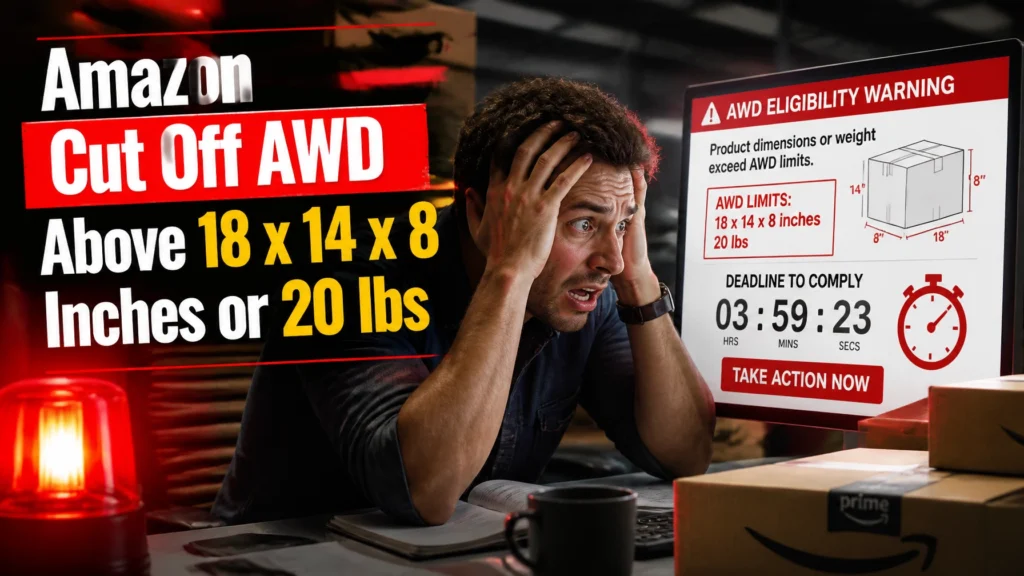
The new Amazon AWD size limits are now live: any unit above 18 inches long, 14 inches wide, 8 inches high, or 20 pounds is no longer eligible for AWD. These Amazon AWD product requirements apply to AWD only, not FBA. Existing Amazon AWD oversize inventory already sitting in AWD is grandfathered and can keep auto replenishing into FBA until depleted, but it still accrues storage fees and new shipments are blocked at creation. FBMFulfillment can replace that lost buffer with domestic storage, prep, and our exclusive FBA Replenishment Module feeding FBA and every other channel from one pool.
Amazon’s New Fee Stack Is Squeezing Your Margins: Why Hybrid FBM Is the Only Way Out

Are rising amazon fulfillment fees and strict FBA storage penalties squeezing your brand’s profitability? In 2026, relying 100% on FBA is no longer a viable margin strategy for multi-unit or high-SKU sellers. This comprehensive guide explores why Hybrid FBM: keeping bulk stock in a secure 3pl jacksonville facility while utilizing automated replenishment: is the ultimate solution. Learn how leveraging a premier fulfillment center in florida and expert 3rd party fulfillment services helps ecommerce brands dodge storage penalties, reduce amazon multi channel fulfillment mcf costs, and regain total inventory control.
Amazon’s 2026 Holiday Inbound Deadlines: The Exact Dates to Get Your Inventory In (and How to Beat Them)
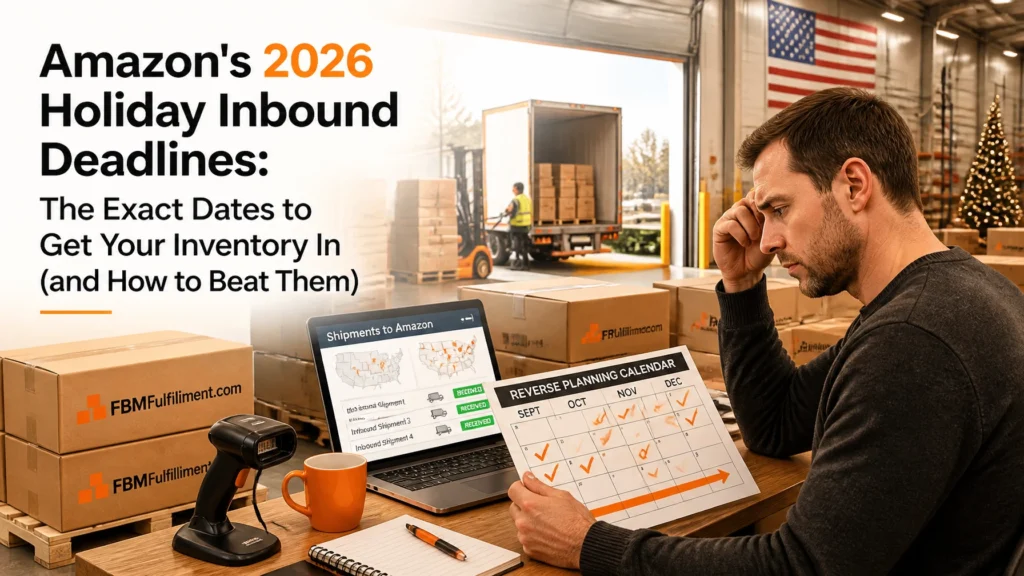
Amazon has published the 2026 inbound inventory deadlines for Prime Big Deal Days, Black Friday Week, and Cyber Monday. This guide explains the exact AWD and FBA arrival dates, the October 15 through January 14 holiday peak fee window, and why warehouse arrival: not factory departure: is the date that matters. Learn how reverse calendar planning, domestic inventory staging, FBA Dripfeed, and FBMFulfillment’s FBA Replenishment Module can help you avoid receiving delays, protect Prime badge eligibility, and keep one inventory pool serving Amazon, Shopify, TikTok, Walmart, eBay, and Etsy.