
eBay Seller Fulfillment Service Explained
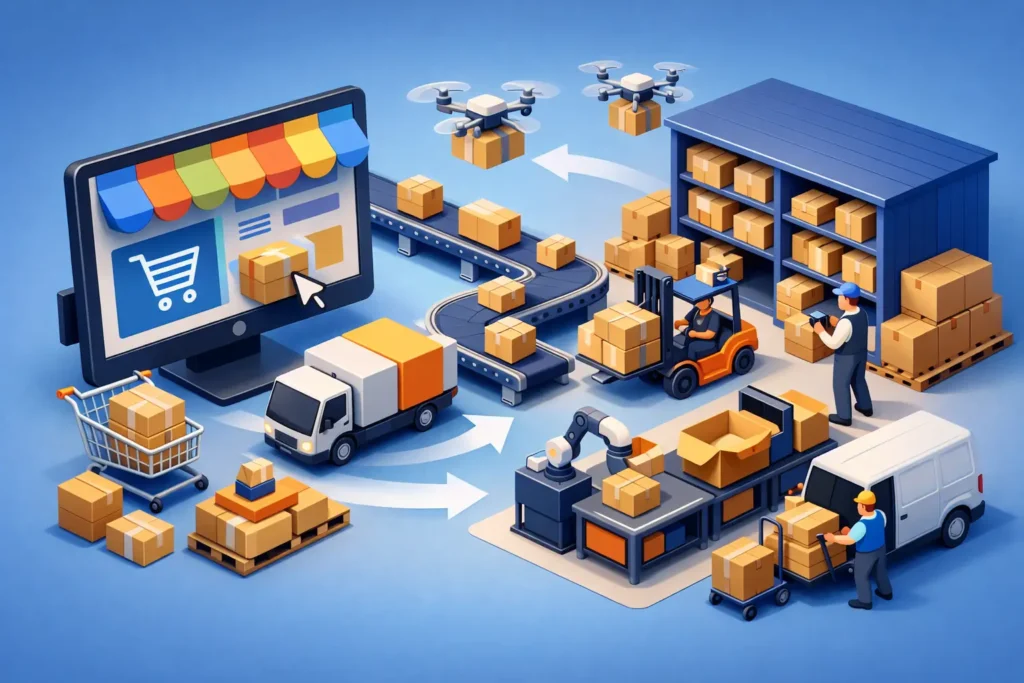
Learn how an eBay seller fulfillment service improves shipping speed, protects margins, reduces errors, and supports multichannel growth.
What an Ecommerce 3PL Warehouse Should Do
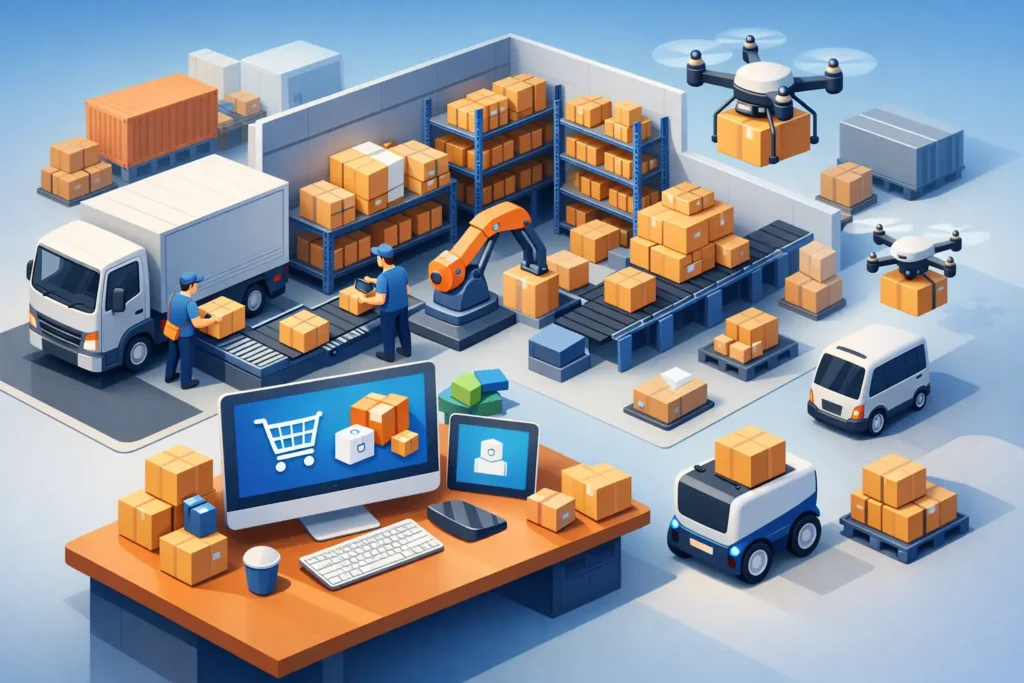
Learn what an ecommerce 3pl warehouse should actually do for sellers, from inventory control and speed to margin protection and channel flexibility.
WooCommerce Order Fulfillment That Scales

WooCommerce order fulfillment affects speed, margins, and control. Learn where stores break, what to automate, and when a 3PL makes sense.
The 2026 FBA Fuel Surcharge Isn’t Temporary , It’s a Permanent Margin Shave
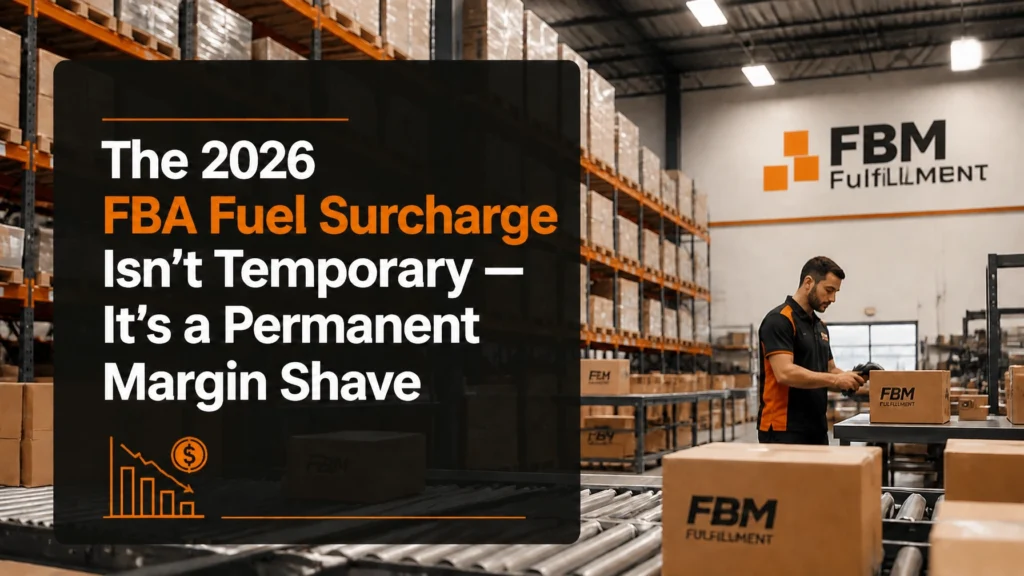
The April 17, 2026, 3.5% FBA fuel surcharge represents a permanent shift in Amazon’s fee structure, stacking on top of earlier 2026 base fee increases. This “temporary” measure is actually a permanent margin shave for ecommerce sellers, affecting FBA, Buy with Prime, and Multi-Channel Fulfillment (MCF) orders. To protect profitability, sellers must audit their SKU-level costs and diversify their logistics. FBMFulfillment.com offers a strategic alternative with predictable pricing, 2-day FedEx delivery, and total inventory control, allowing brands to maintain high service levels without the unpredictable overhead of Amazon’s growing fee list.
Amazon Storage Fees Spiked Again : Here’s What Q4 2026 Rates Will Cost You
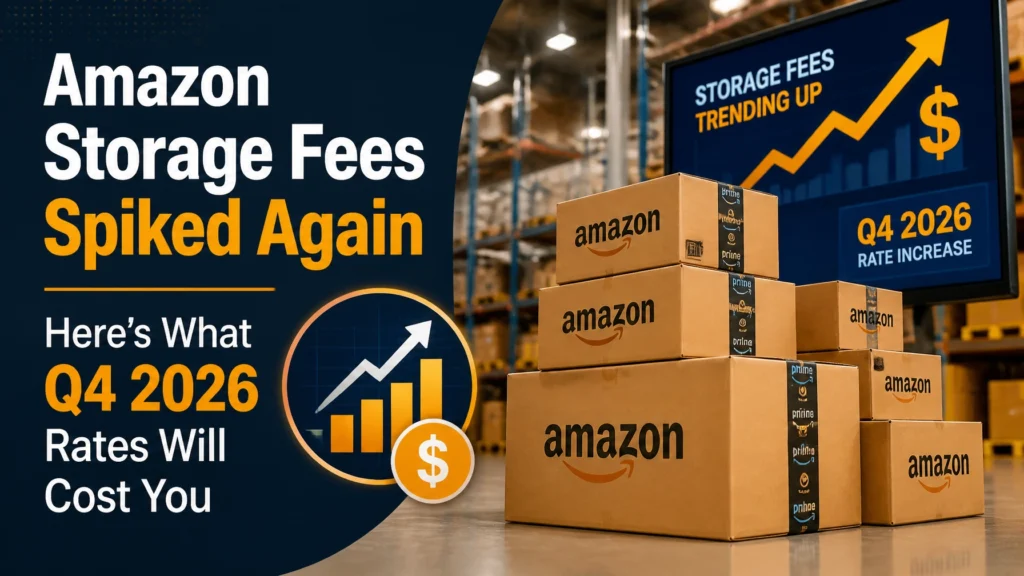
Amazon’s 2026 Q4 storage fees have reached a staggering $2.40 per cubic foot, a 275% increase over off-peak rates. Coupled with aged inventory surcharges kicking in at 181 days and rising removal fees ($0.97–$1.88 per unit), sellers face a significant threat to their holiday margins. This article breaks down the specific costs of FBA storage, the hidden “exit taxes” of removal orders, and why a 3PL-led dripfeed strategy is essential for inventory control and profit preservation in the current ecommerce landscape.
B2B Order Fulfillment Services: The Secret to Scaling Wholesale Without Doubling Your Inventory Costs

Scaling an ecommerce brand into wholesale often leads to the “inventory silo” trap: splitting stock between Shopify and B2B channels. This article explores why this model kills cash flow and introduces the “Single Inventory Pool” solution. By using professional B2B order fulfillment services, sellers can fulfill massive wholesale orders and individual Shopify sales from the same pile of stock. This approach reduces dead capital, prevents stockouts, and ensures retailer compliance without doubling inventory costs. Learn how FBMFulfillment.com’s seller-first approach provides the operational excellence needed to manage complex multi-channel logistics.