
Walmart: Gaming the Gemini AI Search for Sellers

In 2026, Walmart’s partnership with Google Gemini has revolutionized e-commerce by shifting from keyword-based search to conversational AI. This blog post explores how sellers can optimize their listings for this new era by focusing on natural language, rich product data, and the critical importance of fulfillment speed. With Walmart automating 65% of its logistics and integrating Vizio into its ad network, the competition is fiercer than ever. Sellers must prioritize speed and inventory accuracy to stay recommended by AI assistants, making high-performance 3PL partnerships the key to surviving and thriving on the new Walmart digital shelf.
Shopify: The Multi-Channel Pivot Strategy for 2026
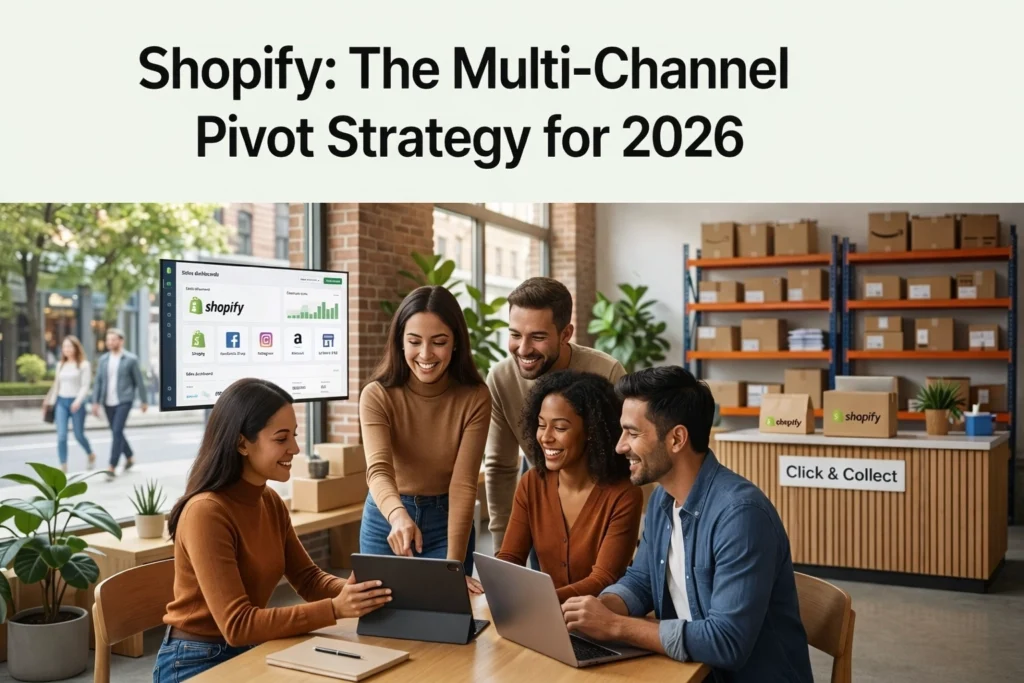
In 2026, e-commerce sellers face a critical crossroads as marketplace fees on platforms like Amazon and eBay reach record highs. This article explores the “Shopify Pivot Strategy,” a method for reclaiming profit margins by using Shopify as a centralized command center for multi-channel sales. By diversifying away from marketplace dependency and partnering with a specialized shopify fulfillment company, sellers can leverage AI-driven “agentic commerce,” own their customer data, and implement flexible logistics like daily storage billing. Learn how to transition from a marketplace “renter” to a brand “owner” while maintaining 2-day shipping speeds and superior brand equity.
Amazon: The 3.5% April Surcharge Survival Guide
Amazon’s new 3.5% Fuel & Logistics Surcharge, effective April 17, 2026, is a direct hit to seller margins across FBA, MCF, and Buy with Prime. Driven by rising global oil prices, this “temporary” fee adds an average of $0.17 per unit, threatening sellers with low-margin, high-velocity products. This guide breaks down the phased rollout, identifies the “Vulnerability Zone” for brands, and provides an actionable survival plan. By comparing MCF to regional 3PL advantages like daily storage billing and Jacksonville-based distribution, sellers can learn how to pivot their strategy to protect their bottom line from marketplace-specific fee hikes.
Amazon: The Prep & FNSKU Blackout Survival Guide
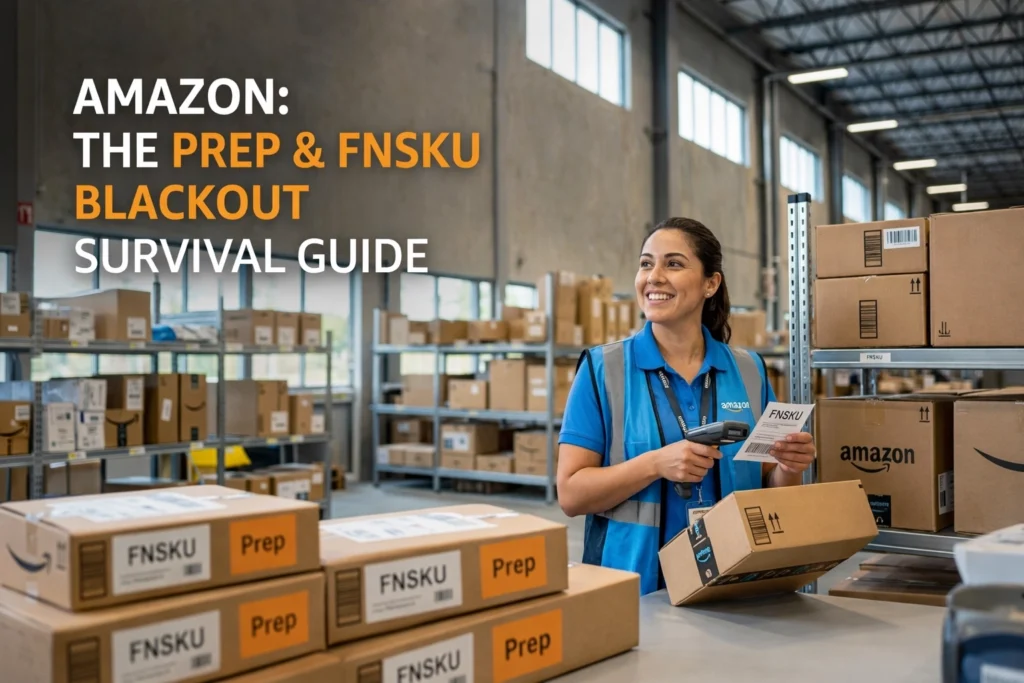
The 2026 Amazon “Prep Blackout” has officially ended internal FBA labeling and prep services, forcing sellers to handle FNSKU mandates and complex packaging requirements independently. With inventory commingling also discontinued as of March 31, 2026, non-brand registered sellers face significant risks of rejected shipments and account suspension if their inventory isn’t perfectly prepped. This guide explores the new FNSKU standards, 1.5 mil poly bag requirements, and why a professional 3pl fulfillment prep partner is essential for maintaining margins and compliance in the new “seller-managed” logistics landscape.
Do You Really Need FBA for Everything? Here’s the Truth About Inventory Control
Amazon’s FBA fees are nibbling your margins to death. When you surrender your inventory to Amazon, you lose agility and possession control. This post reveals how to take back the keys to your business using an FBA Drip-Feed model. Keep your bulk stock in our professional warehouse at lower rates and “drip” inventory into FBA only as needed. You’ll maintain your Prime badge, boost your IPI score, and avoid “hostage inventory” situations. Regain control over returns and shipping speed with actual 2-day delivery that rivals Prime’s increasingly inconsistent timelines.
The Shopify Wholesale Pivot: How to Scale B2B Without a Second Store
Scaling into wholesale does not need a second Shopify store or an expensive enterprise stack. This guide shows how to keep B2B and retail under one roof using native Shopify tools, customer tags, draft orders, case pack SKUs, and better tax exemption handling. It also explains why logistics becomes the real pressure point as volume grows. If you want cleaner inventory control, lower app bloat, and smoother bulk shipping, working with the right shopify fulfillment company can make the entire transition faster, simpler, and far more profitable.