
Best 3PL Fulfillment Companies for Small Businesses in the US
Choosing a fulfillment partner is a long-term business decision, not a search for the lowest warehouse rate. This guide explains how small ecommerce sellers can compare 3PLs by pricing, minimums, integrations, location, same-day processing, delivery speed, returns, and contract flexibility. Learn why most 3PLs reject small accounts, which startup-friendly policies matter, how to audit a sample invoice, and how to build a productive relationship with a fulfillment provider. FBMFulfillment offers waived minimums for 12 months, no onboarding fee, month-to-month terms, enterprise-level rates, Jacksonville operations, multichannel technology, FBA replenishment support, and post-pay invoicing.
Scaling Your Shopify Store for Success – It’s very different from Amazon.
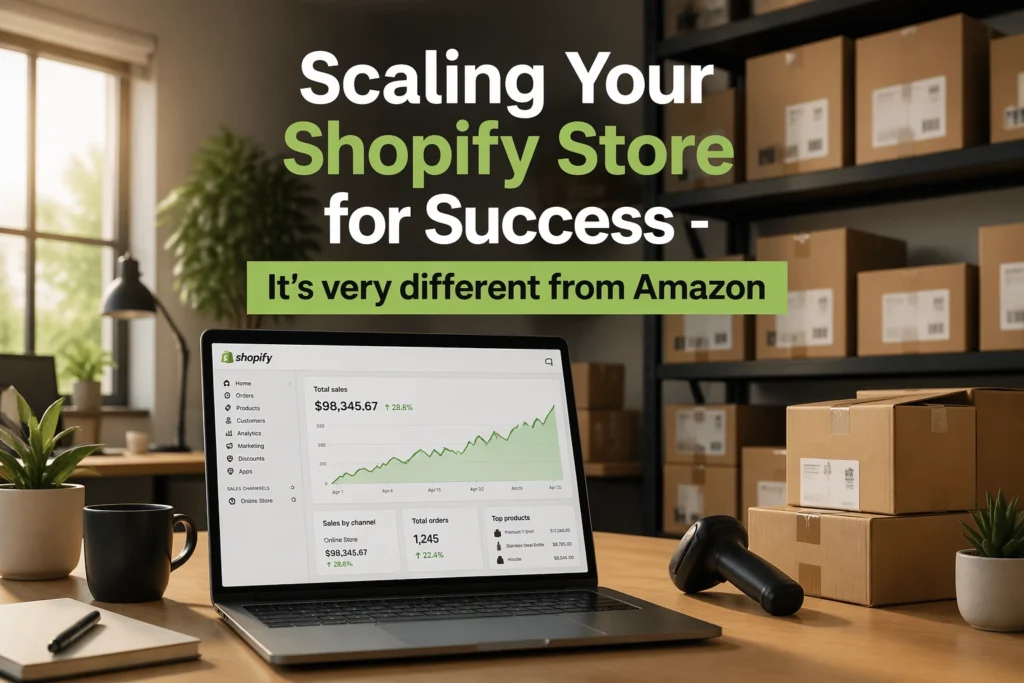
Moving from Amazon to Shopify is not just a channel shift. It is a complete change in how you acquire customers. Amazon gives you built in traffic. Shopify does not. This article explains the physical store analogy behind impressions, intent, clicks, adds to cart, and conversions, plus the real value of customer ownership. It also includes a practical Shopify success checklist covering your store, blog, Google Search Console, Google Analytics, keyword research, and blog creation with Marblism. Pair that with the right fulfillment support and you are in a much stronger position to scale your brand with control.
5 Steps to Scale Your Shopify Store: How to Automate Pick & Pack Fulfillment for 7‑Figure Growth
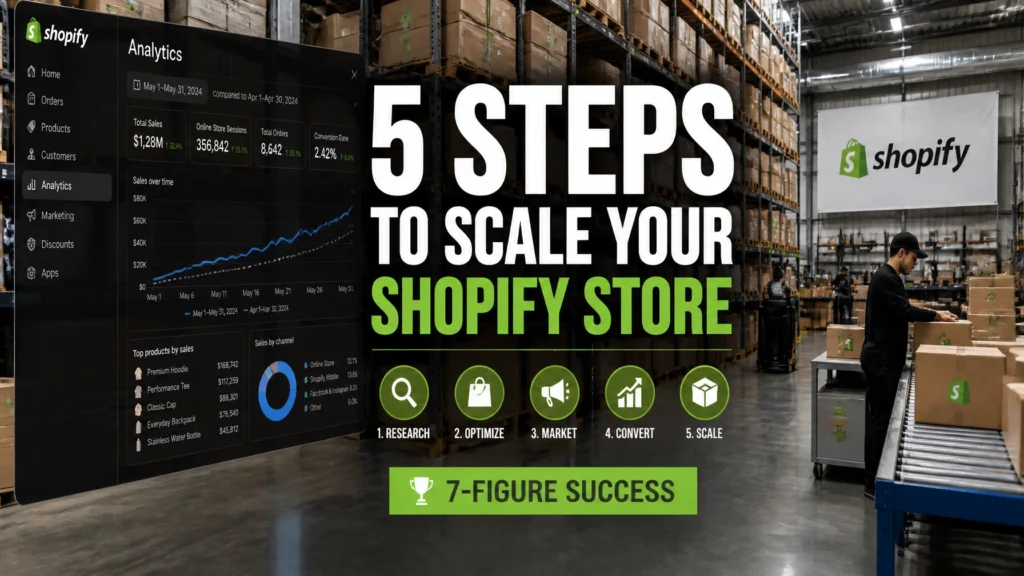
Scaling a Shopify store to 7-figures requires moving beyond manual self-fulfillment and embracing automation. This guide outlines five critical steps: auditing fulfillment bottlenecks, integrating Shopify with a high-tech 3PL, standardizing packaging and kitting, implementing multi-channel inventory synchronization, and utilizing data-driven forecasting. By transitioning to a professional shopify fulfillment company, sellers can eliminate “the garage trap,” reduce errors through barcode-driven pick and pack fulfillment services, and maintain control over inventory across platforms like Amazon and TikTok. Achieving operational excellence is the key to sustainable growth and superior customer delivery experiences.
Can Warehouses Ship Internationally? What Sellers Need

Can warehouses ship internationally without creating costly delays? Learn what ecommerce sellers need from a 3PL, customs, carriers, and control daily.
How to Reduce Warehouse Mispicks Quickly
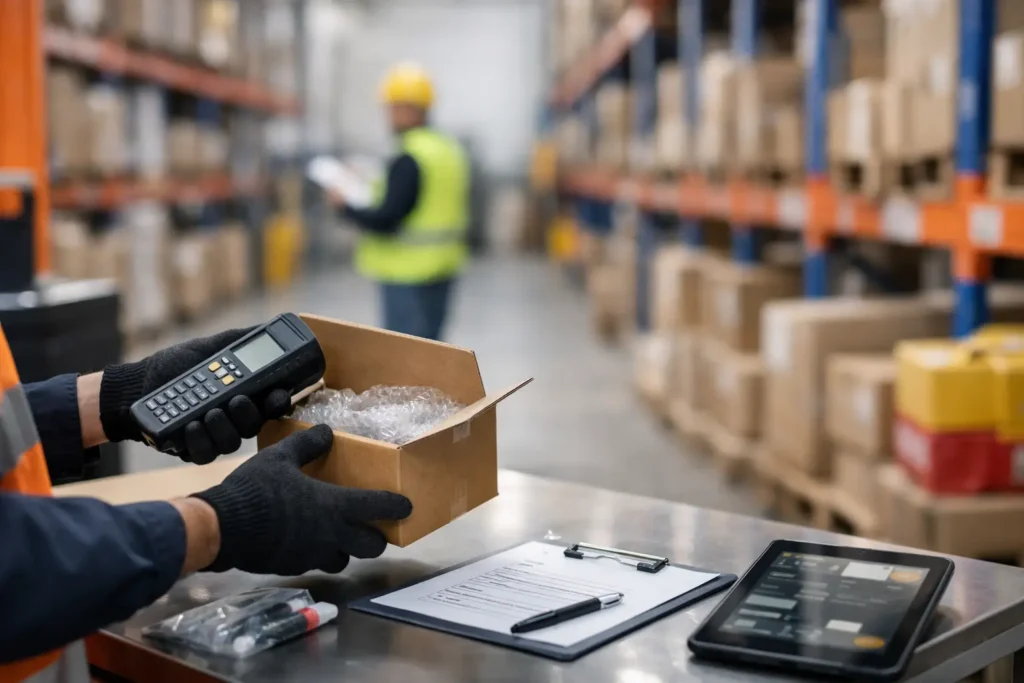
Learn how to reduce warehouse mispicks quickly with slotting, scan controls, clear workflows, and root-cause fixes that protect seller margins at scale.
What Is Kitting Fulfillment for Ecommerce Sellers?
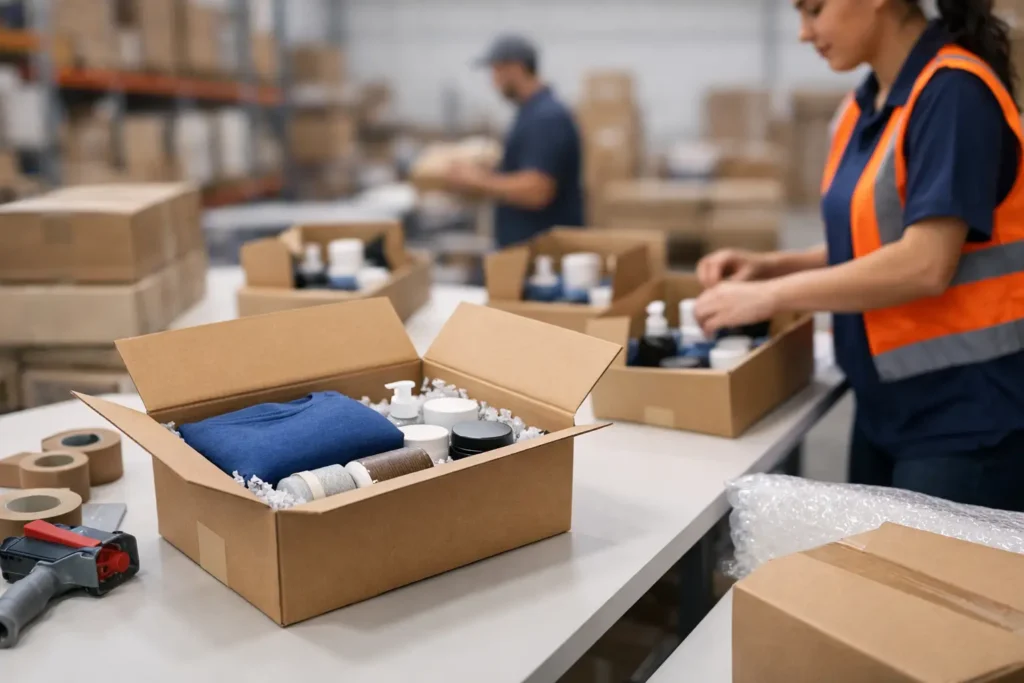
What is kitting fulfillment? See how preassembled product bundles reduce pick errors, protect margins, and speed multichannel order fulfillment at scale.