
Why Do I Need a 3PL? The Criteria That Actually Matter When Choosing One
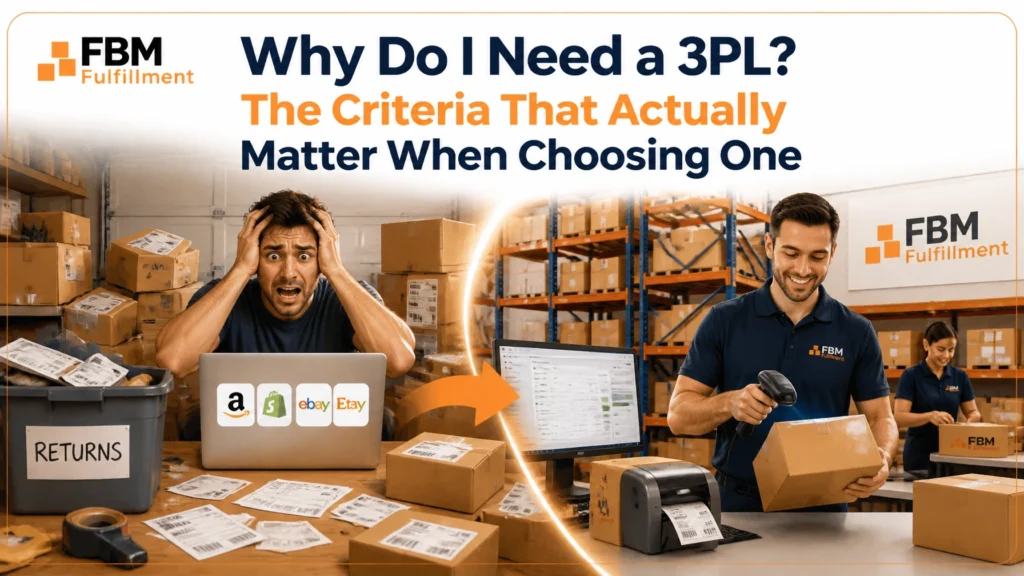
Self fulfillment works until it starts consuming your time, limiting sales channels, creating inventory errors, and delaying customer orders. This guide explains the five breaking points that signal it is time to consider a 3PL, including volume growth, multichannel complexity, delivery expectations, returns, and peak season pressure. You will also learn how to calculate your true fulfillment cost and evaluate providers based on accuracy, integrations, delivery speed, inventory control, returns management, FBA support, pricing transparency, and operational stability. The goal is not to outsource blindly. It is to choose a reliable partner that protects your margins and supports growth.
Your Summer Vacation Plan Is a Lie If You’re Still Packing Boxes Yourself

Are you truly on vacation if you’re still shipping orders? For many DIY e-commerce sellers, summer is more about “working vacations” and managing late-shipment risks than relaxing. This article explores the dangers of self-fulfillment, including Amazon’s 4% late shipment threshold and the hidden costs of “Vacation Mode.” By transitioning to a professional e-commerce fulfillment warehouse, sellers can maintain sales velocity, protect their account health, and reclaim their time. Learn how a 3PL fulfillment center provides the infrastructure for 2-day delivery and seamless multichannel fulfillment so you can finally leave the tape gun behind.
The Garage Trap: Why Self-Fulfillment Means You Never Truly Leave Work
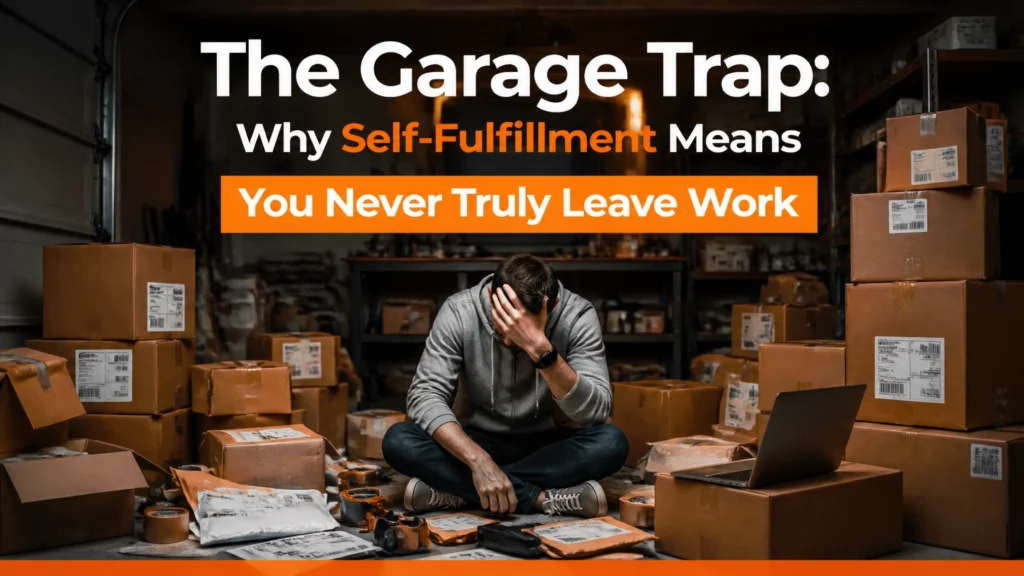
The “garage trap” is a common phase where self-fulfilling ecommerce sellers become overwhelmed by the very success they worked to achieve. Spending 20+ hours a week on manual packing and shipping creates a ceiling on growth and prevents founders from taking necessary downtime. This article explores the hidden costs of DIY fulfillment: including the “growth tax” on a founder’s time and the lack of scalability. By transitioning to a professional ecommerce fulfillment warehouse, sellers can leverage better shipping rates, automated multichannel inventory management, and reclaim their freedom to focus on brand-building.
The Florida “Peninsula Trap”: Why Shipping from Miami or Orlando is Quietly Killing Your Margins

The “Peninsula Trap” refers to the logistical disadvantage of using fulfillment centers in South or Central Florida. Because Florida is a peninsula, goods stored in cities like Miami or Orlando must travel hundreds of miles north, often through heavy traffic, just to reach the rest of the United States. This adds significant time and cost to every shipment. In contrast, Jacksonville acts as the “Front Door” to the U.S., making it the smarter choice if you need a fulfillment center in florida that can support faster, cheaper shipping to the Southeast and Midwest.
The 3PL Spectrum: From Corporate Giants to Fly-by-Night Startups : Every Type of Fulfillment Partner, Ranked by Risk
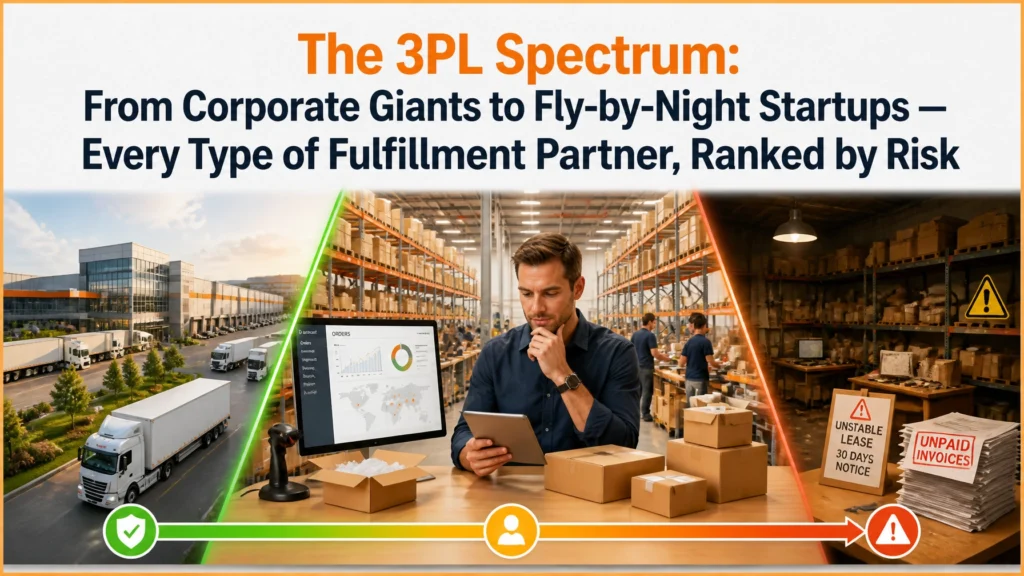
Your 3PL controls access to your inventory, customer experience, and shipping performance. This guide ranks six fulfillment provider types: from corporate logistics giants and venture-funded networks to marketplace fulfillment, specialist mid-market operators, asset-light brokers, and undercapitalized startups. You will learn how pricing, contracts, minimums, SKU limits, miscellaneous fees, client volume, and financial stability vary across the spectrum. The central lesson is blunt: the lowest quote can carry the highest inventory risk. Evaluate every 3PL for operational control, fee transparency, flexibility, delivery performance, returns management, and survival before you sign.
The 3PL Broker Trap: Why You’re Paying a 20% ‘Ghost Tax’ on Every Shipment

This article exposes the “3PL Broker Trap,” where ecommerce sellers unknowingly pay a “Ghost Tax” through hidden commissions, padded shipping, and marked-up storage when using middleman referral platforms instead of dealing directly with an asset-based warehouse. It breaks down the core 3PL middleman risks behind ad hooks like “pre vetted 3PL,” “real pricing in minutes,” “free matching,” and “backup plan,” and contrasts that with the Ecommerce Fulfillment Alliance model: a White Hat co op of independent, asset-based operators working together directly. The takeaway is simple: if you want national reach without broker markup, deal with the warehouse owners themselves, not a sales layer sitting in the middle.