
Ecommerce Product Selection for Profitability (and Avoid the Duds)

In 2026, revenue is vanity, and profit is sanity. Picking a winning product requires more than passion; it requires an audit of Landed COGS, PPC drain, and dimensional weight. This guide helps you solve the profitability puzzle by identifying “Small and Mighty” winners—dense, high-value items that avoid the “shipping air” trap. We analyze the margins of Private Label vs. Wholesale and reveal why “A-items” can sometimes be silent profit killers. Don’t scale an unprofitable SKU; learn the ABC velocity analysis and treat your fulfillment center as a strategic partner in protecting your bottom line.
The National Warehouse Myth: Why More Locations Can Be a Massive Hidden Cost
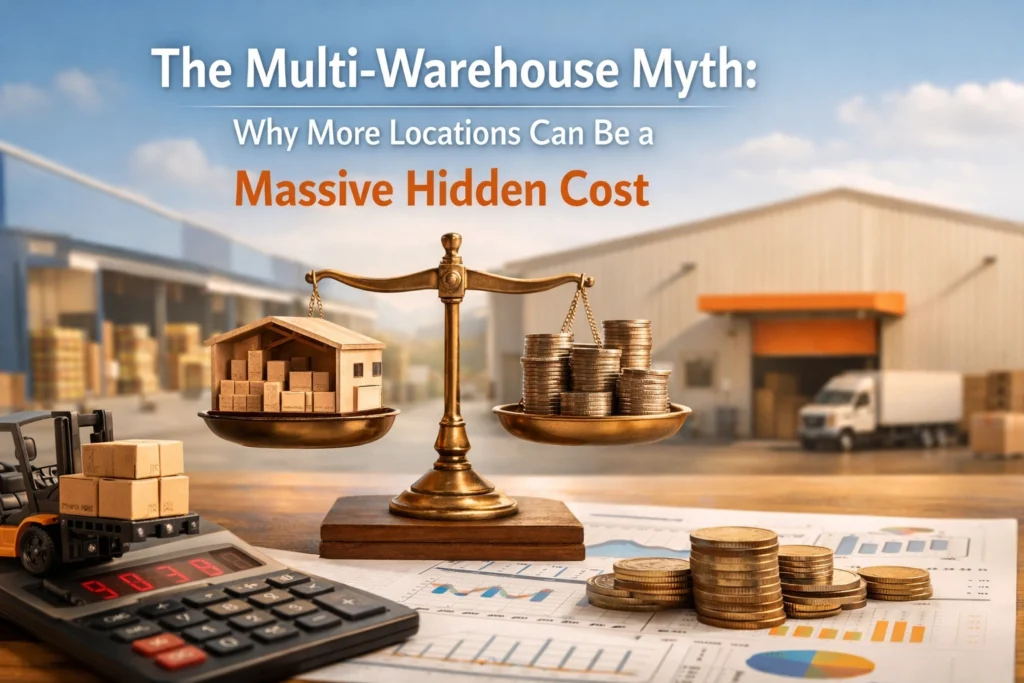
Don’t be fooled by the “national footprint” sales pitch. While splitting inventory across multiple warehouses sounds efficient, for most brands it’s a “safety stock cash trap.” This post exposes the hidden costs of multi-node strategies: double receiving fees, internal replenishment freight, and the dreaded split-order disaster that erases profit margins. Unless you ship 75-pound weight benches, a centralized, high-performance hub like our Florida facility is the smarter move. It simplifies inventory, maximizes cash flow, and provides concierge-level service that massive warehouse networks simply can’t match.
The Real Cost of a Stockout: Direct, Hidden, and Amazon Penalty Costs Every Seller Underestimates
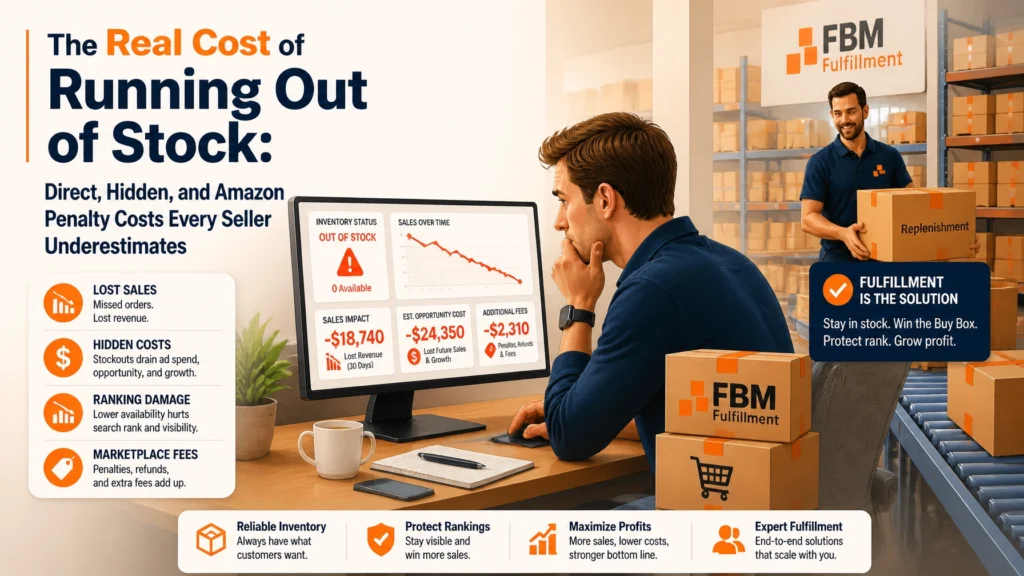
Running out of stock costs far more than the revenue from missed orders. Ranking decay can begin within 24 to 72 hours, recovery can take 2 to 8 weeks, and recovery advertising may cost 30% to 100% more than normal. Add Amazon’s Low Inventory Level fee, emergency freight, lost customers, and disrupted subscriptions, and the true cost can reach 2 to 5 times the direct lost sales value. This guide explains the direct costs, opportunity costs, Amazon penalties, BSR damage, and the role of domestic 3PL replenishment in preventing the next stockout.
The Ecommerce Returns Management Surge is Here: How to Stop Defective Items From Bleeding Your E-Commerce Profits
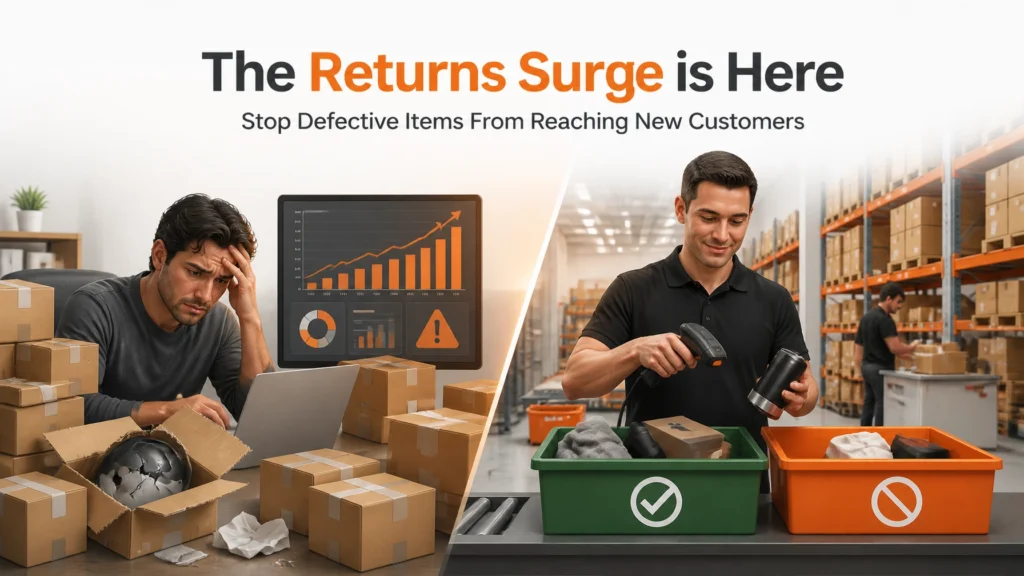
Ecommerce returns are running 18% to 24% above the same period last year, and Q4 will increase pressure on already stretched returns infrastructure. The most damaging problem is defective inventory recirculating to new customers, leading to repeat returns, chargebacks, negative reviews, and lost customer lifetime value. This guide explains how to build a controlled process that receives, inspects, restocks, quarantines, and disposes of returned units correctly. It also explains return policy economics and how FBMFulfillment supports multichannel sellers with Jacksonville fulfillment, same day shipping, FedEx 2Day, and dedicated returns control.
Walmart: Human vs. The Robot Supply Chain
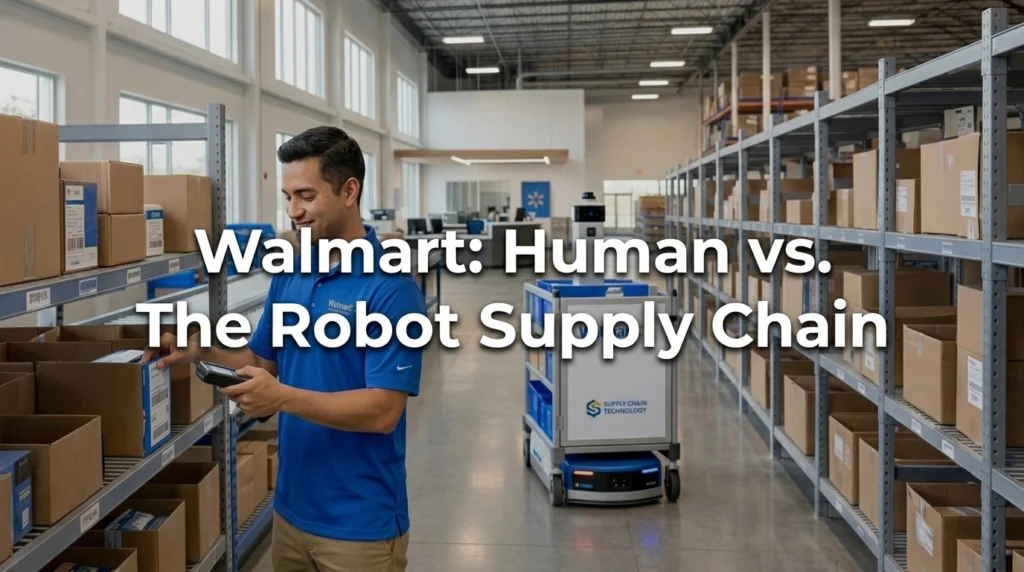
Walmart is aggressively automating 65% of its stores by the end of 2026, implementing digital shelf labels, autonomous FoxBots, and Gemini AI search. While this maximizes efficiency for the retail giant, it creates significant hurdles for e-commerce sellers who require flexibility and customization. This article explores why the “Human Supply Chain” of an independent 3PL remains superior for multi-channel sellers. We highlight the limitations of robotic fulfillment in kitting, custom packaging, and exception handling, and explain why choosing an agile ecommerce fulfillment near me is the key to surviving the 2026 marketplace shifts.
Why 3PL Onboarding Fees are a Red Flag: Don’t Get Trapped

Many 3PL providers use high onboarding fees (ranging from $1,000 to $5,000) as a strategic “switching cost” to lock e-commerce sellers into long-term contracts. These fees create “integration debt,” making it financially painful for brands to leave even when service quality is poor. This article explores why these upfront charges are a major red flag, signaling a lack of confidence in performance. We compare this to FBMFulfillment’s performance-based model, which avoids predatory fees and focuses on daily prorated storage and transparent pricing to help sellers scale without getting trapped.