
Why the End of Section 321 Will Change the Way You Sell on TikTok and Shopify

The party is officially over for the dropshipping boom. The dismantling of the Section 321 “De Minimis” loophole means that the $15 gadget you sell on TikTok just got 25% more expensive and 10 days slower to deliver. This post explains why relying on a 14-day international shipping window is now a catastrophic risk to your TikTok Shop health and Shopify conversion rates. Learn how the “Stateside Pivot” to US-based fulfillment changes the math of your business, offering instant tracking numbers and 2-5 day delivery that builds true customer loyalty in a post-loophole world.
Beware the Rise of Fly-by-night, Under-Capitalized Ecommerce 3PL Startups and the Risks to Sellers

The 3PL explosion has brought a wave of “fly-by-night” startups that aggressively advertise “AI-powered” logistics but lack the financial stability to protect your inventory. These under-capitalized warehouses often rely on rapid customer acquisition to cover cash flow gaps, creating a “house-of-cards” scenario for unsuspecting sellers. This post warns against deceptive pricing gimmicks, upfront deposit traps, and the dangers of middlemen brokers. Learn how to perform essential due diligence—verifying financial stability, checking BBB ratings, and insisting on live technology demos—to ensure your inventory doesn’t end up in “3PL jail” when a startup collapses.
FBA Fees Jumped Again in 2026: How Hybrid Fulfillment Protects Your Margins (And Your Sanity)
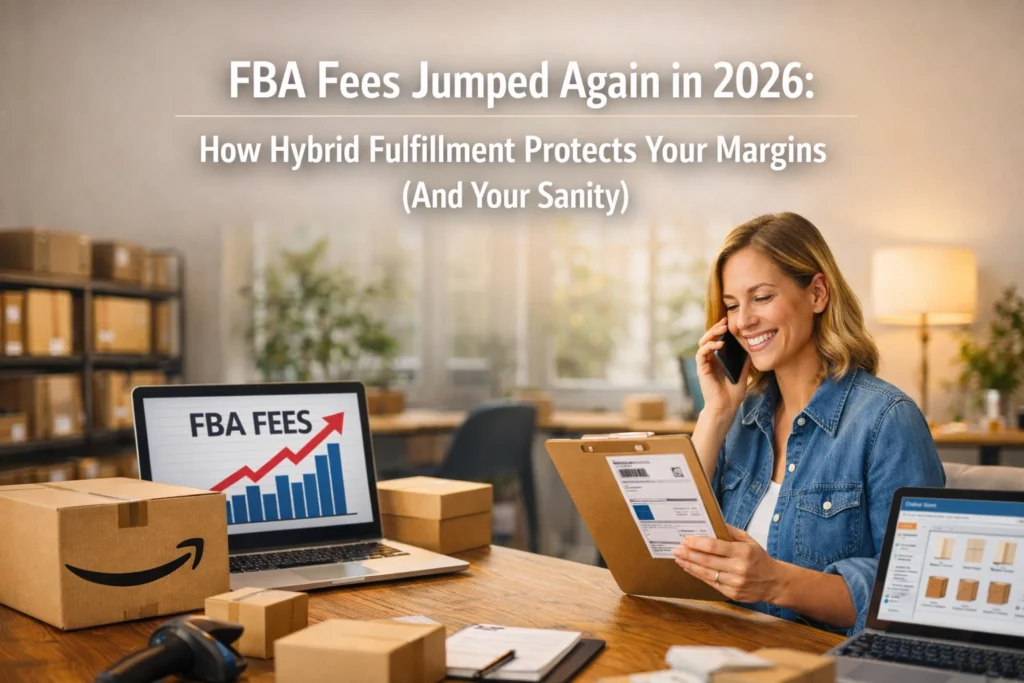
Amazon’s latest FBA fee hike isn’t just a rounding error—it’s a 5% reduction in your take-home profit. This cost breakdown reveals why FBA no longer makes financial sense for seasonal inventory, slow-moving variants, or multi-channel stock. The solution? A hybrid fulfillment model. By keeping core products in FBA and routing overflow to a dedicated 3PL like FBMFulfillment, you maintain Prime eligibility while slashing storage costs. Learn how we help sellers optimize their 2026 margins with real-time inventory sync, 2-day delivery via FedEx, and a “dripfeed” replenishment model that beats Amazon at its own game.
Escape the Packing Tape: Why DIY Fulfillment is Killing Your Growth (and Your Social Life)

Still packing boxes in your garage at midnight? You haven’t built a business; you’ve created a high-stress job. DIY fulfillment carries massive opportunity costs, stealing time that should be spent on product development and marketing. Beyond the burnout and “fulfillment-induced house arrest,” you’re likely overpaying for shipping and packing supplies. This post makes the case for the “Sanity Upgrade”—outsourcing to a 3PL to unlock professional scale, volume discounts, and the personal freedom to actually grow your brand. Put down the tape dispenser and start acting like a CEO.
The TikTok Shop Trap: How a Viral Hit Can Kill Your Store (and How to Survive It)

TikTok Shop is a gold rush, but its strict SLAs are a “ship-or-die” noose for the unprepared. A viral video can send you from 10 to 1,000 orders in 24 hours, leading to the “Viral Meltdown” where late shipments trigger account bans and throttled reach. This guide explains why “garage logistics” can’t survive the TikTok algorithm’s demand for same-day fulfillment. Partnering with a professional 3PL like FBMFulfillment provides the burst capacity and integration needed to keep your seller health in the green while you focus on creating the next FYP hit.
FBA vs. FBM: Which Products Win Where? (And How to Use Both)
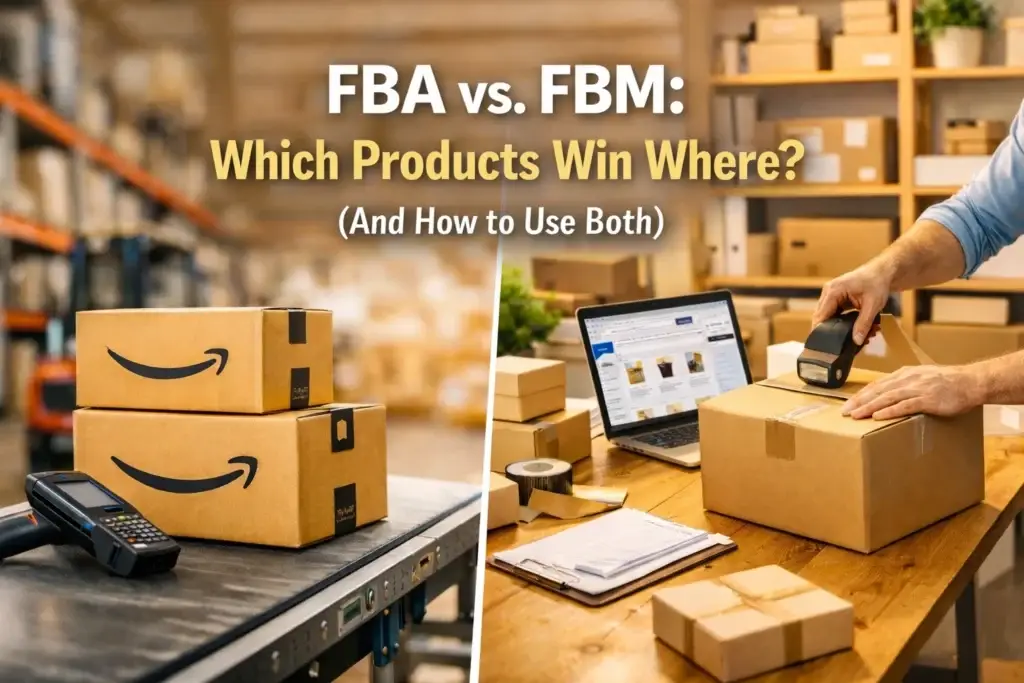
FBA isn’t the only way to scale—sometimes it’s a track to margin-suicide. This post breaks down which SKUs thrive in FBA and which are better off in a 3PL. FBA is great for small, high-velocity “winners,” but margin-killing for multi-unit bundles, oversized items, and high-SKU catalogs. We introduce the “Insurance Policy”: an FBA/FBM Hybrid strategy that uses FBM as a “hot standby” to protect your Best Seller Rank during stockouts. Use our FBA Drip-Feed model to beat storage limits, maintain high IPI scores, and reclaim control over your returns and reputation.