
FBA-FBM Hybrid Listing Secret to Maximize Amazon Profits
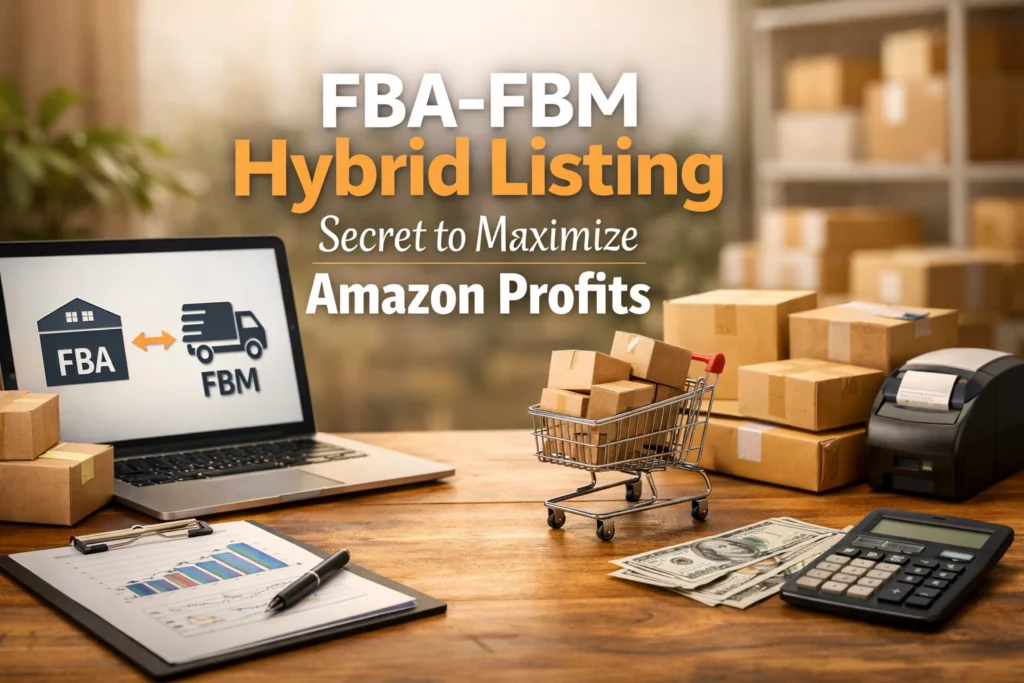
Relying 100% on FBA is a risk modern brands can no longer afford. Between skyrocketing storage fees and replenishment restrictions, your inventory is often held “hostage.” The secret is the FBA-FBM Hybrid Strategy: creating mirror listings for every ASIN. This fail-safe ensures that if FBA stocks out, your Merchant Fulfilled offer automatically kicks in to protect your keyword rankings and Buy Box status. Discover how our advanced technology synchronizes “each-level” inventory in real-time, giving you the resilience of a professional seller and the affordable storage of a dedicated 3PL partner.
5 Steps to Sync Your Inventory Across 5+ Channels (Easy Guide for Multichannel Sellers)
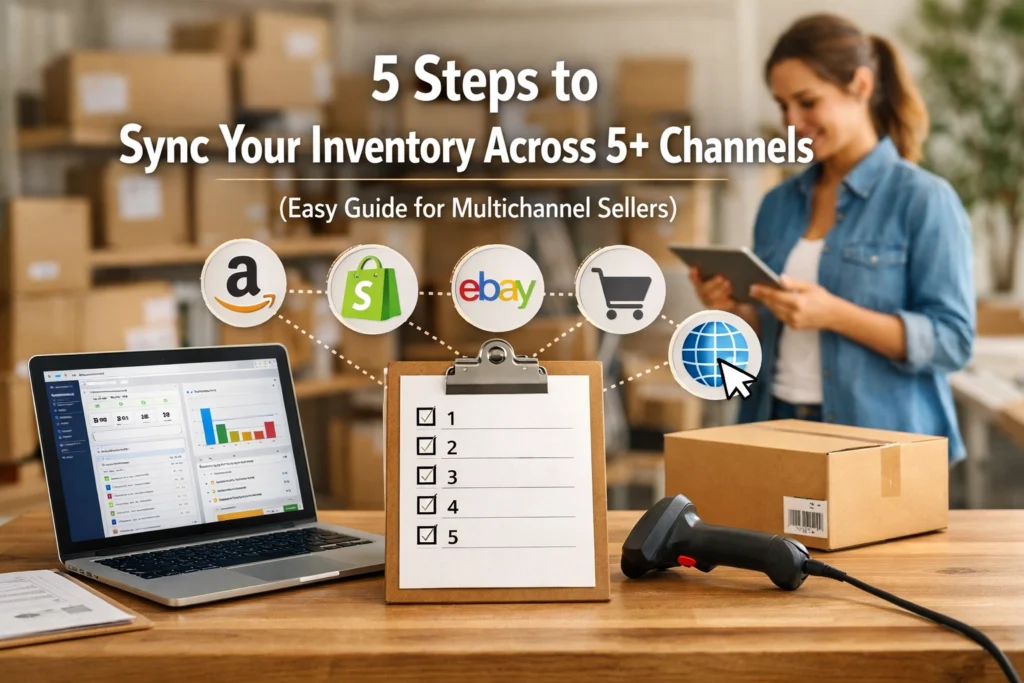
Selling on Shopify, Amazon, TikTok, and Walmart is great—until your inventory gets out of sync. Manual updates are a “catastrophic risk” to your reputation. Our 5-step guide helps you kill the spreadsheets and move to a centralized WMS. Learn the “SKU Golden Rules” for uniformity across platforms and the importance of real-time syncing over slow “batch” updates. By using FBMFulfillment as your central hub, you keep 100% of your stock in a single inventory pool, preventing overselling and ensuring you never have “dead stock” trapped in a silo.
Ecommerce Fulfillment Trends That Protect Margins

Ecommerce fulfillment trends reshaping cost, speed, inventory control, and multichannel growth for sellers who need fewer disruptions and better margins.
FBA Prep Versus Self Prep for Better Margins

FBA prep versus self prep affects more than labor costs. Compare speed, compliance, storage, and control to choose the right Amazon workflow for scale.
Looking for B2B Order Fulfillment Services? 5 Things You Should Know to Scale Wholesale in 2026
Moving from DTC to wholesale is a massive leap in complexity. This post highlights five essentials for scaling B2B, from mastering freight (pallets over parcels) to using high-end tech like Unit of Measure (UOM) and License Plate Number (LPN) tracking. We expose the “chargeback trap” caused by rigid retailer routing guides and explain how our “Double-Scan Standard” ensures 100% accuracy. Plus, see how our direct Amazon FBA replenishment technology automates your drip-feed, keeping your business lean and protected from Amazon’s shifting rules and expensive storage fees.
How to Prepare Cartons for FBA Without Delays

Learn how to prepare cartons for FBA with accurate box data, labels, packing standards, and checks that help prevent receiving delays and fees at Amazon.