A viral product can create the exact kind of problem most sellers think they want – until 400 orders hit in a day, inventory gets messy, shipping falls behind, and customer messages pile up. That is where a tiktok shop fulfillment service stops being a nice add-on and starts becoming an operational requirement.
TikTok Shop is not just another sales channel. It compresses discovery, conversion, and demand spikes into a very short window. When a post performs, orders do not ramp gradually. They surge. If your backend is built for steady daily volume, TikTok can expose every weak point fast.
What a TikTok Shop fulfillment service actually does
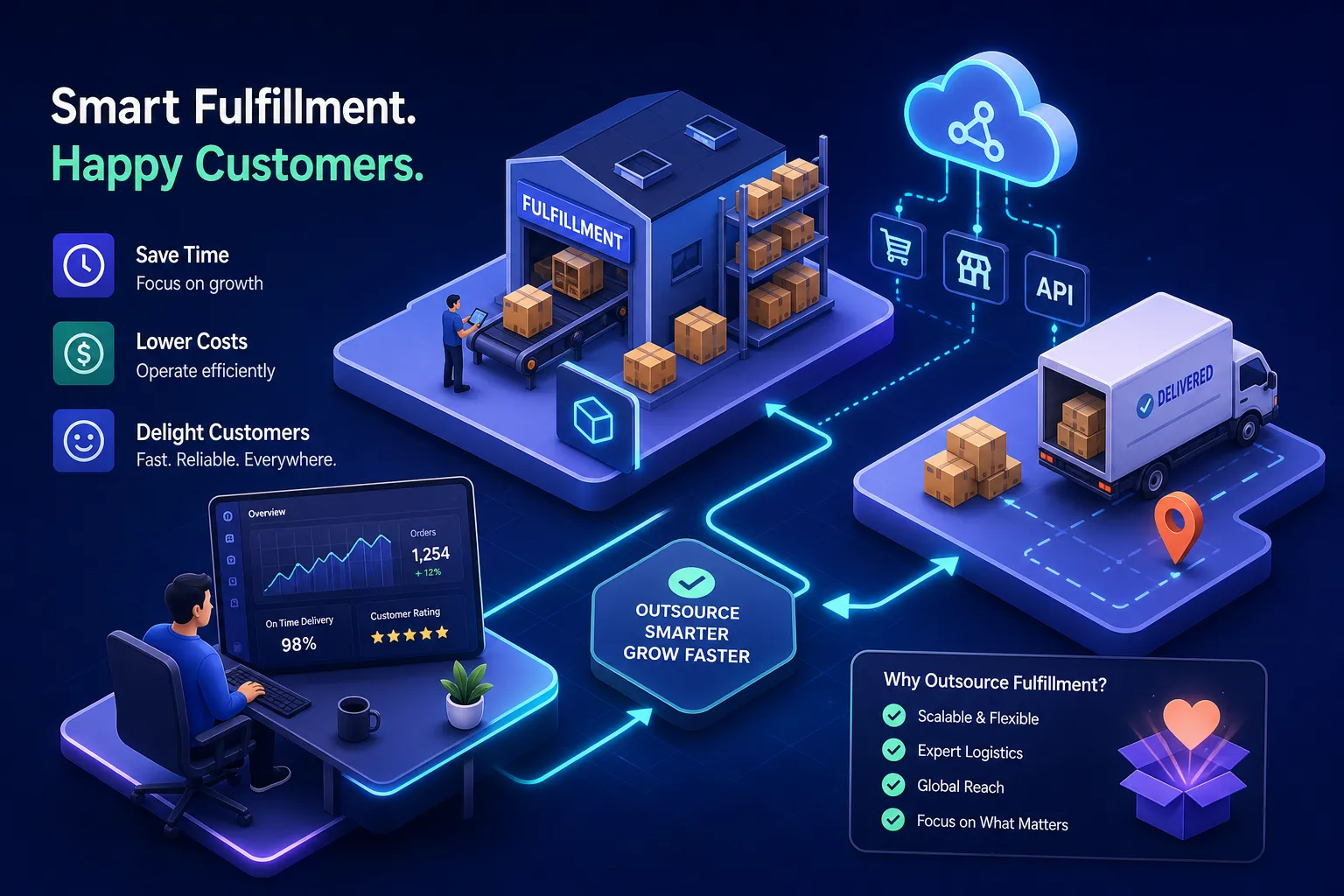
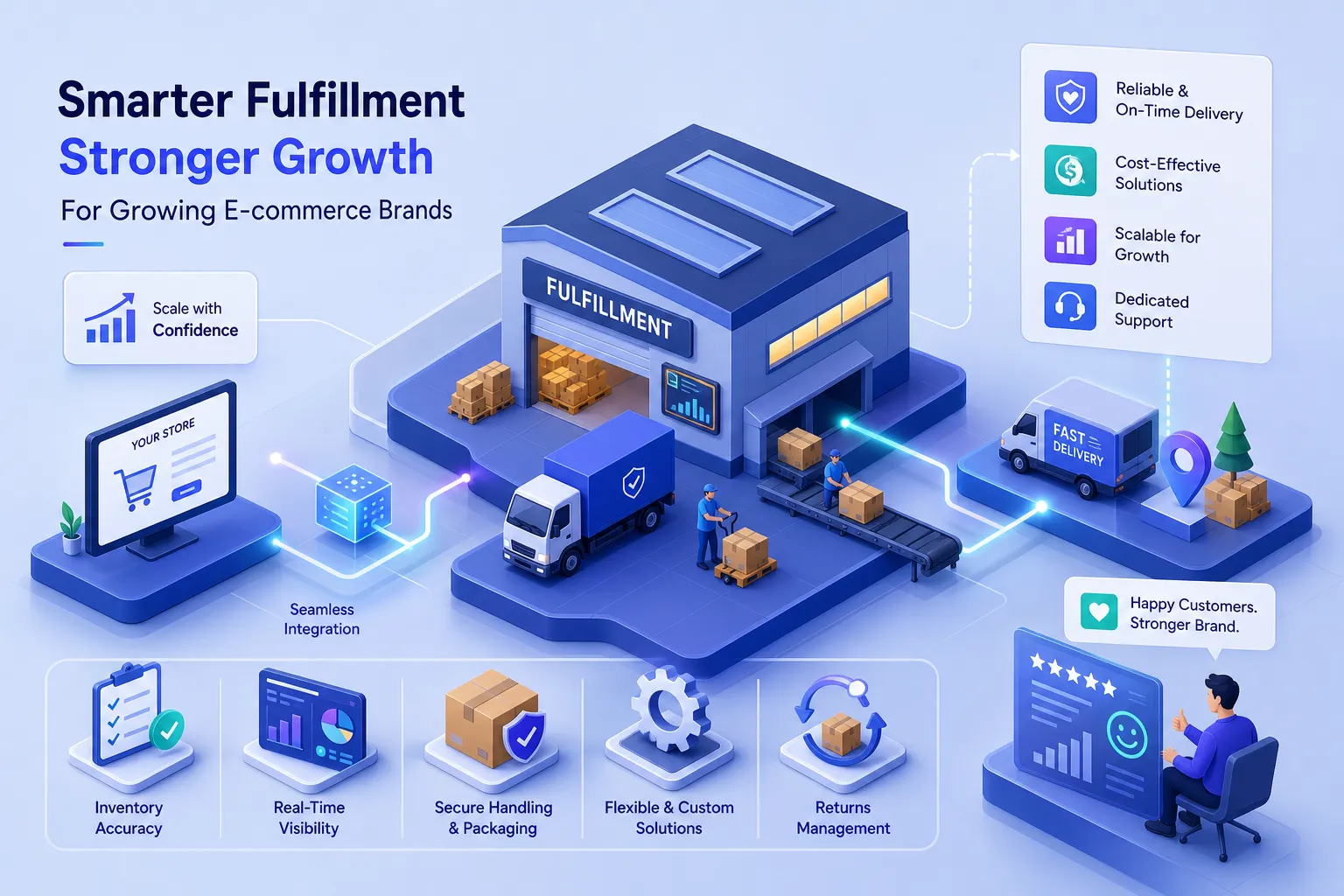
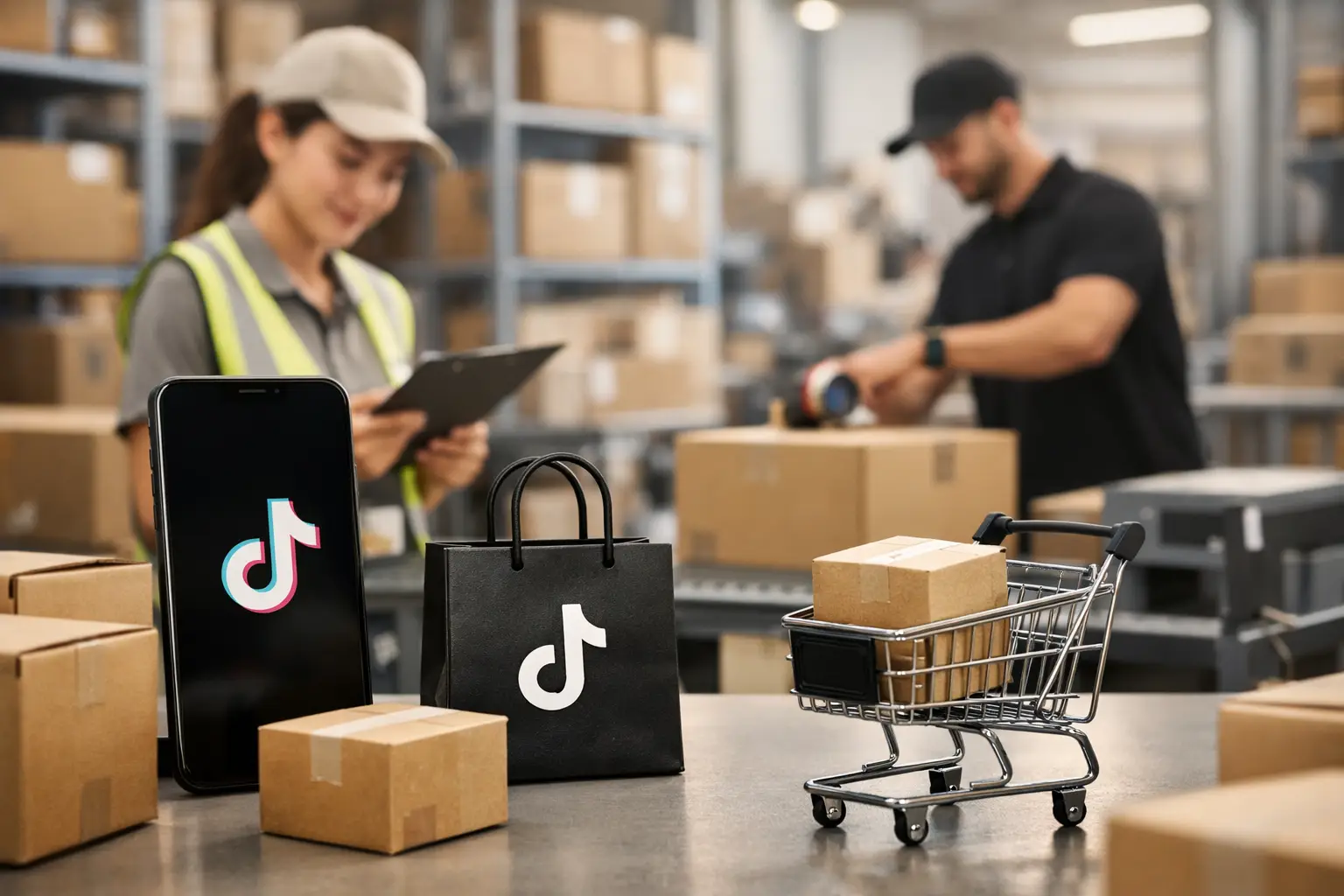
At a basic level, a tiktok shop fulfillment service stores inventory, receives orders from TikTok Shop, picks and packs those orders, ships them out on time, and helps manage returns. But for serious sellers, that basic definition misses the real job.
A good fulfillment partner is there to keep your account healthy when order volume jumps, your cash is tied up in inventory, and your products are also moving through Shopify, Amazon, Walmart, or other channels at the same time. The work is not just about getting boxes out the door. It is about keeping inventory accurate, routing orders correctly, avoiding oversells, and protecting delivery performance when demand gets unpredictable.
That matters more on TikTok than many sellers expect. This channel rewards speed and punishes operational hesitation. If your item starts moving because a creator video catches fire, you need inventory visibility and fulfillment execution that can keep up without creating a second problem on the customer experience side.
Why TikTok Shop breaks weak fulfillment setups
Some ecommerce channels are forgiving. TikTok Shop usually is not. Demand can spike overnight, and many sellers enter the platform with systems built around smaller direct-to-consumer order flow or marketplace volume that behaves more predictably.
The most common problem is inventory fragmentation. A seller has some units in-house, some at Amazon, some committed to wholesale, and some available for TikTok. Then a product takes off, stock counts are not synced tightly enough, and orders start landing against inventory that is not really available.
The second issue is labor capacity. Packing 20 orders a day from your own space is one thing. Packing 300 in a narrow shipping window is something else entirely. TikTok success often arrives before the operation is ready for it.
The third issue is margin erosion. Sellers sometimes assume self-fulfillment saves money until they calculate labor, packaging, postage variability, storage inefficiency, missed service levels, and the cost of distractions that pull them away from product and growth. A cheap process can become an expensive one fast.
The operational standard a fulfillment partner should meet
If you are evaluating a TikTok Shop fulfillment service, the real question is not whether they can ship orders. Almost any warehouse can do that at low volume. The question is whether they can support a channel where demand is volatile and operational mistakes spread quickly.
Start with inventory control. If stock data is delayed or inaccurate, nothing else works. You need confidence that the available quantity on TikTok reflects what is physically on hand and not what someone thinks is still on a shelf.
Order processing speed matters too, but speed without discipline creates a different kind of failure. Fast fulfillment only helps if orders are packed correctly, labels are accurate, and carrier handoff is consistent. A partner should be able to move quickly without sacrificing accuracy when volume spikes.
Multichannel awareness is another major factor. Many TikTok sellers are not TikTok-only businesses. They are selling across Amazon FBM, Shopify, Walmart, eBay, and other marketplaces. Fulfillment has to account for the fact that the same SKU may be committed across multiple channels with different service expectations.
That is why experienced sellers usually look for a 3PL that understands fulfillment as a control system, not just a storage function. The warehouse is only one part of the job. The bigger issue is how inventory, order flow, replenishment, and channel priorities are managed together.
When in-house fulfillment stops making sense
There is no universal cutoff point, but there are clear warning signs. If your team is spending more time packing than planning inventory, if order mistakes rise every time volume jumps, or if your physical space is limiting how much stock you can hold, your fulfillment setup is probably already costing you growth.
Another sign is channel conflict. Sellers often run into trouble when TikTok demand starts draining inventory needed for Amazon FBM or DTC orders. Without a structured fulfillment process, one fast-moving channel can create stockouts and late shipments somewhere else.
This is where a 3PL can improve more than labor efficiency. It can create breathing room. Inventory can be staged more intelligently, order routing can stay centralized, and the business is less exposed to a single bad week of internal operational overload.
How to evaluate a tiktok shop fulfillment service
The right provider should be judged on how they handle volatility, not how they perform in a quiet month. Ask how inventory is tracked, how orders are imported and processed, how cutoffs are handled, and what happens when daily volume suddenly triples.
You should also look closely at how they support the rest of your operation. If you are selling on multiple channels, fulfillment should not force you into separate inventory pools or clumsy manual workarounds. A good partner helps you keep control across the full business.
Returns matter as well, especially for categories with higher customer expectation or impulse-driven purchase behavior. If returns are slow, messy, or not put back into usable inventory properly, margin slips in ways that are easy to miss until the month is over.
It is also worth asking whether the provider understands marketplace pressure. A warehouse that only thinks in general shipping terms may miss what matters to sellers: account health, late shipment risk, stockout prevention, and the cost of losing momentum on a winning SKU.
That seller-side perspective is one reason businesses work with operators like FBMFulfillment. The difference is not just space and labor. It is working with a team that understands what fulfillment failures actually do to a brand across channels.
Cost is important, but bad fulfillment costs more
Price matters. Any operator who says otherwise is not managing a real P&L. But fulfillment should be measured against total operational cost, not just storage fees or pick-and-pack rates.
A lower-cost provider may still be the more expensive choice if they create inventory errors, slow order release, poor packing accuracy, weak communication, or delayed inbound processing. The damage shows up in refunds, support workload, missed repeat purchases, and lost sales when inventory planning breaks down.
On TikTok Shop, there is an added cost to slow recovery. Viral momentum does not wait for your warehouse to catch up next week. If you cannot fulfill efficiently during the demand window, the revenue opportunity can disappear before operations stabilize.
That is why the cheapest option often fails the moment it is tested. Sellers do not need fulfillment that works when volume is easy. They need fulfillment that holds up when the channel gets noisy.
The best setup protects both growth and control
For many brands, the strongest model is not TikTok-only fulfillment. It is a broader multichannel setup where TikTok Shop sits alongside Amazon FBM, DTC, Walmart, and other order sources under one inventory strategy.
That approach gives you more flexibility when one channel surges and another slows. It also reduces the risk of overcommitting inventory to a single platform. If stock is positioned correctly and replenishment is managed with discipline, you can react faster without putting the rest of the business at risk.
A tiktok shop fulfillment service should support that kind of control. It should help you move faster, not make your operation more fragmented. If your fulfillment partner cannot give you better visibility, better inventory discipline, and a better response to sudden order volume, then it is not solving the real problem.
TikTok can be a growth engine, but only if your backend is built for the pace of the channel. Sellers who treat fulfillment as an afterthought usually learn the hard way. Sellers who treat it as part of margin protection and risk management give themselves a better shot at turning short-term demand into something they can actually scale.