A late shipment on eBay does more damage than most sellers expect. It is not just one unhappy buyer or one refund. It can hurt your handling metrics, increase message volume, trigger avoidable defects, and create pressure across the rest of your operation. That is why choosing the right ebay seller fulfillment service is not a back-office decision. It is a margin decision, a performance decision, and in many cases a growth decision.
For small sellers, self-fulfillment can work for a while. You know your SKUs, you can pack orders at home or in a small space, and the daily order count stays manageable. The problem starts when growth exposes every weak spot at once. Inventory gets split between channels, high-volume days create delays, returns pile up, and one stock discrepancy turns into oversells on multiple marketplaces. At that point, fulfillment is no longer about getting boxes out the door. It becomes a system that either supports scale or blocks it.
What an eBay seller fulfillment service actually does
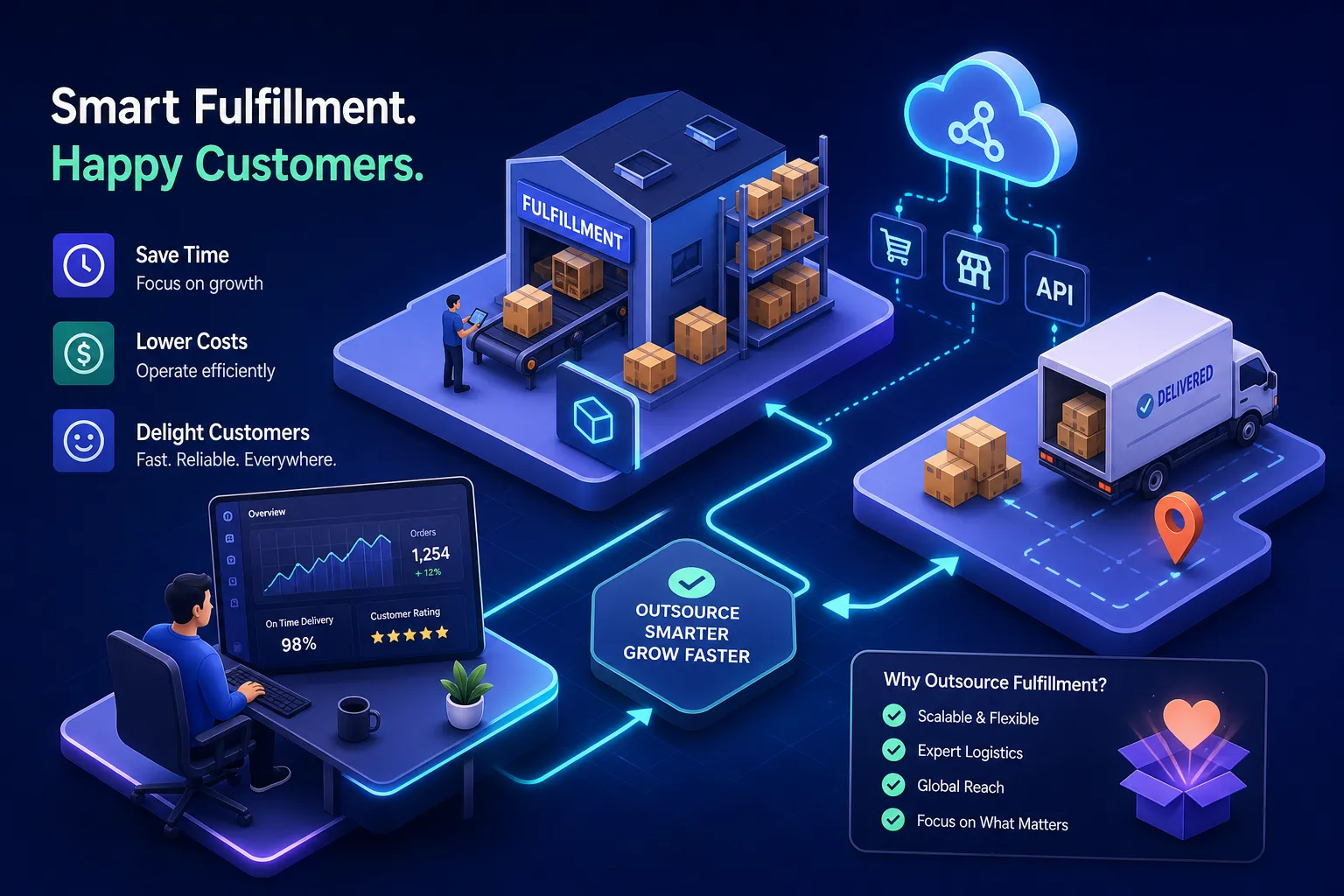
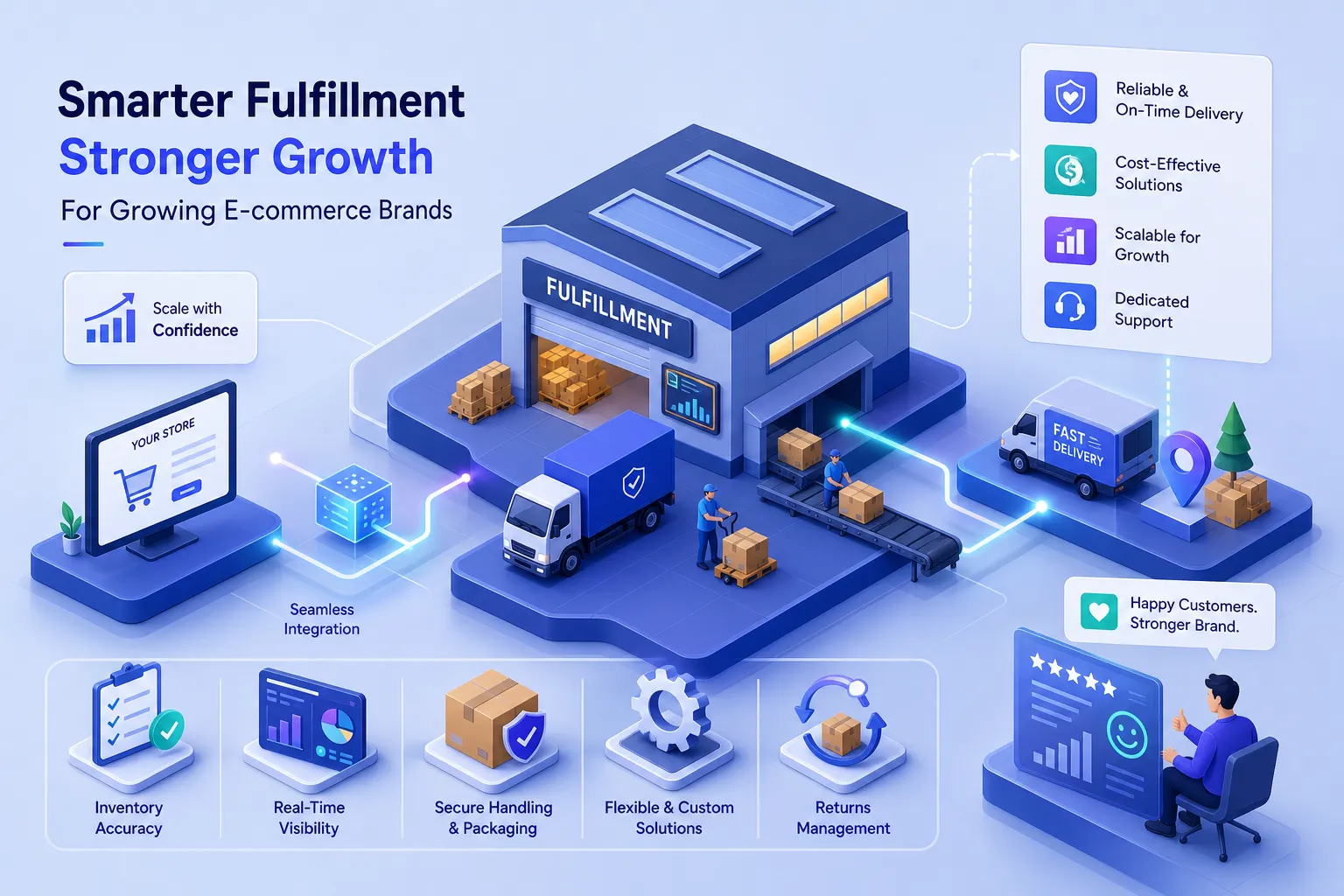
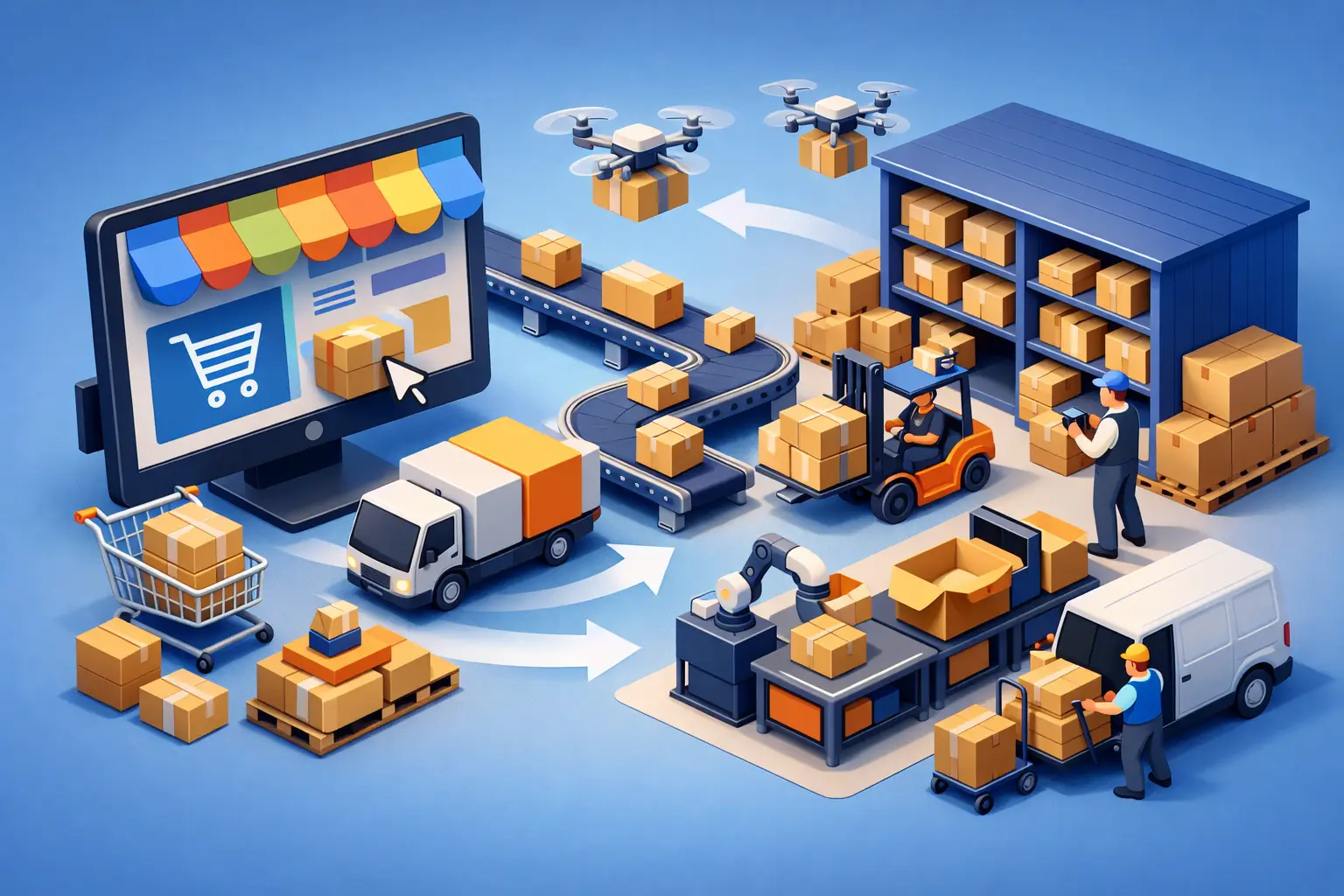
An eBay seller fulfillment service stores your inventory, processes incoming orders, picks and packs each item, ships it out, and updates tracking back to the marketplace. That basic definition is easy enough. What matters more is how well the provider handles the real operational details sellers deal with every week.
That includes inventory accuracy, order routing, handling time performance, shipping method selection, returns processing, and the ability to support more than just eBay. Most serious sellers are not running one channel forever. They sell on eBay, then add Shopify, Walmart, Amazon FBM, or wholesale accounts. A fulfillment setup that only works for one storefront usually becomes a problem later.
The strongest providers do not treat fulfillment like generic warehouse labor. They understand that a missed scan, a late outbound shipment, or a bad receiving process can create marketplace consequences fast. Sellers do not need vague promises about efficiency. They need operational control.
Why eBay sellers outgrow self-fulfillment
The first issue is time. Packing ten orders a day is very different from packing eighty, especially when those orders include multiple SKUs, custom inserts, fragile items, or varying carrier requirements. The labor itself becomes distracting. Instead of managing listings, pricing, sourcing, and cash flow, the seller is taping boxes and answering where-is-my-order messages.
The second issue is consistency. Self-fulfillment depends heavily on the seller being available, organized, and staffed correctly every day. If one employee calls out, if a shipment arrives late, or if a weekend promotion hits harder than expected, the whole operation can slip. eBay buyers are not grading you on effort. They are grading you on whether the package arrives on time and matches expectations.
The third issue is multichannel complexity. Once inventory is shared across eBay and other platforms, manual fulfillment creates risk. Even if order volume is still manageable, inventory syncing and physical stock handling become harder to control. One inaccurate count can create canceled orders, rushed transfers, or expensive split shipments.
The real value is not just shipping orders faster
Speed matters, but it is not the whole story. A good eBay seller fulfillment service protects margin in ways many sellers miss at first.
Accurate inventory prevents oversells and emergency fixes. Better warehouse organization reduces pick errors and reships. Smarter carton selection can lower shipping costs. Reliable receiving means inventory becomes available for sale faster. Clean returns processing helps you recover sellable units instead of letting them sit in limbo.
There is also the issue of channel flexibility. If too much of your inventory is tied up in one marketplace network, you lose options. A third-party fulfillment model gives sellers more control over where stock sits and how it gets allocated. That matters when one platform changes storage rules, receiving times, fee structures, or performance expectations.
For sellers who already manage Amazon alongside eBay, this becomes even more important. Depending entirely on one channel’s logistics network can leave you exposed to delays, limits, and cost swings. A fulfillment partner that can support direct-to-consumer orders, marketplace orders, replenishment, and returns gives you a more stable operating model.
What to look for in an eBay seller fulfillment service
A provider should be able to ship orders correctly and on time. That is the floor, not the ceiling. If you are evaluating a service, the bigger question is whether they understand ecommerce operations from the seller side.
Inventory accuracy should be a top priority. If warehouse counts are unreliable, every other promise becomes less meaningful. You should also look closely at order cutoff times, carrier options, receiving speed, and returns handling. Sellers often focus too much on pick-and-pack fees and ignore the hidden cost of poor execution.
System integration matters too, but not in a flashy way. You need stable order flow, clear tracking updates, and visibility into stock levels. If your operation spans multiple sales channels, make sure the provider is built for multichannel fulfillment and not just trying to bolt it on.
Service accountability matters just as much. When something goes wrong, and eventually something will, you need a team that can identify the issue and fix it quickly. Sellers do not need a ticket system that eats two days while account metrics slide in the background.
Common mistakes sellers make when choosing a provider
The biggest mistake is shopping on price alone. Cheap fulfillment can get expensive fast when error rates rise, receiving slows down, or support disappears when you need answers. Low fees look attractive until you start paying for replacement inventory, appeasements, late-shipment damage, and customer churn.
Another mistake is choosing a warehouse that does not understand marketplace pressure. eBay orders are not the same as pallet storage for traditional distribution. Marketplace fulfillment has stricter timing, higher message sensitivity, and a lower tolerance for mistakes. If the provider does not respect that, sellers end up managing the warehouse instead of benefiting from it.
Some sellers also wait too long to make the move. They stay in self-fulfillment until the operation is already strained, then try to transition during peak season or after service problems start. Fulfillment changes are easier to manage before the business is under pressure.
When outsourcing makes the most sense
Not every seller needs to outsource immediately. If your SKU count is low, your order volume is predictable, and fulfillment does not interfere with growth activities, keeping it in-house may still be reasonable. Control has value, especially early on.
But once fulfillment starts consuming the hours that should go toward purchasing, listing optimization, marketing, account health, or expansion, the math changes. The same is true when your space becomes a bottleneck, your shipping process becomes error-prone, or your business depends on one person being physically present every day.
Outsourcing also makes sense when your strategy is getting broader. If you want to sell on eBay while also supporting Shopify, Amazon FBM, Walmart, or wholesale orders, a centralized fulfillment operation can reduce fragmentation. Instead of splitting inventory across locations and workflows, you build around one controlled stock position.
A fulfillment partner should help you manage risk
This is where many providers fall short. They talk about storage and shipping, but they do not talk enough about risk. Serious sellers already know risk comes from stockouts, channel concentration, receiving delays, bad inventory counts, and poor service recovery. Fulfillment affects all of it.
A seller-informed 3PL approaches the problem differently. It sees inventory as working capital, not just something to stack on shelves. It understands that every delay has downstream effects on marketplace metrics, ad efficiency, reorder timing, and customer experience. That perspective is what separates a generic warehouse from an actual operating partner.
For eBay sellers with growing volume or multichannel plans, that difference is substantial. A provider like FBMFulfillment is built around the realities marketplace sellers deal with every day, including inventory control, channel flexibility, and the need to protect margin while scaling.
The right move is not always the cheapest option or the fastest one to set up. It is the one that gives you fewer operational surprises, stronger control over inventory, and more room to grow without your shipping process becoming the weak link. If your fulfillment keeps creating friction, it is already costing more than the invoice shows.