
The 2026 Holiday Peak Surcharge Trap: Why Your Multi-Channel Strategy Needs a 3PL Backup Plan
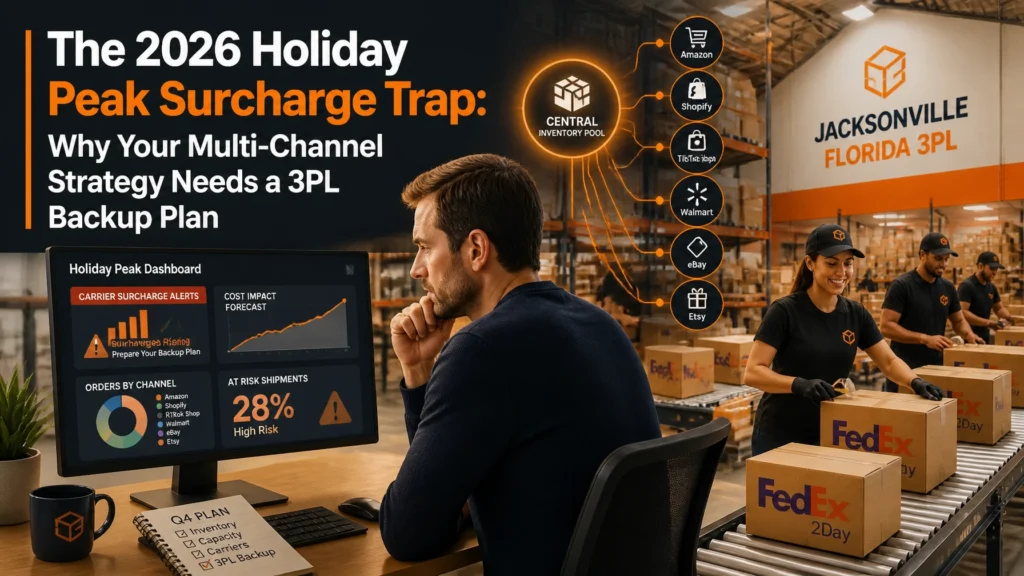
Holiday carrier surcharges, Amazon FBA peak fees, higher storage rates, and marketplace stockouts can damage Q4 profitability. This practical guide explains the 2026 peak environment and shows why sellers relying on one fulfillment channel face greater risk. Learn how to pre position inventory, establish same day shipping cutoffs, use FedEx 2Day, and rebalance stock across Amazon, Shopify, TikTok Shop, Walmart, eBay, and Etsy. FBMFulfillment provides a Jacksonville based 3PL solution with one inventory pool, no onboarding fees, no minimums, and dependable multichannel support.
Stop Getting Ghosted: The No-BS Guide to 3PL Communication
This post exposes why traditional 3PL communication fails and how we use 24/7 WhatsApp access and direct owner availability to keep your business moving. We prioritize radical transparency in invoicing and operations, proving that the best 3rd party fulfillment services don’t hide behind tickets—they use high-tech systems to eliminate the need for constant hand-holding while staying reachable when it truly matters.
How to Read a “Best 3PL” List Without Getting Played

Those “free to brands” 3PL matching ads are not doing you a favor. This article breaks down how 3PL referral agencies use hooks like “match in minutes” and “compare vetted 3PLs by location and expertise” to disguise a pay to play model built on 10 to 15 percent commissions. We also explain the difference between a referral agency and a strategic alliance like Ecommerce Fulfillment Alliance, where invitation only, peer vetted warehouse operators deliver concierge level service, local accountability, and national shipping zone savings without the matchmaking fees.
Amazon AWD Vs. FBMFulfillment: Which Is Better for Your Multi-Channel Margins?
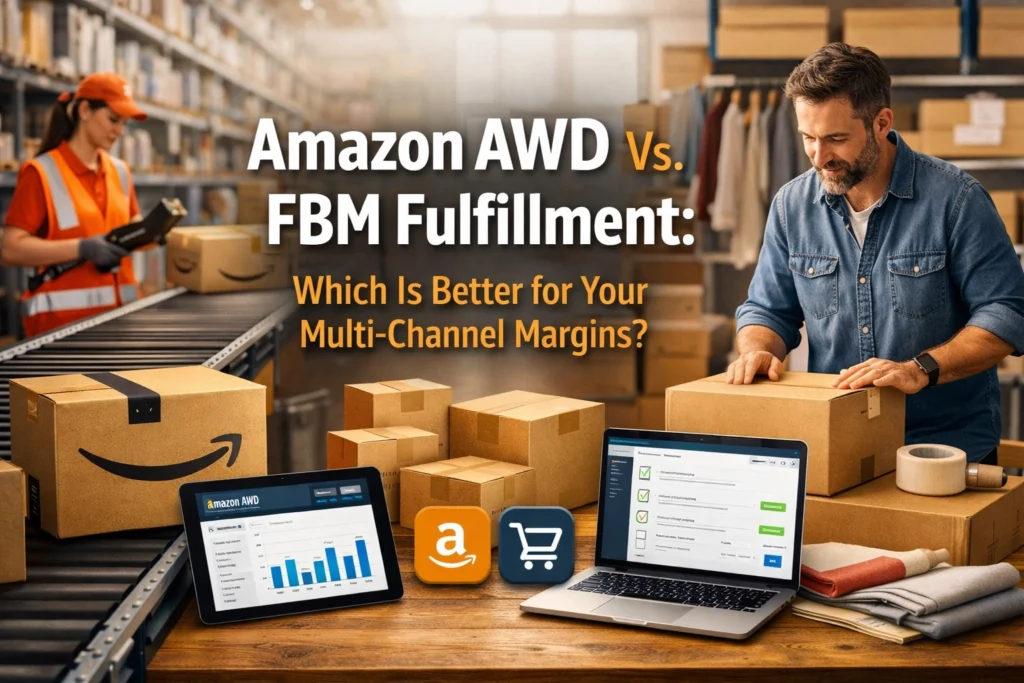
Amazon AWD is a “walled garden” that can quickly turn into “Amazon Jail.” While automatic FBA replenishment sounds easy, the hidden fees—like $1.35 per box handling and 5% surcharges for neutral packaging—eat your profits. We compare AWD’s restrictive ecosystem to our independent FBA Drip-Feed model. With FBMFulfillment, you maintain 100% possession control and a single inventory pool for all channels. Our “Daily Wins” storage (no snapshot traps) and neutral carriers ensure you can pivot instantly if Amazon suspends your account, keeping your Shopify and TikTok sales alive.
Death by a Thousand Fees: A Checklist to Audit Your Current 3PL’s Monthly Statement
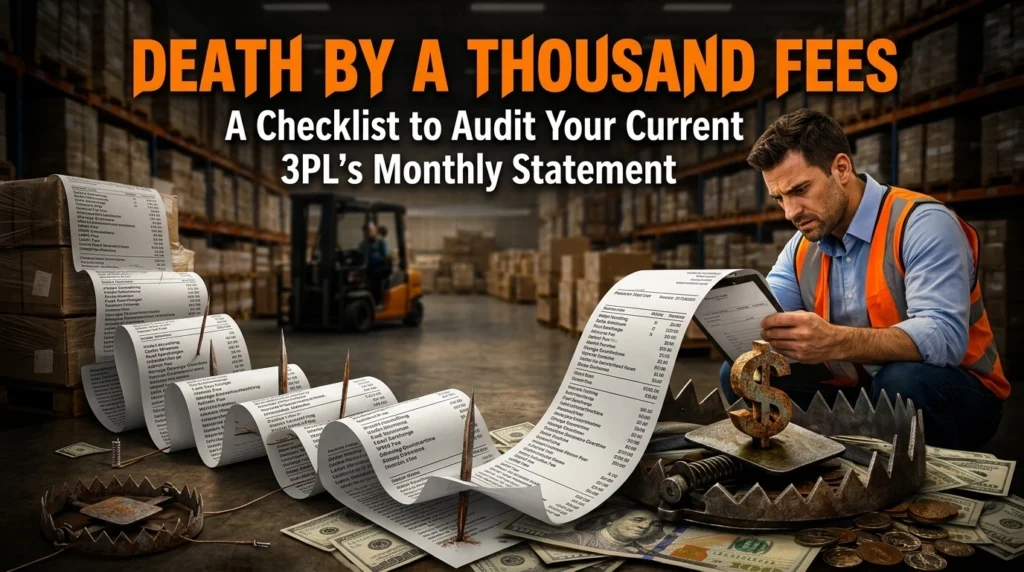
Stop paying for air. Your 3PL is likely overcharging you through “Ghost Space” and predatory billing. Use this checklist to audit your invoice and regain your margins today.
Confessions of an Ex-Hostage: Why we killed onboarding fees and long-term contracts (and why your current 3PL won’t)
In this industry exposé, FBMFulfillment.com CEO John Polidan reveals the “Hostage Strategy” used by traditional 3PLs to trap e-commerce sellers. From predatory $5,000 onboarding fees to ironclad 12-month contracts, most fulfillment providers prioritize their own bottom line over seller growth. Polidan explains why FBMFulfillment broke the mold by eliminating setup fees and long-term commitments, shifting the power back to the brand owners. Learn how to identify “Sunk-Cost Traps” and why a service-based partnership is the only way to scale a modern multichannel business without losing control of your inventory or your margins.