
Stop Paying for Air: The Daily Proration vs. Monthly Storage Fee Snapshot Scam
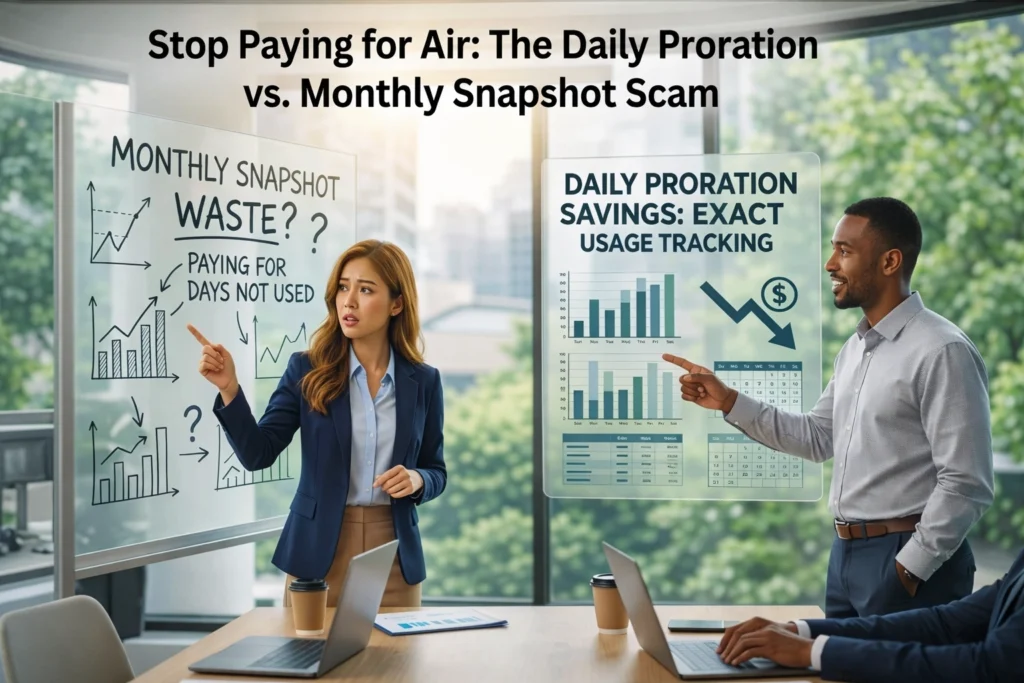
Many ecommerce sellers using pick and pack fulfillment services never realize how much storage billing impacts profitability until the invoice shows up. This article explains the monthly snapshot scam, where 3PLs charge based on a single inventory count instead of actual daily usage. That means you keep paying for space long after products have already shipped. We break down the math, the warning signs, and the questions you need to ask before signing with any provider. If you want pick and pack fulfillment services that protect your margins, daily proration and same day fulfillment are the standard you should demand.
Why 3PL Onboarding Fees are a Red Flag: Don’t Get Trapped

Many 3PL providers use high onboarding fees (ranging from $1,000 to $5,000) as a strategic “switching cost” to lock e-commerce sellers into long-term contracts. These fees create “integration debt,” making it financially painful for brands to leave even when service quality is poor. This article explores why these upfront charges are a major red flag, signaling a lack of confidence in performance. We compare this to FBMFulfillment’s performance-based model, which avoids predatory fees and focuses on daily prorated storage and transparent pricing to help sellers scale without getting trapped.
The “Cleveland Longitude” Secret: Jacksonville’s Logistics Cheat Code
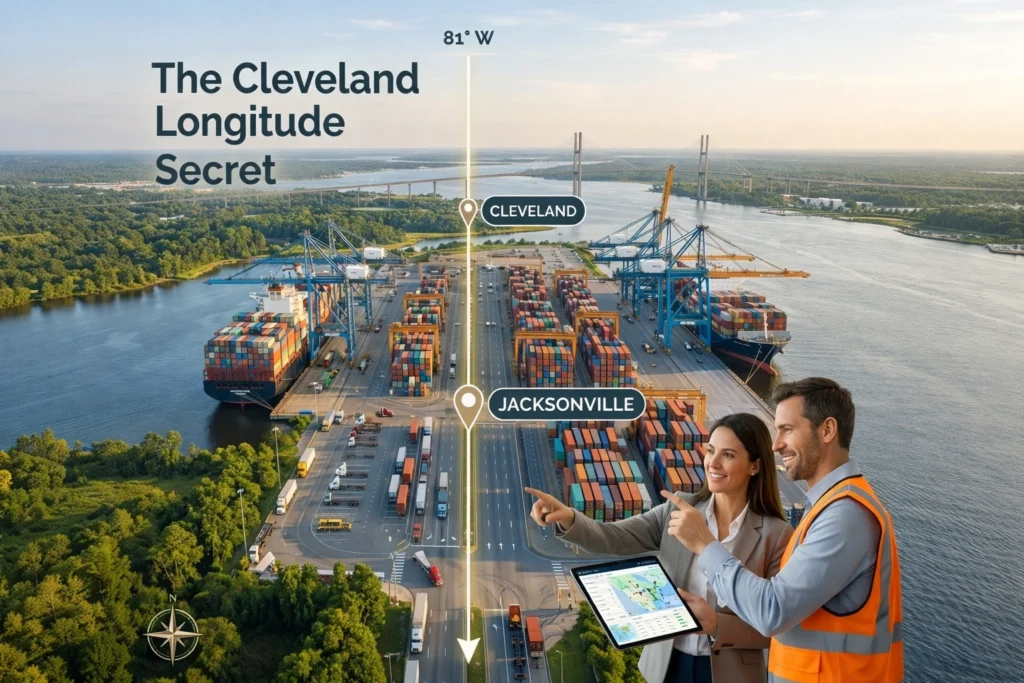
Looking for a 3pl jacksonville solution that actually improves speed, cost control, and inventory protection? This article breaks down why Jacksonville gives ecommerce brands a real logistics edge. You will see how the city’s unique longitude helps reduce wasted miles, why South Florida creates a costly peninsula trap, and how smarter storage billing protects your margins. We also cover onboarding fee red flags, hurricane risk advantages, and why a Jacksonville based operation can reach millions of consumers faster. If you want a more strategic 3pl jacksonville partner, this is the cheat code.
The 3PL Spectrum: From Corporate Giants to Fly-by-Night Startups : Every Type of Fulfillment Partner, Ranked by Risk
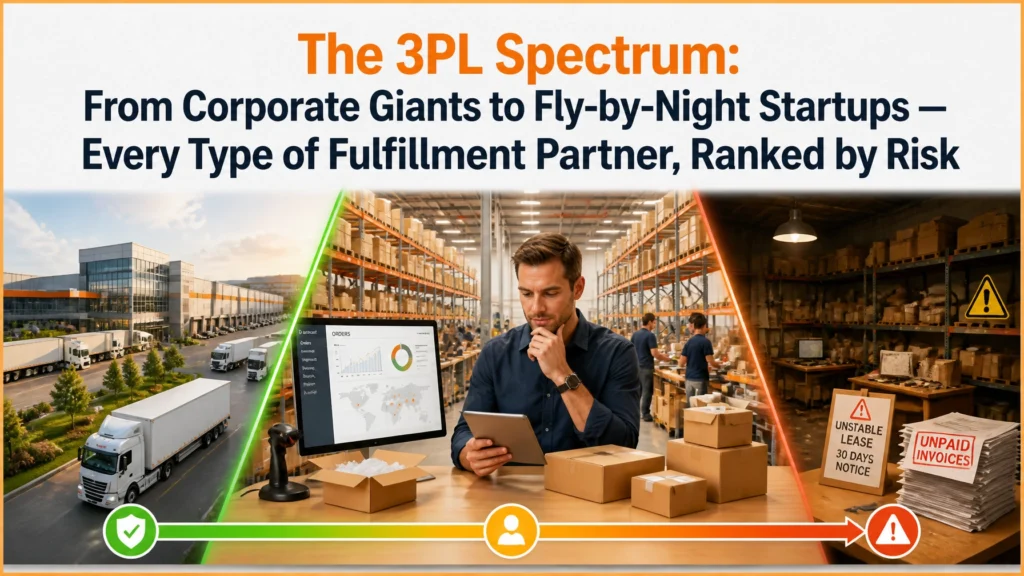
Your 3PL controls access to your inventory, customer experience, and shipping performance. This guide ranks six fulfillment provider types: from corporate logistics giants and venture-funded networks to marketplace fulfillment, specialist mid-market operators, asset-light brokers, and undercapitalized startups. You will learn how pricing, contracts, minimums, SKU limits, miscellaneous fees, client volume, and financial stability vary across the spectrum. The central lesson is blunt: the lowest quote can carry the highest inventory risk. Evaluate every 3PL for operational control, fee transparency, flexibility, delivery performance, returns management, and survival before you sign.
The 3PL Broker Trap: Why You’re Paying a 20% ‘Ghost Tax’ on Every Shipment

This article exposes the “3PL Broker Trap,” where ecommerce sellers unknowingly pay a “Ghost Tax” through hidden commissions, padded shipping, and marked-up storage when using middleman referral platforms instead of dealing directly with an asset-based warehouse. It breaks down the core 3PL middleman risks behind ad hooks like “pre vetted 3PL,” “real pricing in minutes,” “free matching,” and “backup plan,” and contrasts that with the Ecommerce Fulfillment Alliance model: a White Hat co op of independent, asset-based operators working together directly. The takeaway is simple: if you want national reach without broker markup, deal with the warehouse owners themselves, not a sales layer sitting in the middle.
The 28-Day Low-Stock Tax: How Amazon’s New Fees Are Forcing Sellers into Hybrid Fulfillment

Amazon’s “Low-Inventory-Level Fee” is a new reality for sellers, effectively taxing those who keep lean stock levels below a 28-day threshold. This “Low-Stock Tax” forces a difficult choice: pay high per-unit surcharges or risk overstocking and facing aged inventory fees. The most effective solution is a Hybrid Fulfillment model. By using a 3PL like FBMFulfillment.com as a central hub, sellers can “drip-feed” inventory to FBA to stay in the fee-free “Goldilocks zone” while maintaining the flexibility to fulfill orders across Shopify, TikTok, and Walmart from a single inventory pool.