
Best small business fulfillment partners for Amazon FBM sellers
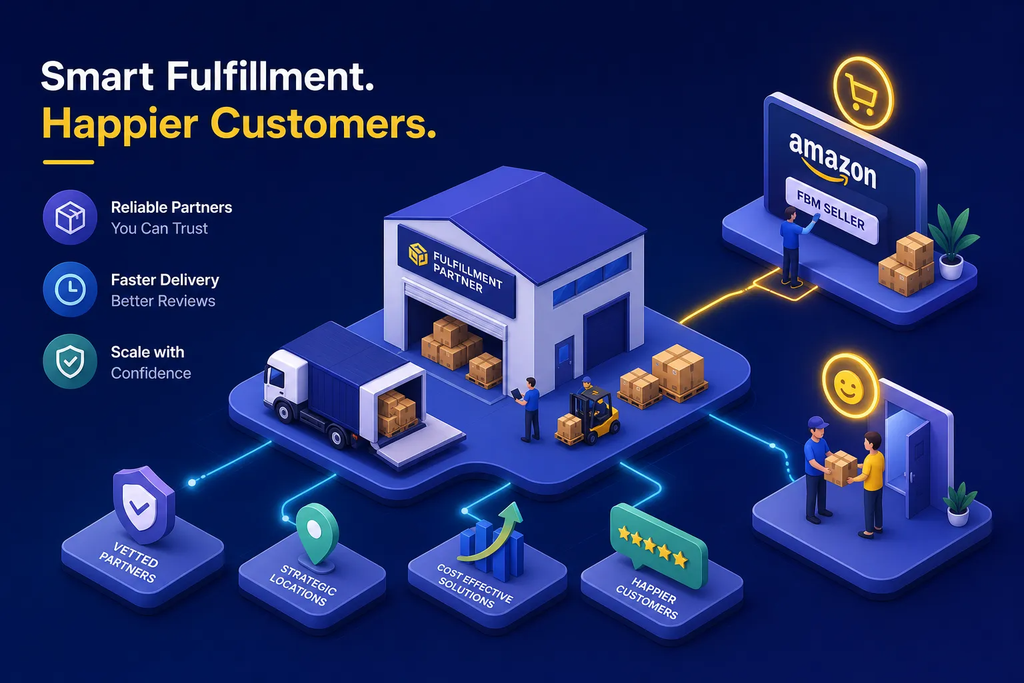
Small business fulfillment for Amazon FBM sellers can quickly become a bottleneck, impacting shipping speed and accuracy. As your order volume grows, the costs of in-house fulfillment can spiral, making it crucial to recognize when to outsource. This article explores the cost comparison between in-house and 3PL fulfillment, revealing how the right partner can cut costs, protect your seller metrics, and free up your time. Discover the key factors to consider when choosing a fulfillment partner and learn how to evaluate providers effectively to ensure your business scales efficiently without compromising on service quality.
USPS Missing Mail: Your Client Reports a Lost Package, What Now?
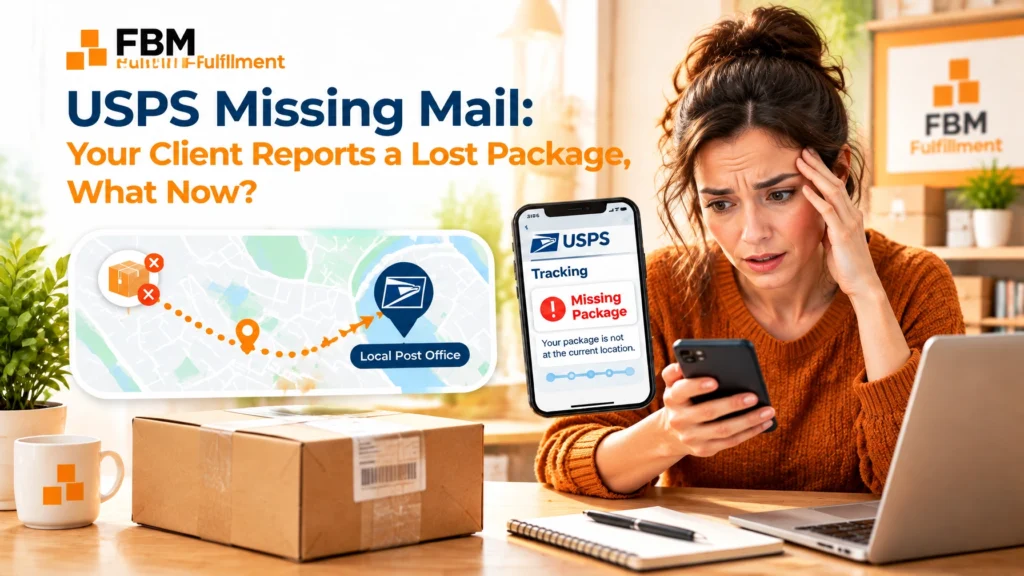
A client reports a lost package, and now you need the right diagnosis before you file anything. Learn when to use a Missing Mail Search, Help Request Form, or USPS indemnity claim; how to escalate a Delivered Not Received scan using local supervisor and GPS data; and who has standing to file when Amazon, TikTok, or a 3PL purchased the label. This guide also explains USPS domestic claim windows, DHL eCommerce Max and U-PIC handoffs, the 21-day and 90-day DHL timing rules, denied-claim responses, porch piracy, misdelivery, and fraudulent buyer claims.
UPS and FedEx Lost Package: Your Client Reports a Lost Package, What Now?
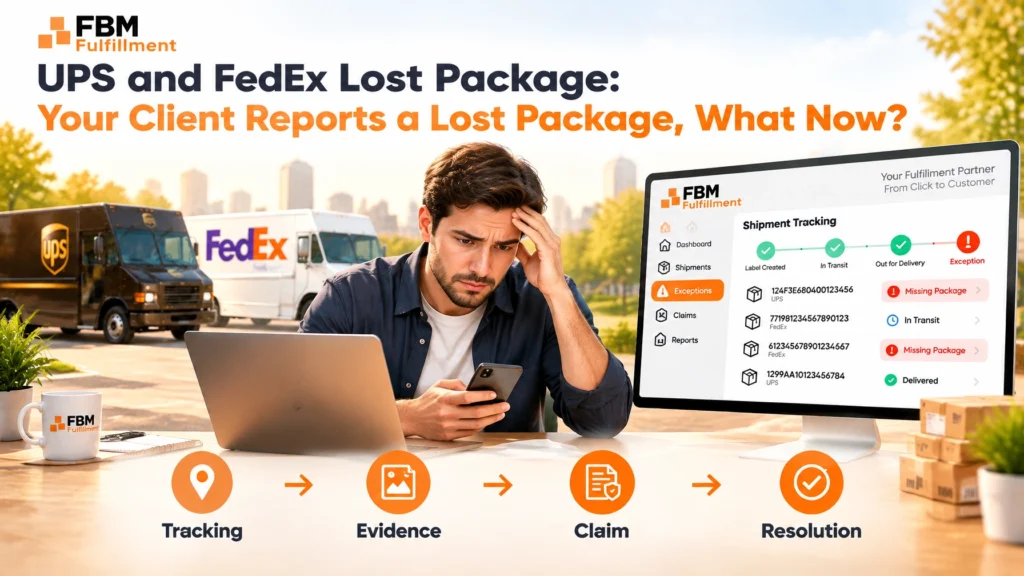
Your client reports a UPS lost package or FedEx missing package, and you need fast diagnosis and disciplined documentation. Learn how to distinguish lost-in-transit shipments from misdelivery, porch piracy, fraudulent claims, and damage cases. This guide explains who can file, why the sender or label purchaser and receiver or addressee are the key parties with standing, and how Amazon Buy Shipping, TikTok Buy Shipping, and 3PL-purchased labels change the process. Review UPS and FedEx claim windows, delivery-location evidence, signature options, proof-of-value requirements, and the operational steps that protect seller margins.
Amazon Missing Package: How to Handle and Avoid A-to-Z Claims
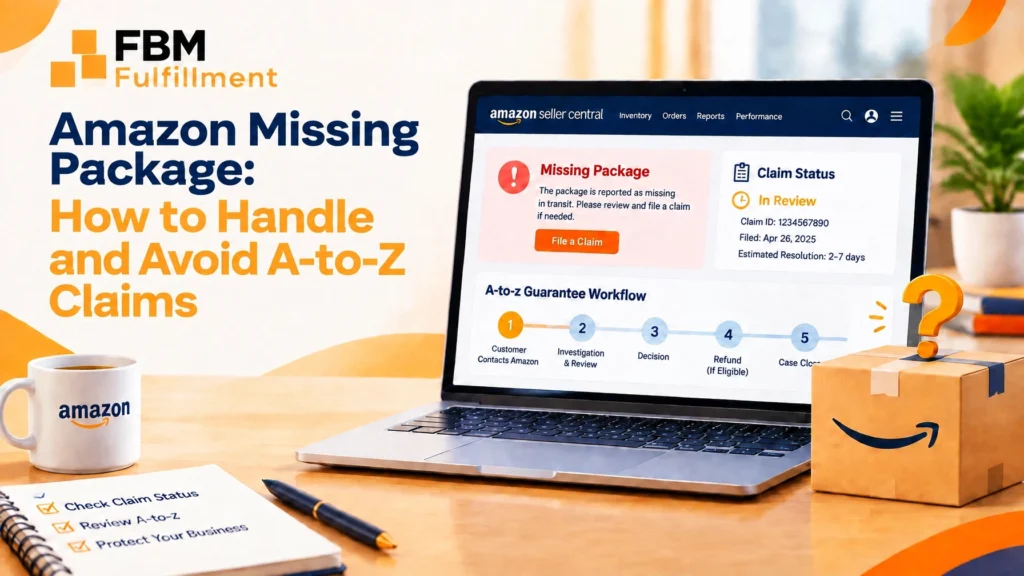
Amazon missing package issues become far more manageable when you know how to handle and avoid A-to-z claims before they turn into seller-funded losses. This guide explains FBA reimbursement timing, Amazon Buy Shipping Claims Protected, and the SAFE-T claim path when the seller must prove delivery with carrier evidence. Learn who has standing to file a carrier claim, what documentation Amazon reviews, which deadlines apply, and how sellers reduce losses caused by misdelivery, post-delivery theft, and documented buyer-claim patterns.
The Best 3PL for Small Business: The Policies That Turn a Fulfillment Partner Into a Launch Pad
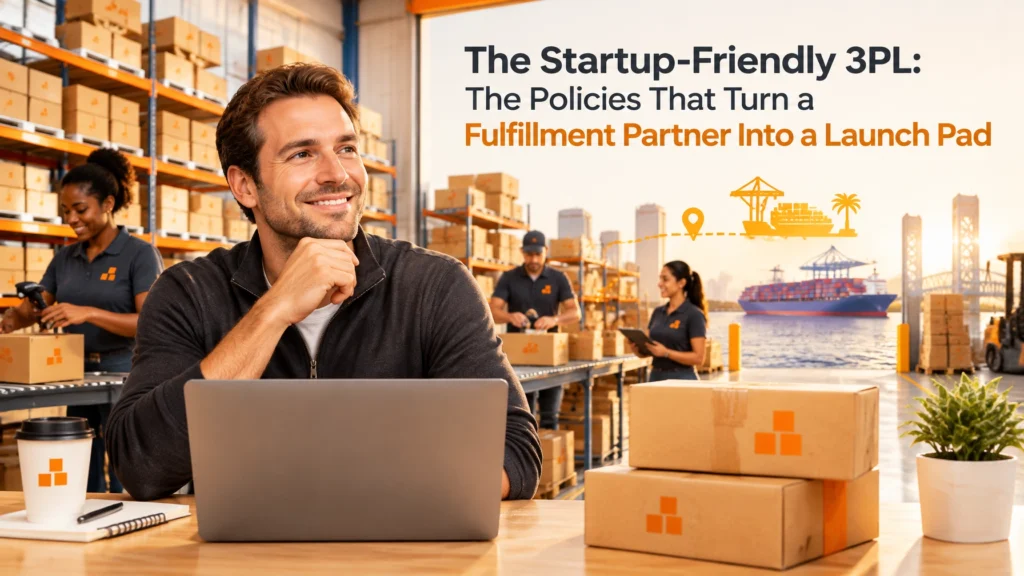
Most 3PLs are not designed for early-stage ecommerce sellers. Only an estimated 3% to 5% accept startups because new accounts require resources before they generate predictable volume. FBMFulfillment takes a different approach with minimums waived for 12 months, no onboarding fee, month-to-month terms, competitive shipping rates, optional coaching, strategic Jacksonville operations, world-class technology, and post-pay invoicing. We are startup-friendly but selective because we succeed only when you succeed. Bring a well-thought-out plan and reasonable expectations, and your fulfillment partner can become a launch pad for long-term growth.
Why Amazon Sellers Fail: Top 10 Reasons New Sellers Go Broke
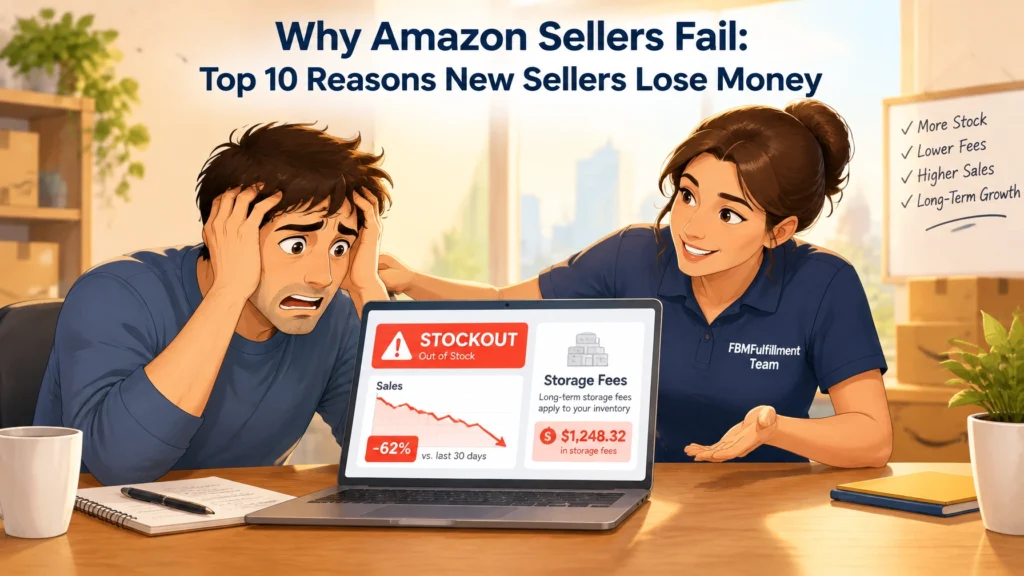
New Amazon sellers rarely lose money because of one isolated mistake. More often, weak product differentiation, thin margins, poor quality control, an unprepared launch, excessive FBA inventory, stockouts, cash flow gaps, and policy failures compound into a serious loss. This guide explains the ten operational reasons new sellers struggle and provides practical solutions for protecting landed cost, managing lead times, controlling MOQ exposure, maintaining inventory across channels, and preserving fulfillment flexibility. Learn how a disciplined 3PL strategy and FBMFulfillment’s FBA Replenishment Module can help you avoid preventable mistakes and build a more durable Amazon business.