
The 3PL Broker Trap: Why You’re Paying a 20% ‘Ghost Tax’ on Every Shipment

This article exposes the “3PL Broker Trap,” where ecommerce sellers unknowingly pay a “Ghost Tax” through hidden commissions, padded shipping, and marked-up storage when using middleman referral platforms instead of dealing directly with an asset-based warehouse. It breaks down the core 3PL middleman risks behind ad hooks like “pre vetted 3PL,” “real pricing in minutes,” “free matching,” and “backup plan,” and contrasts that with the Ecommerce Fulfillment Alliance model: a White Hat co op of independent, asset-based operators working together directly. The takeaway is simple: if you want national reach without broker markup, deal with the warehouse owners themselves, not a sales layer sitting in the middle.
The 2026 Holiday Peak Surcharge Trap: Why Your Multi-Channel Strategy Needs a 3PL Backup Plan
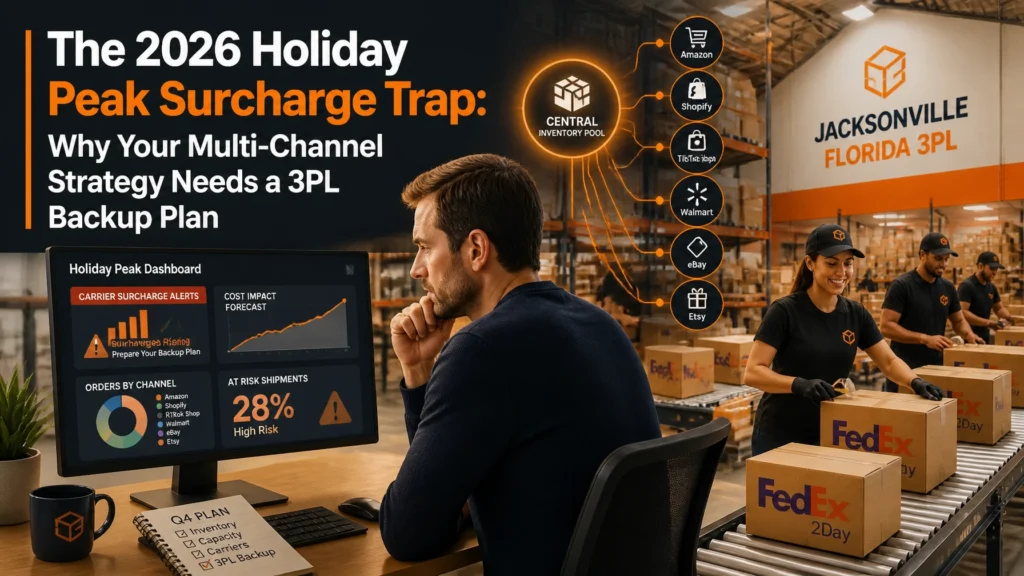
Holiday carrier surcharges, Amazon FBA peak fees, higher storage rates, and marketplace stockouts can damage Q4 profitability. This practical guide explains the 2026 peak environment and shows why sellers relying on one fulfillment channel face greater risk. Learn how to pre position inventory, establish same day shipping cutoffs, use FedEx 2Day, and rebalance stock across Amazon, Shopify, TikTok Shop, Walmart, eBay, and Etsy. FBMFulfillment provides a Jacksonville based 3PL solution with one inventory pool, no onboarding fees, no minimums, and dependable multichannel support.
Stop Getting Ghosted: The No-BS Guide to 3PL Communication
This post exposes why traditional 3PL communication fails and how we use 24/7 WhatsApp access and direct owner availability to keep your business moving. We prioritize radical transparency in invoicing and operations, proving that the best 3rd party fulfillment services don’t hide behind tickets—they use high-tech systems to eliminate the need for constant hand-holding while staying reachable when it truly matters.
Amazon, TikTok, and Shopify walk into a warehouse: Why They All Need the Same SKU

SKU consistency is the glue of multi-channel e-commerce. Inconsistent naming across Amazon, TikTok, and Shopify leads to “false backorders,” overselling nightmares, and unnecessary manual mapping fees. This post explains why the Amazon SKU is “set in stone” and how to use the “-FBM” suffix solution to manage hybrid fulfillment successfully. By standardizing your SKUs, you ensure that every sale—whether from a viral TikTok trend or a Shopify subscription—deducts from the same physical inventory pool. Stop fighting your WMS and start syncing your empire like a Swiss watch.
Returnly Just Collapsed : 400+ DTC Brands Lost Their Returns Platform Weeks Before Q4. Here’s What to Do
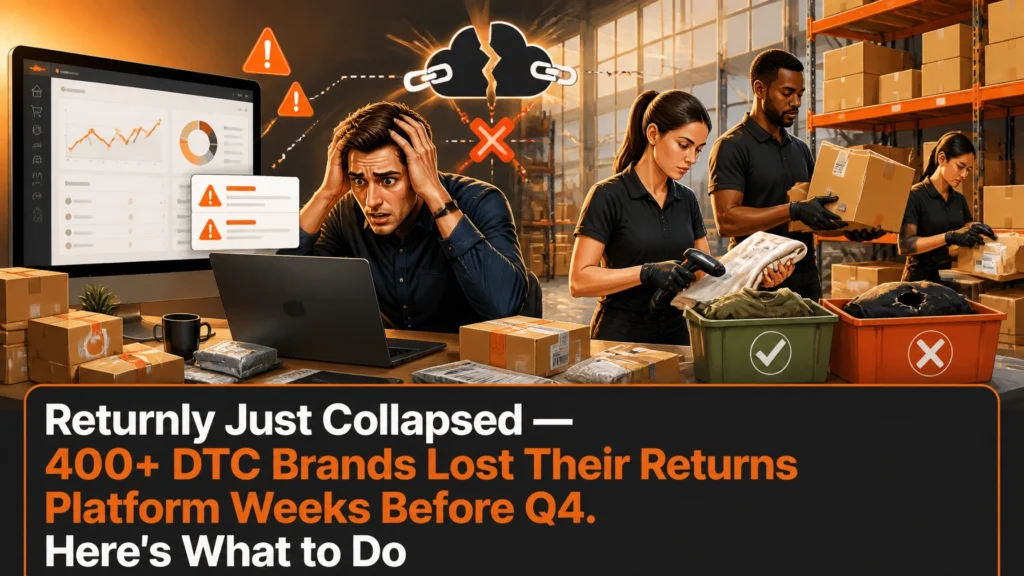
Returnly’s June 2026 shutdown left roughly 400 to 600 midmarket Shopify merchants scrambling to replace a critical returns platform just weeks before Q4. The crisis arrives as ecommerce returns rise 18% to 24% above the same period in 2025 and reverse logistics capacity tightens. This article explains what affected brands should do now, why a software migration is not enough, and how a reliable 3PL can provide inspection, restocking, defective item control, and multi channel inventory possession when a fintech vendor disappears.
How to Read a “Best 3PL” List Without Getting Played

Those “free to brands” 3PL matching ads are not doing you a favor. This article breaks down how 3PL referral agencies use hooks like “match in minutes” and “compare vetted 3PLs by location and expertise” to disguise a pay to play model built on 10 to 15 percent commissions. We also explain the difference between a referral agency and a strategic alliance like Ecommerce Fulfillment Alliance, where invitation only, peer vetted warehouse operators deliver concierge level service, local accountability, and national shipping zone savings without the matchmaking fees.