
Best 3PL Fulfillment Companies for Small Businesses in the US
Choosing a fulfillment partner is a long-term business decision, not a search for the lowest warehouse rate. This guide explains how small ecommerce sellers can compare 3PLs by pricing, minimums, integrations, location, same-day processing, delivery speed, returns, and contract flexibility. Learn why most 3PLs reject small accounts, which startup-friendly policies matter, how to audit a sample invoice, and how to build a productive relationship with a fulfillment provider. FBMFulfillment offers waived minimums for 12 months, no onboarding fee, month-to-month terms, enterprise-level rates, Jacksonville operations, multichannel technology, FBA replenishment support, and post-pay invoicing.
The Ultimate Guide to Post De Minimis Fulfillment: How to Pivot Before Your Margins Vanish
The “golden age” of duty-free direct shipping is over. With the suspension of De Minimis (Section 321) benefits, sellers shipping individual parcels from overseas are facing a “logistical extinction event” of high tariffs and customs delays. This guide provides the blueprint for the strategic pivot: moving from risky direct-to-consumer air mail to high-performance domestic bulk fulfillment. By importing in bulk and utilizing a US-based 3PL like FBMFulfillment, you protect your margins, bypass the “De Minimis death knell,” and leverage 2-day delivery as a competitive weapon. Adapt your supply chain now before your margins hit zero.
5 Steps to Sync Your Inventory Across 5+ Channels (Easy Guide for Multichannel Sellers)
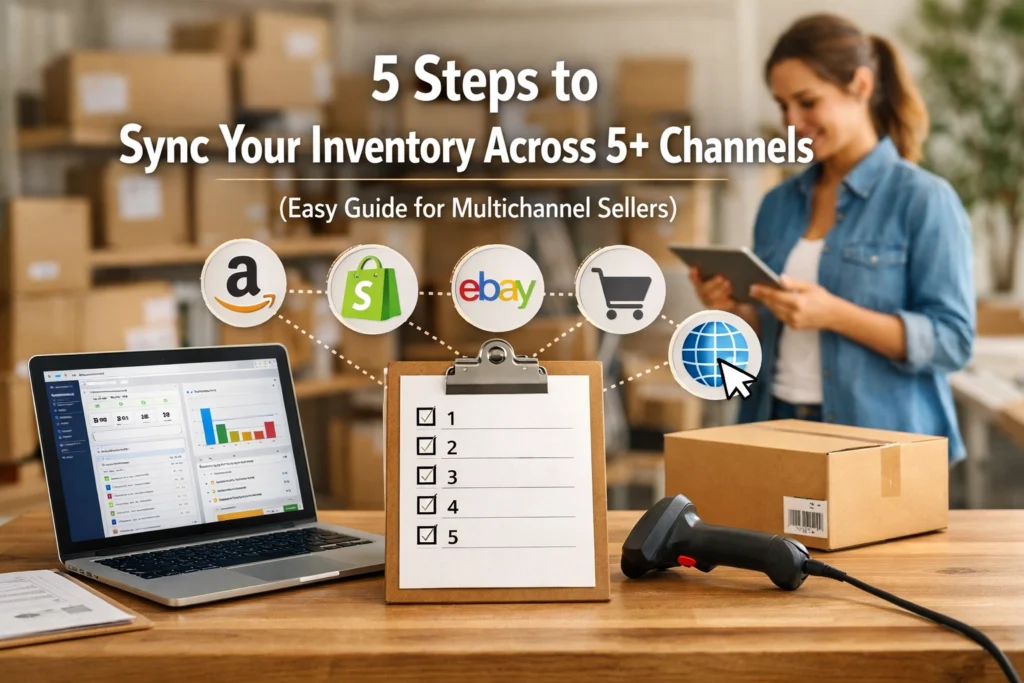
Selling on Shopify, Amazon, TikTok, and Walmart is great—until your inventory gets out of sync. Manual updates are a “catastrophic risk” to your reputation. Our 5-step guide helps you kill the spreadsheets and move to a centralized WMS. Learn the “SKU Golden Rules” for uniformity across platforms and the importance of real-time syncing over slow “batch” updates. By using FBMFulfillment as your central hub, you keep 100% of your stock in a single inventory pool, preventing overselling and ensuring you never have “dead stock” trapped in a silo.
Looking for B2B Order Fulfillment Services? 5 Things You Should Know to Scale Wholesale in 2026
Moving from DTC to wholesale is a massive leap in complexity. This post highlights five essentials for scaling B2B, from mastering freight (pallets over parcels) to using high-end tech like Unit of Measure (UOM) and License Plate Number (LPN) tracking. We expose the “chargeback trap” caused by rigid retailer routing guides and explain how our “Double-Scan Standard” ensures 100% accuracy. Plus, see how our direct Amazon FBA replenishment technology automates your drip-feed, keeping your business lean and protected from Amazon’s shifting rules and expensive storage fees.
Can Warehouses Ship Internationally? What Sellers Need

Can warehouses ship internationally without creating costly delays? Learn what ecommerce sellers need from a 3PL, customs, carriers, and control daily.
AI and the Ecommerce Entrepreneur: How Smart Tools Cut Startup Costs and Risk in 2026
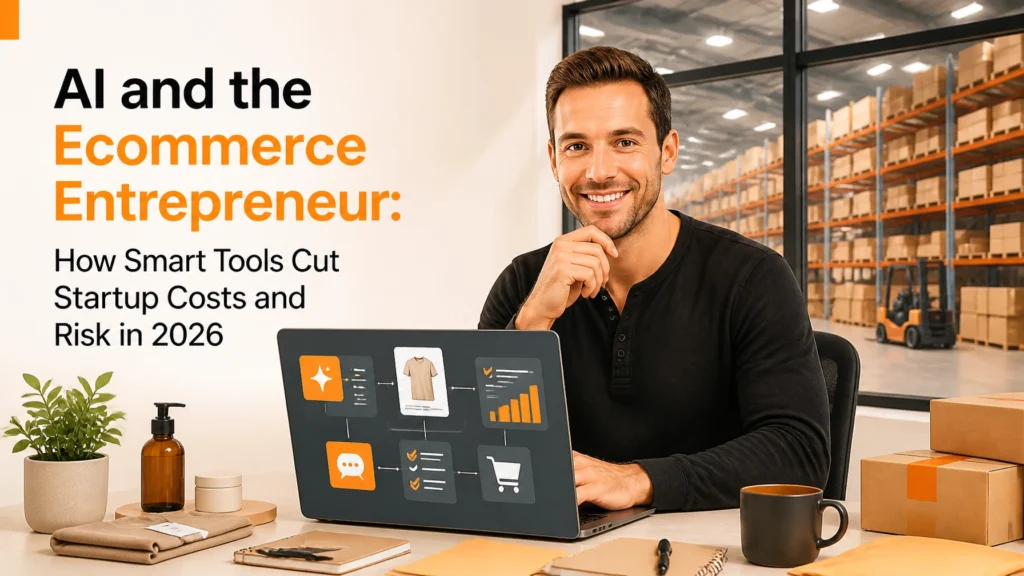
AI is helping lean founders launch faster by improving research, sourcing, websites, customer service, legal drafting, social media, and content without the cost of a full team. This article explains the difference between chat-first tools like ChatGPT and Claude and agentic AI platforms like Marblism, including why Rachel’s 24/7 phone support and a second AI opinion can reduce operational risk. It also shows where human review is still mandatory and why FBMFulfillment remains the physical execution layer for receiving, storing, packing, shipping, and returns.