
Are Direct from China Shipments Dead? The Truth About the De Minimis Crackdown
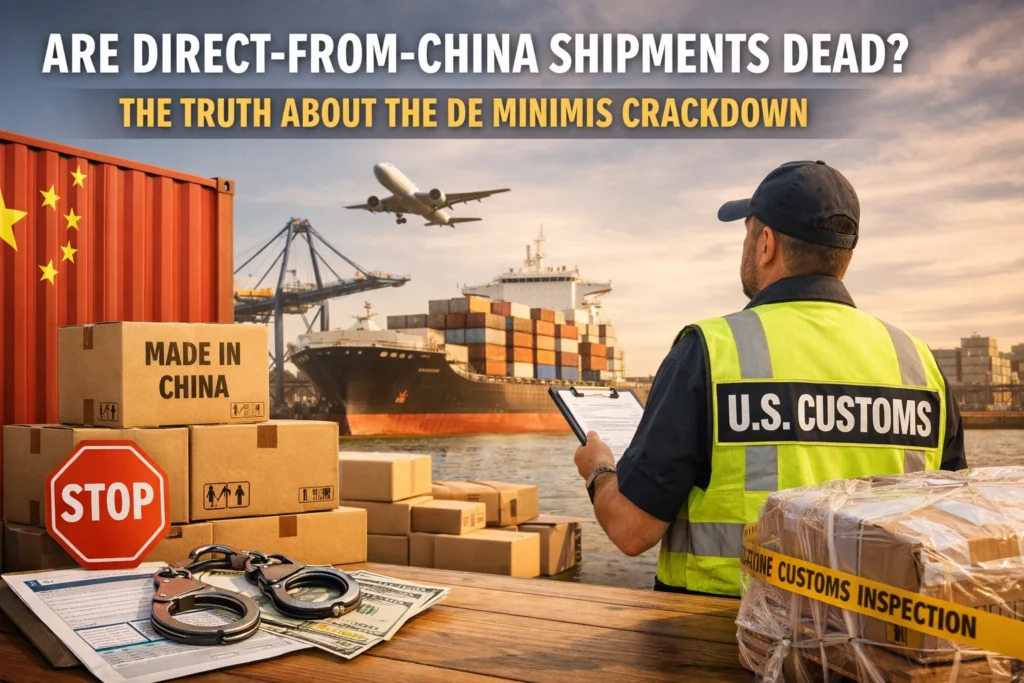
The “glass half full” view of direct-from-China shipping has shattered. The U.S. government’s crackdown on Section 321 has nuked the “cheap air freight” model, replacing it with catastrophic margin erosion and month-long customs delays. This deep dive explores why Uncle Sam pulled the plug and how the “One Big Beautiful Bill Act” effectively repeals duty-free small packages. For brands wanting a sustainable future, domestic fulfillment is the only way forward. Move your inventory stateside to FBMFulfillment.com, secure your margins with bulk ocean freight, and get 2-day delivery back on the table for your customers.
7 Reasons Your 3PL Might Collapse (And How to Spot Them Before It’s Too Late)
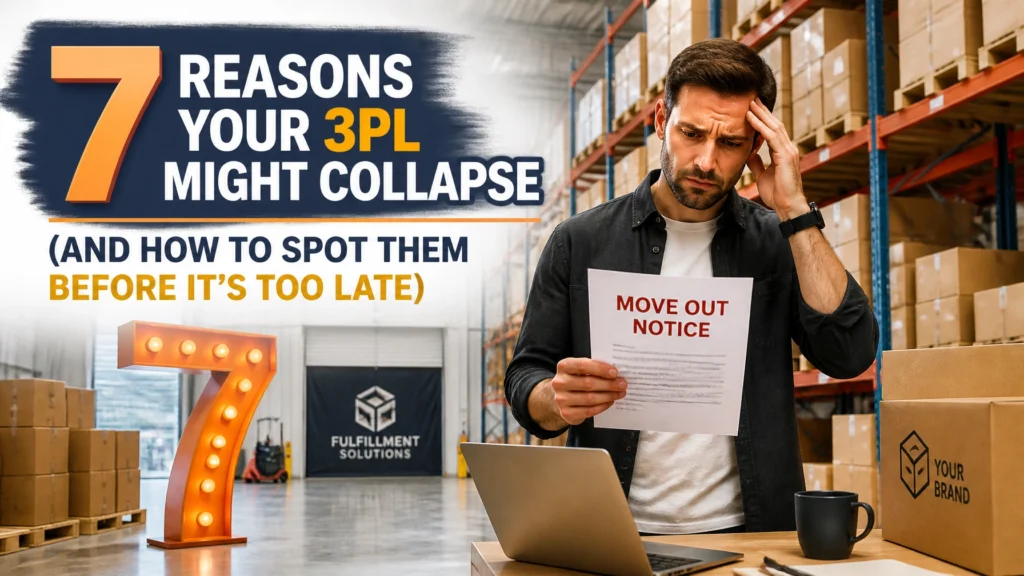
A founder recently got a 21 day move out notice after their warehouse provider shut down. Brutal. This article breaks down the seven real reasons 3PLs fail: lost leases, too much overhead, over reliance on a few large clients, bank loan pressure, poor management, labor issues, and client payment risk. It also covers the surge of unvetted pop up 3PLs, the danger of unproven startups, the low price and bait and switch pricing traps, and what happens if a warehouse goes dark and your inventory becomes inaccessible. More importantly, it shows what stability signals to vet, from operating tenure and references to BBB complaints and operational discipline, so you do not get trapped in someone else’s collapse.
AI Is Changing How Sellers Shop for a 3PL: The Good, the Bad, and How to Get the Relationship Right
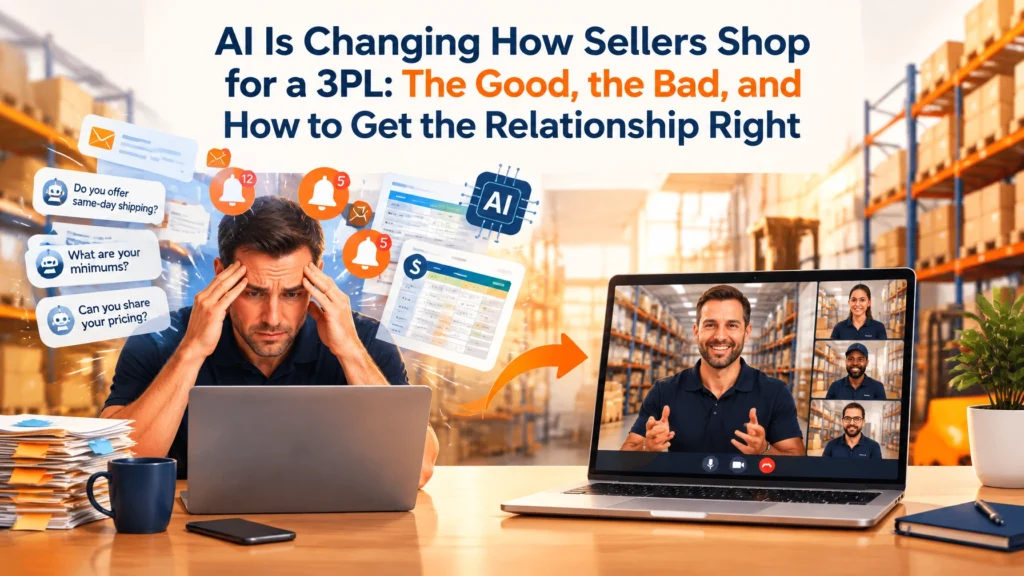
Choosing a 3PL is not like buying a commodity. It is closer to choosing a long-term business partner. This article explains how AI can help you prepare, where AI-assisted outreach creates turnoffs, and what attracts strong fulfillment partners instead. You will learn why endless questions, ignored answers, premature rate-card demands, and AI-generated contract arguments can damage the relationship early. You will also see why smart follow-ups, humility, operational clarity, and a real video conversation create better matches, stronger trust, and more sustainable ecommerce growth.
3PL Contract Evaluation for Ecommerce Sellers

A 3PL contract evaluation helps ecommerce sellers expose hidden fees, protect inventory, define service levels, and avoid costly fulfillment failures early
Best 3PL Fulfillment Companies for Small Businesses in the US
Choosing a fulfillment partner is a long-term business decision, not a search for the lowest warehouse rate. This guide explains how small ecommerce sellers can compare 3PLs by pricing, minimums, integrations, location, same-day processing, delivery speed, returns, and contract flexibility. Learn why most 3PLs reject small accounts, which startup-friendly policies matter, how to audit a sample invoice, and how to build a productive relationship with a fulfillment provider. FBMFulfillment offers waived minimums for 12 months, no onboarding fee, month-to-month terms, enterprise-level rates, Jacksonville operations, multichannel technology, FBA replenishment support, and post-pay invoicing.
When to Use Regional Warehouses for Ecommerce
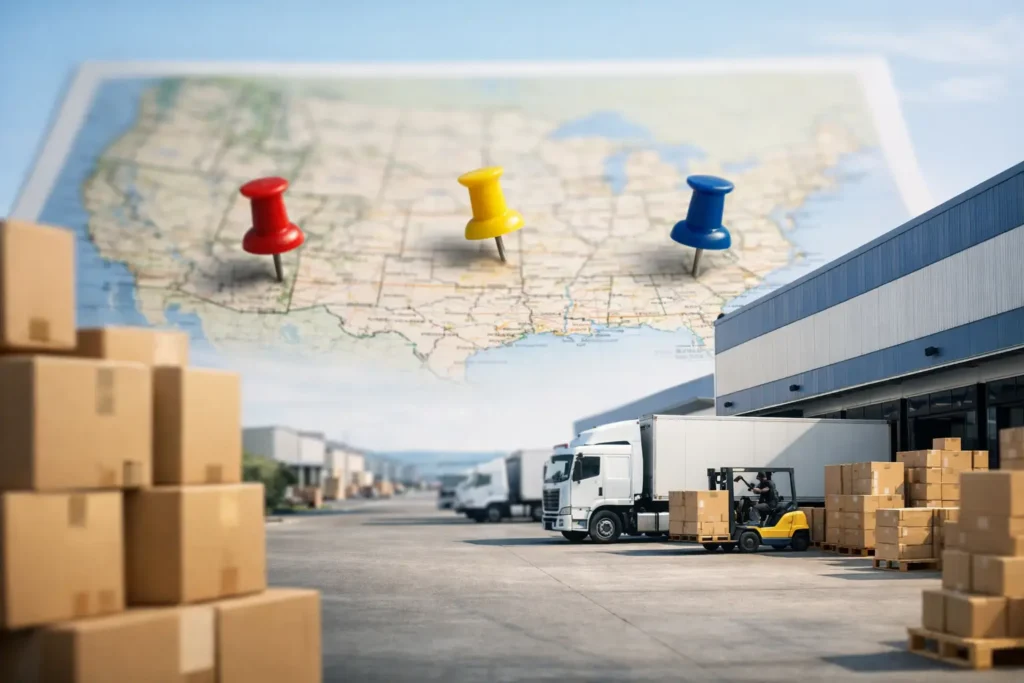
Learn when use regional warehouses makes sense for ecommerce, balancing faster delivery, inventory control, freight costs, and margin protection at scale.