Skip to content
+1 (904) 530-9694
sales@fbmfulfillment.com
Facebook-f
Solutions
Growing Ecommerce Brands
Amazon + Shopify Multi-Channel Fulfillment
International Brands Seeking US Fulfillment
Bad 3PL Experience? : Let’s Talk!
For Brands Outgrowing Their Warehouse
Still Self-Fulfilling Orders
Multi-Node Fulfillment Network
Latest
3PL Pricing
Apparel
Customs & Freight
Ebay
Etsy
FBA
FBM
Multi-Channel (MCF)
Seller Insights & Growth
Shopify
SE Advantage
Technology
TikTok
Tips and Tricks
Walmart
Wholesale
Why FBMFulfillment
Home Page
Solutions
Growing Ecommerce Brands
Amazon + Shopify Multi-Channel Fulfillment
International Brands Seeking US Fulfillment
Bad 3PL Experience? : Let’s Talk!
For Brands Outgrowing Their Warehouse
Still Self-Fulfilling Orders
Multi-Node Fulfillment Network
Latest
3PL Pricing
Apparel
Customs & Freight
Ebay
Etsy
FBA
FBM
Multi-Channel (MCF)
Seller Insights & Growth
Shopify
SE Advantage
Technology
TikTok
Tips and Tricks
Walmart
Wholesale
Why FBMFulfillment
Home Page
Search
Search
Ecommerce Academy : Learn from Us - FBMFulfillment Posts
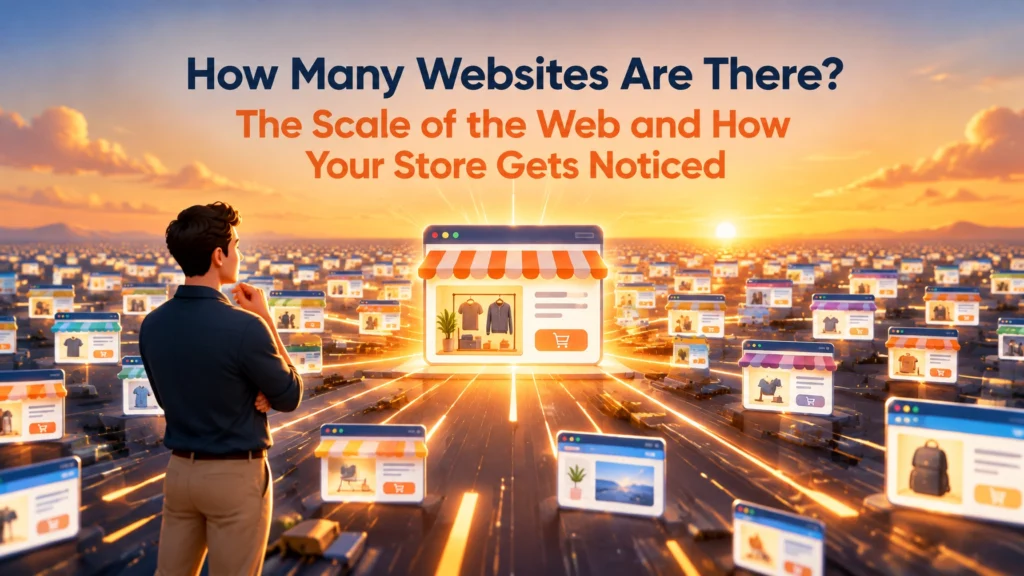
How Many Websites Are There & What are Impression? The Scale of the Web & How Your Store Gets Noticed
October 14, 2026
Seller Insights & Growth
,
Technology
,
Tips and Tricks
The web boasts over 1.5 billion websites, yet fewer than 200 million are active, and only a small fraction truly competes for your customers. For Shopify and WooCommerce sellers, the challenge lies not just in being online but in earning impressions that convert into sales. Discover how to navigate this vast digital landscape, understand the difference between impressions and clicks, and learn effective strategies to increase your store's visibility. From optimizing your SEO to leveraging social media and email marketing, find out how to turn your hard-earned traffic into loyal customers while ensuring your fulfillment meets expectations.
View Post
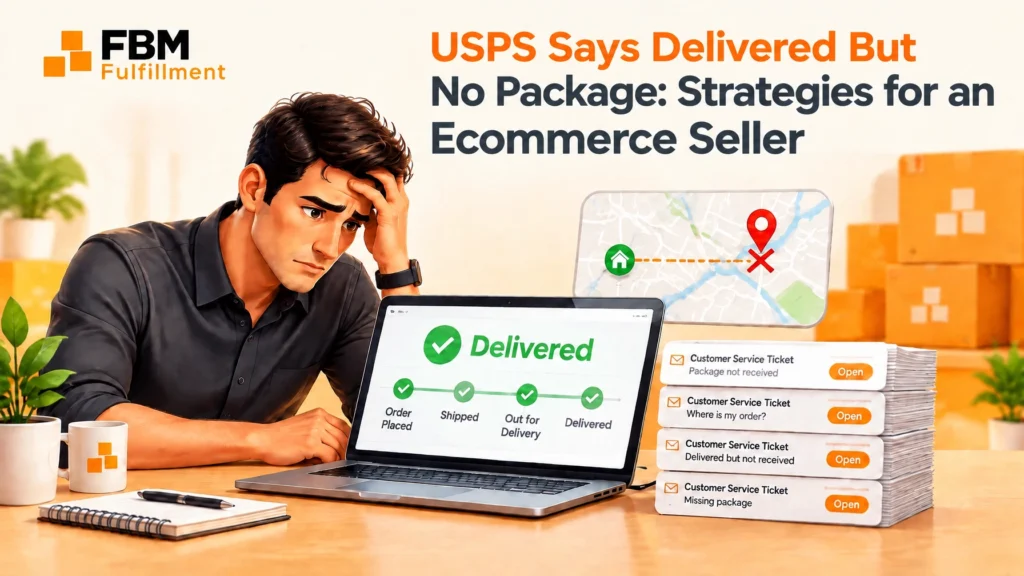
DNR-USPS Says Delivered But No Package: Strategies for an Ecommerce Seller
September 28, 2026
Ebay
,
Etsy
,
FBM
,
Seller Insights & Growth
,
Shopify
,
TikTok
,
Walmart
USPS Says Delivered But No Package: Strategies for an Ecommerce Seller explains that when usps says delivered but no package appears, the claim usually comes from one of three causes: carrier misdelivery, a fraudulent buyer claim, or porch piracy after a correct delivery. Each requires a different response. This streamlined hub shows sellers how to separate the cause, protect margin, and route the case to the right companion guide for USPS/DHL, UPS/FedEx, or Amazon. It also covers when to use third-party shipping insurance, when to require a signature, and how a self-insurance pool can support consistent decisions. The result is a practical 48-hour playbook for handling missing packages without unnecessary delay or duplicated process.
View Post
Best Fulfillment Solutions for Small Business and When to Outsource
October 2, 2026
Apparel
,
Ebay
,
Etsy
,
FBM
,
SE Advantage
,
Seller Insights & Growth
,
Shopify
,
Technology
,
TikTok
,
Walmart
View Post
Top Features to Look for in Order Fulfillment Companies for Small and Mid-Sized E-commerce Brands
October 2, 2026
Apparel
,
Ebay
,
Etsy
,
FBM
,
Seller Insights & Growth
,
Shopify
,
Technology
,
TikTok
,
Walmart
Choosing the right order fulfillment partner is a critical decision for small and mid-sized e-commerce brands, especially with the stakes so high. A bad 3PL can lead to slow delivery times, unexpected fees, and inadequate support during peak seasons. This article offers a practical framework to evaluate potential partners based on essential criteria like pricing transparency, warehouse coverage, and platform integrations. Discover how to avoid hidden costs and operational pitfalls, ensuring your fulfillment strategy aligns with your business needs. Whether you're an Amazon FBM seller or a multi-channel brand, understanding these factors can make all the difference in your success.
View Post
Best small business fulfillment partners for Amazon FBM sellers
October 2, 2026
FBM
Small business fulfillment for Amazon FBM sellers can quickly become a bottleneck, impacting shipping speed and accuracy. As your order volume grows, the costs of in-house fulfillment can spiral, making it crucial to recognize when to outsource. This article explores the cost comparison between in-house and 3PL fulfillment, revealing how the right partner can cut costs, protect your seller metrics, and free up your time. Discover the key factors to consider when choosing a fulfillment partner and learn how to evaluate providers effectively to ensure your business scales efficiently without compromising on service quality.
View Post
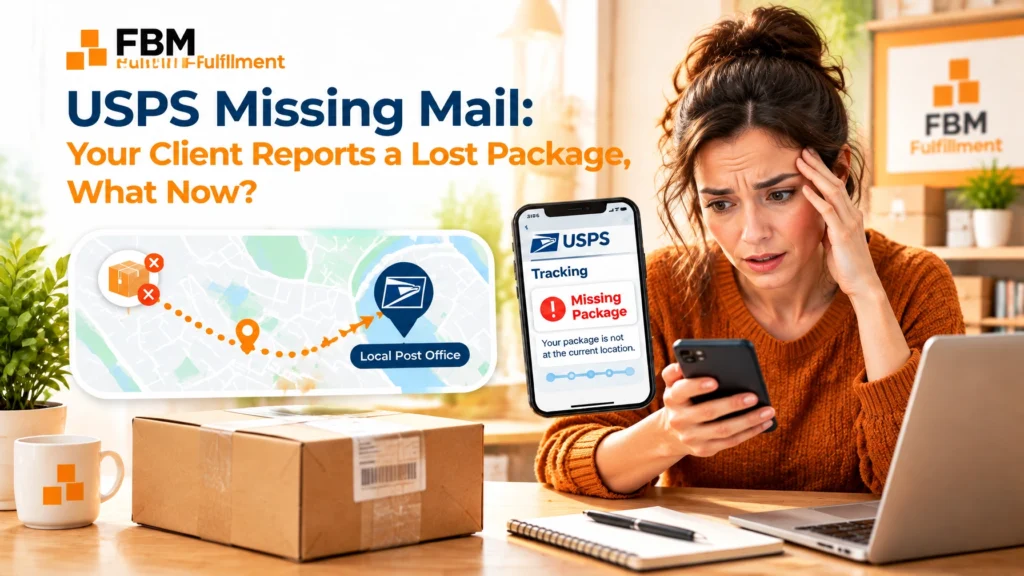
USPS Missing Mail: Your Client Reports a Lost Package, What Now?
September 28, 2026
Ebay
,
Etsy
,
FBM
,
Seller Insights & Growth
,
Shopify
,
TikTok
,
Walmart
A client reports a lost package, and now you need the right diagnosis before you file anything. Learn when to use a Missing Mail Search, Help Request Form, or USPS indemnity claim; how to escalate a Delivered Not Received scan using local supervisor and GPS data; and who has standing to file when Amazon, TikTok, or a 3PL purchased the label. This guide also explains USPS domestic claim windows, DHL eCommerce Max and U-PIC handoffs, the 21-day and 90-day DHL timing rules, denied-claim responses, porch piracy, misdelivery, and fraudulent buyer claims.
View Post
Previous
Page
1
Page
2
Page
3
Page
4
Page
5
Page
6
Page
7
Page
8
Page
9
Page
10
Page
11
Page
12
Page
13
Page
14
Page
15
Page
16
Page
17
Page
18
Page
19
Page
20
Next