
![[HERO] FBA vs. FBM: Which Products Win Where? (And How to Use Both)](https://cdn.marblism.com/aVtAFdBOHg0.webp)
If you’ve been selling on Amazon for more than ten minutes, you know the drill. Everyone tells you FBA (Fulfillment by Amazon) is the only way to scale. “Just send your stuff to Jeff and let him handle it,” they say. And look, for some products, FBA is a powerhouse. But for others? It’s a fast track to margin-suicide.
The landscape of ecommerce fulfillment changed drastically in 2025 and 2026. Amazon’s storage fees jumped again, their inbound placement fees are a headache, and the “Prime” delivery promise is starting to look a little shaky in certain regions.
At FBMFulfillment.com, we see the backend of thousands of orders. We know which SKUs thrive in the FBA ecosystem and which ones are much better off in a dedicated 3PL fulfillment center. The secret isn’t picking one or the other: it’s knowing how to play both sides.
1. The Fee Fight: Why FBA Fees Can Be a Margin Killer
Let’s talk numbers. FBA is essentially a “convenience” service, and you pay a premium for that. For a standard-sized, high-velocity item, the fee stack is manageable. But the moment you move outside that narrow “sweet spot,” the math falls apart.
In an FBA vs FBM comparison, you have to look at the total cost of ownership. FBA fees include:
- Referral fees: (Standard across the board).
- Fulfillment fees: Charged per unit (This is where they get you).
- Monthly storage fees: Which spike during Q4.
- Aged inventory surcharges: If your product sits for more than 180 days.
- Inbound placement fees: The “new” tax on getting your inventory into their system.
Contrast that with a fulfillment center like ours. We don’t penalize you for having a healthy stock level, and our fee structure is transparent. If you’re struggling to keep track of where your money is going, check out our deep dive on the profitability puzzle.
2. The Multi-Unit Order Trap
This is the single biggest reason to move certain products to FBM.
Imagine you sell a $15 supplement. If a customer buys one bottle, FBA takes their fulfillment fee (let’s say $5). But what happens when that same customer buys three bottles? Amazon charges you three fulfillment fees. That’s $15 in fulfillment costs for one box!
In the world of order fulfillment, this is insanity. At a professional 3PL, if a customer orders three units, we charge you one base fulfillment fee plus a small “pick fee” for the extra two items. Your shipping cost remains relatively similar because it’s still one package.
Best Solution: If your brand encourages “Stock up and save” or multi-unit bundles, FBM is your best friend. You can pass those savings to the customer or: better yet: keep them as profit.
3. Light Packages and High SKU Counts
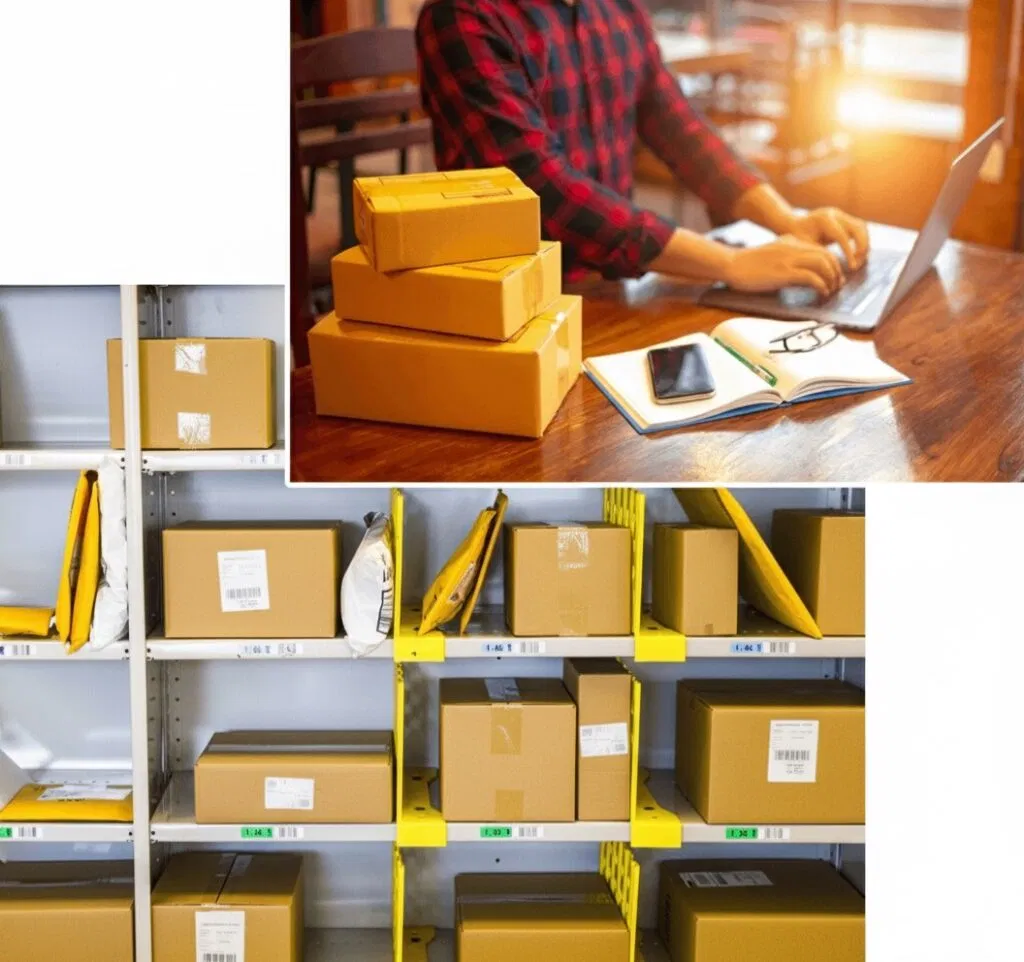
Are you a fashion brand with 500 different SKUs across various sizes and colors? Or maybe you sell lightweight items (under 16oz) that don’t move at lightning speed?
Amazon hates slow-moving inventory. Their system is designed for high-velocity “winners.” If you have a high SKU count where some items only sell a few times a month, FBA will bleed you dry with storage fees.
Working with a 3PL fulfillment partner allows you to maintain a wide catalog without the looming threat of “Aged Inventory” penalties. We handle the complexity of high-SKU counts with ease, giving you the freedom to offer variety without the financial overhead.
4. The “Insurance Policy”: The FBA/FBM Hybrid Strategy
One of the biggest risks to your Amazon business is the dreaded “Out of Stock” status. When your FBA inventory hits zero, your Best Seller Rank (BSR) tanks. Even worse, Amazon’s receiving docks are notorious for 2-week delays during peak seasons.
Adding to the complexity: Brand Registry changes the Buy Box game more than most sellers realize. Not in a “magic button” way. In a “you just removed a huge liability” way.
Here’s what Brand Registry actually does to your FBA vs. FBM strategy:
- Buy Box stability goes up. When you’re Brand Registered, you can lock down your listing content and reduce the chaos from hijackers and bad edits. That matters because a trashed detail page (wrong images, wrong variation theme, bad bullets) tanks conversion. Lower conversion = less Buy Box share. It’s that simple.
- Your Buy Box becomes less fragile during fulfillment flips. The FBA/FBM Hybrid strategy works best when your FBM offer is a true “hot standby.” If you’re not Brand Registered and your listing gets messed with, your backup offer can turn into a backup problem. Fast.
- Returns + authenticity issues stop being “your problem” by default. Hijackers and counterfeit returns are devastating. Brand Registry gives you more tools to report, remove, and prevent repeat offenders—protecting your Account Health and keeping your conversion rate (and Buy Box share) from getting crushed.
Now, the hybrid play.
The FBA/FBM Hybrid strategy is how the pros stay on top. You create two “offers” for the same SKU: one fulfilled by Amazon and one fulfilled by your 3PL (FBM).
- Scenario A: Your FBA stock is healthy. Your FBA offer wins the Buy Box (Prime badge, fast delivery promise, maximum conversion).
- Scenario B: Amazon loses your shipment, you hit a stockout, or inbound gets delayed.
Instead of your listing going “Currently Unavailable,” your FBM offer kicks in and keeps the sales velocity alive. Voilà. You are covered AUTOMATICALLY.
The key detail: Brand Registry helps you keep the listing “clean” so your Buy Box doesn’t collapse when you switch fulfillment methods. That’s the impact.
We’ve detailed the technical setup for this in our guide on the FBA/FBM hybrid listing secret.
5. The FBA Dripfeed: Beating Storage Limits
Amazon’s Inventory Performance Index (IPI) is a fickle beast. If you send too much inventory, your fees skyrocket. If you send too little, you risk stockouts.
Enter the FBA Dripfeed.
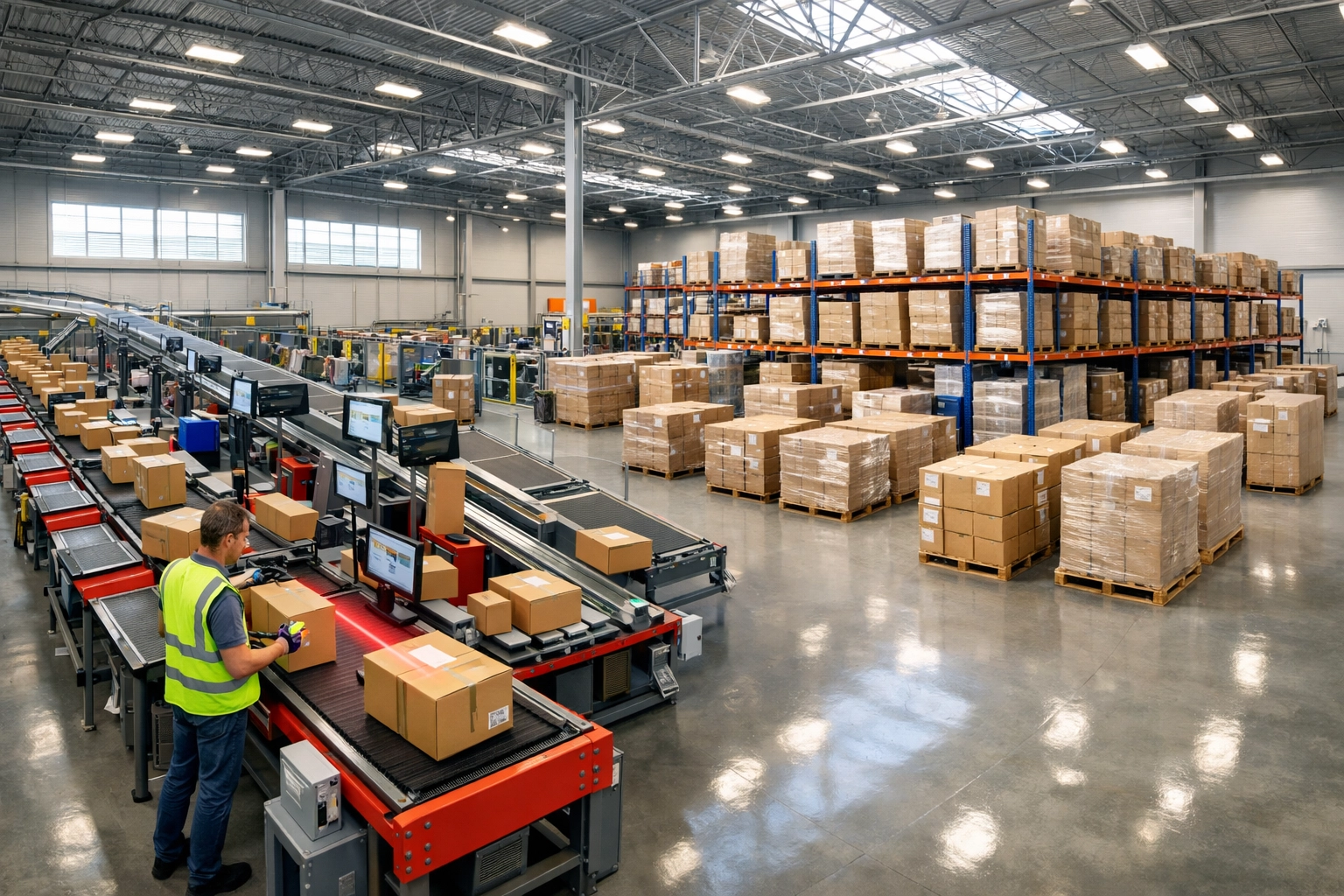
Instead of sending 2,000 units from overseas directly to Amazon, you send them to FBMFulfillment.com. We act as your command center. We hold the bulk of your inventory at a fraction of Amazon’s storage cost. Then, as your FBA levels dip, we “drip” 100 or 200 units into their system at a time.
This keeps your IPI high, your fees low, and ensures you never have too much capital tied up in Amazon’s “hostage” storage. For a step-by-step on this, read our 2026 strategy for high IPI and low fees.
6. Avoiding “Amazon Jail” and Regaining Control
When your inventory is in FBA, it belongs to Amazon’s rules. If they decide to flag your account or suspend a listing for a “suspected” intellectual property issue (even if it’s fake), your inventory is essentially locked in “Amazon Jail.” Getting it back via a Removal Order is slow, expensive, and often results in damaged goods.
By keeping a significant portion of your stock in an independent ecommerce fulfillment warehouse, you maintain 100% possession. You can pivot. If Amazon is giving you trouble, you can instantly turn up the heat on your Shopify or TikTok Shop sales.
Speaking of TikTok, if you haven’t looked into how fulfillment speed affects that algorithm, you should definitely check out our post on the TikTok Shop trap.
7. Shipping Reliability: FedEx 2Day vs. “Prime-ish”
We’ve all seen it: a customer pays for Prime, but the delivery date is 4 or 5 days out. Amazon’s logistics network is stretched thin.
At FBMFulfillment, we utilize FedEx 2Day for our premium shipments. This isn’t “best effort” 2-day; it’s a reliable, professional service. For high-value items where customer experience is paramount, having a guaranteed delivery window is a massive competitive advantage.
8. Returns Management: The Hidden Profit Killer
Amazon’s return policy is “The customer is always right, and the seller always pays.” Worse yet, Amazon’s warehouse staff are not experts in your product. They often take a defective return, glance at the box, and put it back into “sellable” inventory.
The result? The next customer gets a broken item, leaves a 1-star review, and your account health takes a hit.
When we handle your FBM returns, we actually inspect the goods. We follow your specific SOPs:
- Is the seal broken?
- Is the item functional?
- Can it be refurbished or does it need to be disposed of?
This level of care saves your reputation and your bottom line.
Summary: Where to Put Your Products
Given the significant risks of over-relying on a single platform, here is our expert recommendation:
- Use FBA for: Small, light, ultra-high-velocity items where the Prime badge is the primary driver of the Buy Box.
- Use FBM for: Oversized items, multi-unit bundles, high-SKU variations, and high-value products that require inspection.
- Use BOTH for: Your top sellers. Use the hybrid model to protect your BSR and the dripfeed model to control your margins.
The Amazon Fulfillment game is harder than it used to be. You need a partner that understands the nuances of the platform but stands outside of it.
Ready to stop paying “convenience” taxes to Jeff and start taking control of your margins? Contact us at FBMFulfillment.com and we will be glad to help you audit your current SKU list and find the hidden profit in your fulfillment strategy.
Amazon, TikTok, and Shopify walk into a warehouse: Why They All Need the Same SKU
FBA Fees Jumped Again in 2026: How Hybrid Fulfillment Protects Your Margins (And Your Sanity)