The “golden age” of friction-free e-commerce is officially over. For years, savvy sellers leveraged a massive loophole in U.S. trade law: Section 321, better known as the De Minimis rule. This allowed shipments valued under $800 to enter the country duty-free and with almost zero paperwork.
Fast forward to today, and the landscape has shifted. The suspension of De Minimis for high-volume e-commerce has sent shockwaves through the industry. If your business model relies on shipping individual packages directly from factories in Shenzhen or Vietnam to customers in the States, you aren’t just facing higher taxes. You are facing a logistical extinction event.
But where there is chaos, there is opportunity. While your competitors are busy scrambling and passing 30% price hikes onto their customers, you can pivot. This guide will show you how to move from risky direct-from-China shipping to a high-performance domestic fulfillment model that protects your margins and actually improves your customer experience.
WHAT IS THE DE MINIMIS DEATH KNELL?
Historically, the De Minimis exception was designed to save U.S. Customs and Border Protection (CBP) from the administrative nightmare of processing low-value personal items. In 2016, the threshold was raised to $800, which inadvertently paved the way for the rise of giants like Temu and Shein: and thousands of smaller Shopify and TikTok Shop sellers.
Unfortunately, the sheer volume of packages (over 1 billion annually) made it impossible for the government to track safety standards, intellectual property, or illicit substances. The result? A massive crackdown.
What has changed for you:
- Mandatory Duties: Most goods that previously entered for “free” are now subject to the same tariffs as bulk freight.
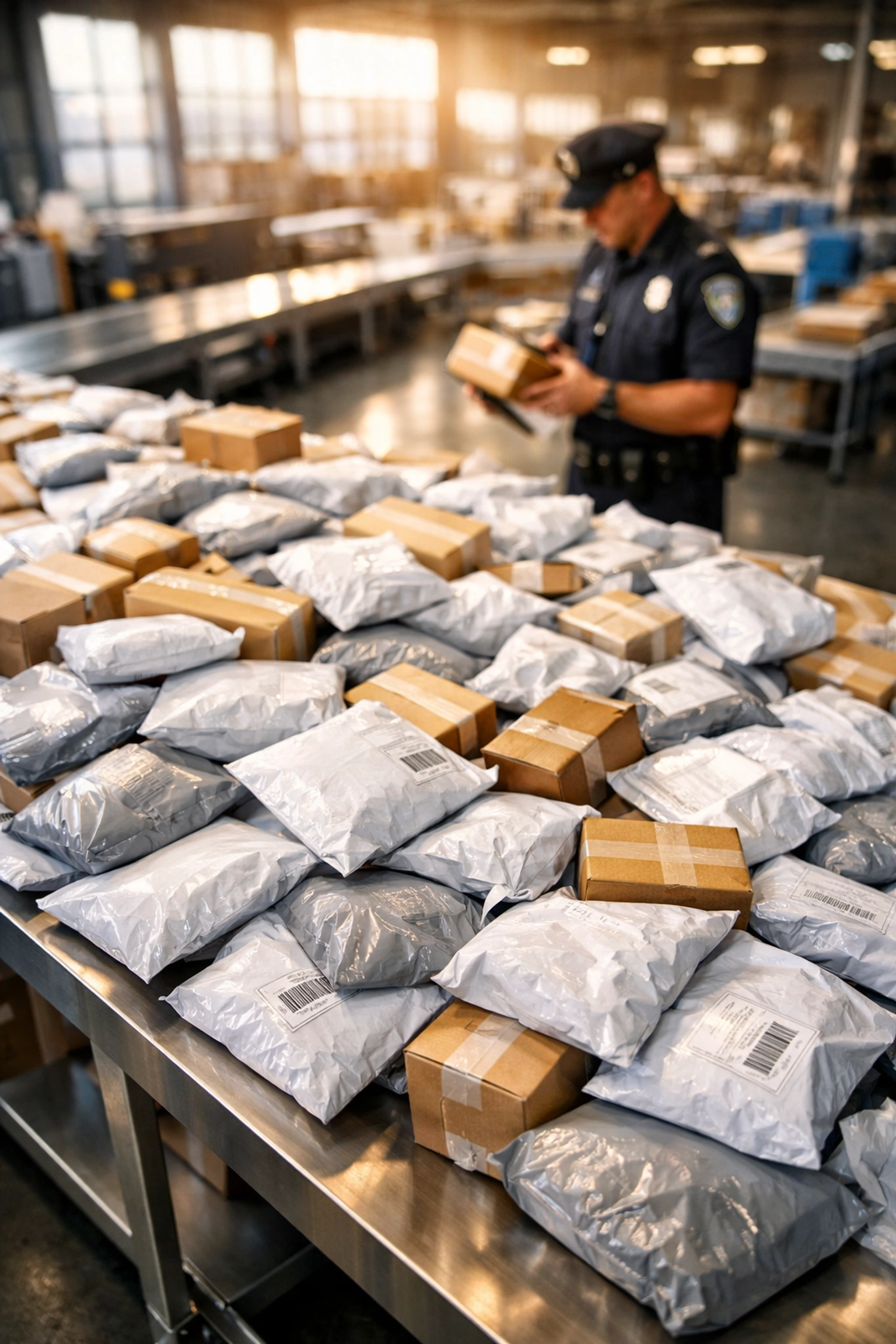
- Increased Inspections: Direct-to-consumer (DTC) air parcels are being flagged at unprecedented rates, leading to 14–21 day delays.
- Data Requirements: You now need to provide much more granular data for every single package, increasing your administrative costs per SKU.
WHY ARE YOUR MARGINS EVAPORATING?
If you continue to ship individual parcels cross-border, your P&L is going to look like a crime scene. When you factor in the new duties, the “junk fees” from air carriers, and the cost of customer service handling “Where is my order?” tickets, the math simply doesn’t work.
Moreover, shipping direct from overseas is a conversion killer. Modern consumers expect 2-day delivery. They don’t want to wait three weeks for a package that might get stuck in a customs warehouse in Alaska. If you can’t offer speed, you lose the “Buy Box” in the mind of the consumer.
THE STRATEGIC PIVOT: BULK IMPORTING VS. INDIVIDUAL PARCELS
The solution isn’t to stop selling; it’s to stop shipping like an amateur. To survive the post-De Minimis era, you must transition to bulk fulfillment.
Instead of shipping 1,000 individual orders via air mail, you ship one consolidated pallet or container via ocean or air freight. You clear customs once, pay your duties in one go, and move the inventory into a domestic 3PL (Third-Party Logistics) warehouse like FBMFulfillment.com.
The “Math” of the Pivot
- Direct Shipping: $12 shipping + $5 duty/processing fee + 14-day transit = $17 per order.
- Bulk + Domestic 3PL: $2 ocean freight (amortized) + $1 duty (amortized) + $8 domestic fulfillment + 2-day transit = $11 per order.
By moving inventory stateside, you aren’t just saving $6 an order; you are gaining the ability to scale.
HOW TO TRANSITION TO DOMESTIC FULFILLMENT IN 4 STEPS
Pivoting your entire supply chain sounds daunting, but it’s a standard procedure for high-growth brands. Here is the blueprint.
1. Audit Your SKUs and Inventory Levels
You cannot move your entire catalog overnight. Start with your “hero” products: the 20% of SKUs that drive 80% of your revenue. Calculate your 30-day and 60-day velocity. You need enough domestic stock to prevent stockouts but not so much that you’re crushed by storage fees.
Pro Tip: If you sell on Amazon, consider an Amazon FBM/FBA hybrid listing. This allows you to keep selling via FBM (Fulfilled by Merchant) even if your FBA stock runs dry.
2. Master the Bulk Import Process
Bulk importing requires more foresight than individual shipping. You’ll need a customs broker and a clear understanding of your HTS (Harmonized Tariff Schedule) codes.
- Action: Secure your inventory now before stricter rules or further tariff hikes hit.
- Warning: Do not try to “under-value” bulk shipments. CBP is watching bulk imports more closely than ever.
3. Partner with a Performance-Driven 3PL
Not all 3PLs are created equal. Many are “dinosaur” warehouses that don’t understand the speed of TikTok Shop or Shopify. You need a partner that offers:
- Same-Day Fulfillment: If an order comes in by 3 PM, it must go out by 5 PM.
- Strategic Location: Being near major hubs (like the East Coast) ensures fast delivery to high-density populations.
- Multi-Channel Integration: Your 3PL should plug directly into your store so inventory updates in real-time.
4. Leverage 2-Day Delivery as a Marketing Tool
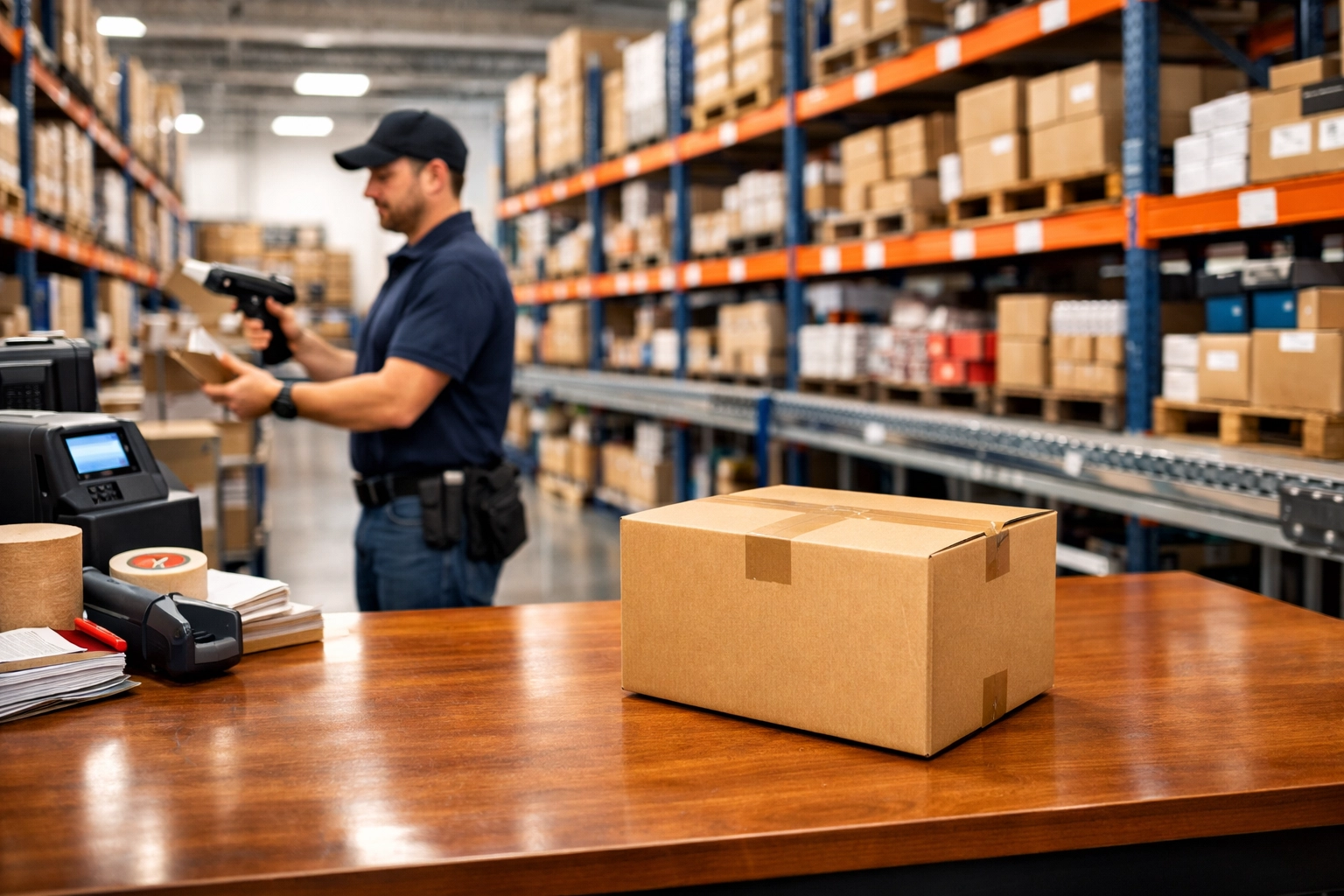
Once your inventory is at a facility like FBMFulfillment.com, you can start using “Fast & Free Shipping” badges. This is your competitive advantage. While your rivals are still stuck in the De Minimis nightmare, you are delivering packages before their customers even get a tracking number.
THE RISKS OF CHOOSING THE WRONG PARTNER
As the demand for domestic fulfillment skyrockets, new warehouses are popping up everywhere. Exercise extreme caution.
Many of these are fly-by-night, under-capitalized 3PL startups. They promise low rates but lack the technology, staff, or insurance to protect your brand. If they go under, your inventory goes into a legal vacuum. Always vet your 3PL’s financial stability and operational history.
WHY FBMFULFILLMENT.COM IS YOUR BEST SOLUTION
At FBMFulfillment.com, we didn’t just join the logistics industry; we were built by sellers, for sellers. We saw the writing on the wall with Section 321 years ago. We’ve optimized our entire operation to handle the transition from international direct-shipping to high-velocity domestic fulfillment.
Why brands are switching to us:
- Zero Amazon Storage Fees: By utilizing FBM, you avoid the predatory storage fees and “Low Inventory Level” fees that Amazon charges.
- Nationwide 2-Day Reach: We leverage strategic carrier relationships to ensure your customers get their orders fast.
- Personal Support: You aren’t just a number in a database. You have access to real human beings who understand your business.
FINAL THOUGHTS: ADAPT OR DISAPPEAR
The demise of De Minimis isn’t a “temporary hurdle.” It is a permanent change in how global trade works. The era of the “dropshipping” margin is dead. To build a sustainable, profitable brand in 2026 and beyond, you must own your logistics.
By importing in bulk and utilizing a professional domestic fulfillment partner, you insulate yourself from policy changes, reduce your per-order costs, and provide a customer experience that builds true loyalty.
Ready to protect your margins?
Don’t wait until your next shipment is seized or taxed into oblivion. Contact us at FBMFulfillment.com today, and we will be glad to help you map out a transition plan that keeps your business growing.
Key Takeaways for E-commerce Sellers:
- Stop shipping direct: The duties and delays make it unsustainable.
- Go Bulk: Ocean freight is your friend for cost-efficiency.
- Go Domestic: Use a 3PL to offer 2-day shipping and beat the competition.
- Vet your partners: Avoid the risks of unproven startups.
- Act now: The transition takes time( don’t wait for your margins to hit zero.)
Are Direct-from-China Shipments Dead? The Truth About the De Minimis Crackdown