Are Direct-from-China Shipments Dead? The Truth About the De Minimis Crackdown
If you’ve been running an e-commerce brand by shipping individual packages directly from overseas to your customers’ doorsteps, I’ve got some news. It isn’t exactly a “glass half full” situation. In fact, the glass just shattered on the floor, and the floor is on fire.
For years, the De Minimis rule (better known as Section 321) was the ultimate “get out of jail free” card for DTC brands. It allowed packages valued at $800 or less to enter the United States duty-free and with minimal paperwork. It’s the reason why apps like Temu and Shein exploded, and why many smaller Shopify sellers opted to skip the “hassle” of a U.S. warehouse.
De Minimis-Wikipedia
But as of 2026, that party is officially over. The “loophole” has been closed, locked, and barricaded.
If your business model relies on “cheap air freight from China,” you are looking at a catastrophic risk to your margins. Let’s break down exactly what happened, why it’s happening, and how you can pivot to a domestic setup at FBMFulfillment.com before your brand becomes a cautionary tale.
WHAT IS THE DE MINIMIS CRACKDOWN?
To understand the death of the direct-ship model, you have to understand the rule that birthed it. Section 321 of the Tariff Act of 1930 originally set a tiny threshold for duty-free imports. In 2016, that threshold was raised to $800. Suddenly, millions of individual packages could flood into the U.S. every day without paying a dime in tariffs.
Fast forward to 2025 and early 2026. The U.S. government decided enough was enough.
The crackdown happened in waves. First, in May 2025, duty-free treatment was eliminated for shipments specifically from China and Hong Kong. Tariffs didn’t just go up: they skyrocketed, in some cases reaching 120%. By August 2025, the exemption was suspended globally.
Finally, the “One Big Beautiful Bill Act” was signed, effectively repealing the De Minimis rule entirely. By 2027, the concept of a “duty-free small package” will be a relic of the past.
WHY DID UNCLE SAM PULL THE PLUG?
You might be wondering why the government decided to nuke a system that provided consumers with cheap goods. It wasn’t just about the tax revenue (though that’s a big part of it). There were three major drivers behind this shift:
- Narcotics and Counterfeits: Customs and Border Protection (CBP) reported that a staggering 98% of narcotics seizures and 97% of intellectual property (IP) seizures in 2024 were linked to De Minimis shipments. The sheer volume of small packages made it impossible to inspect them all.
- Unfair Advantage: Domestic retailers and brands that imported goods in bulk and paid their fair share of duties were being undercut by overseas sellers who bypassed those costs entirely.
- National Security: Concerns over data privacy and the economic influence of ultra-fast-fashion giants led to a bipartisan push to level the playing field.
The result? The “cheap air freight” model is now the “expensive, delayed, and audited air freight” model.
THE DEATH OF THE “CHEAP AIR FREIGHT” MODEL
If you are still trying to ship directly from China to the U.S. consumer, you’re likely experiencing a few things right now. None of them are good.
1. CATASTROPHIC MARGIN EROSION
When you add a 25% to 100% tariff on a product that previously entered for free, your profit margin doesn’t just shrink: it vanishes. Many DTC brands operating on thin margins are finding that their landed cost is now higher than their retail price.
2. CUSTOMS DELAYS THAT KILL CONVERSION
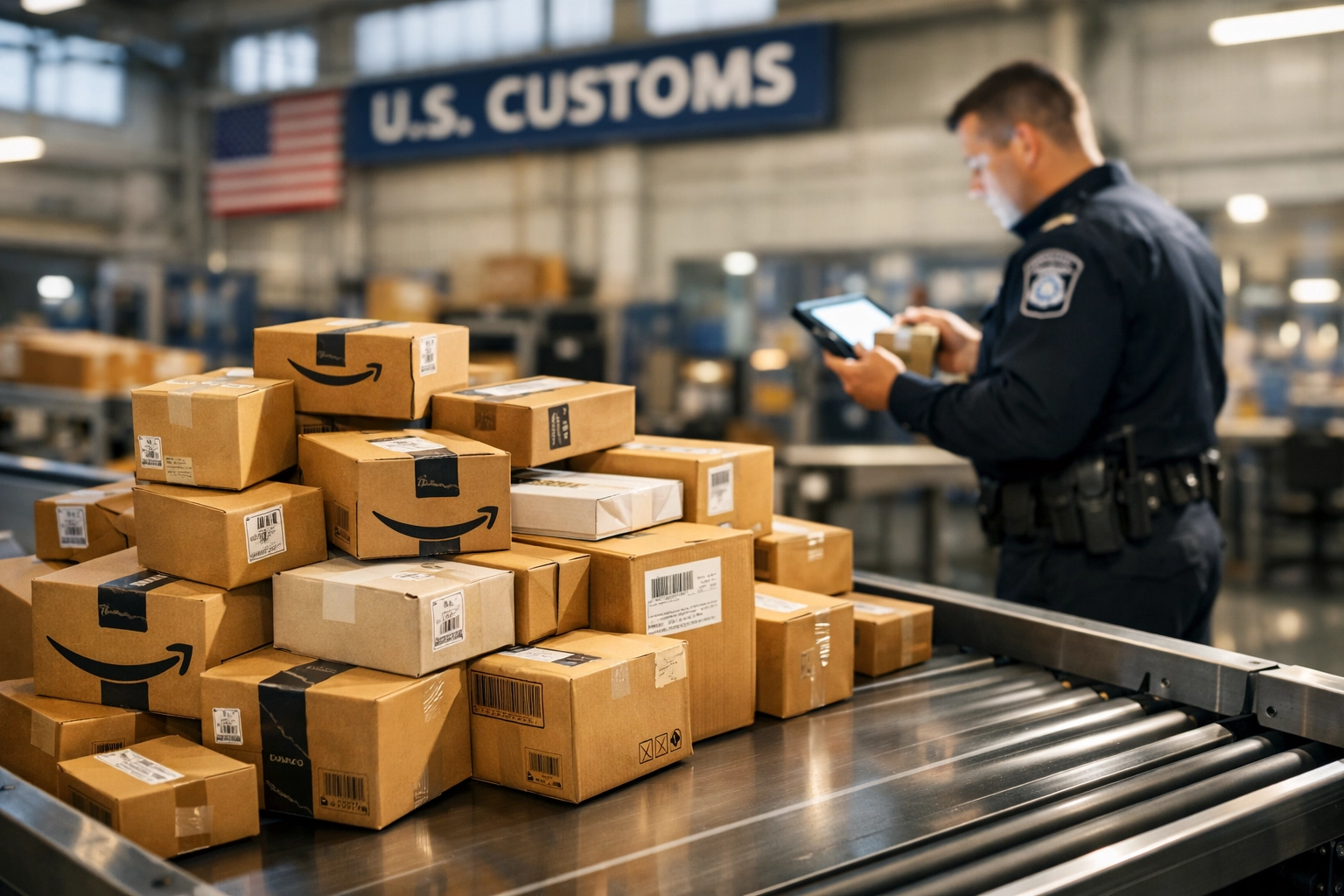
Because the government is now scrutinizing every small package for duty compliance and illicit goods, customs wait times have ballooned. That “10-day shipping” promise you made on your website? It’s now 30 days. In the age of 2-day delivery expectations, a month-long wait is a death sentence for your conversion rates and customer retention.
3. THE TIKTOK AND SOCIAL COMMERCE EFFECT
Platforms like TikTok Shop are under immense pressure to comply with these new regulations. If you’re a seller on TikTok Shop, the platform is increasingly favoring brands that can guarantee fast, domestic shipping. If your tracking numbers show a package sitting in a customs warehouse in Alaska for two weeks, your account health is going to tank.
SURVIVING THE SHIFT: WHY DOMESTIC FULFILLMENT IS THE ONLY WAY FORWARD
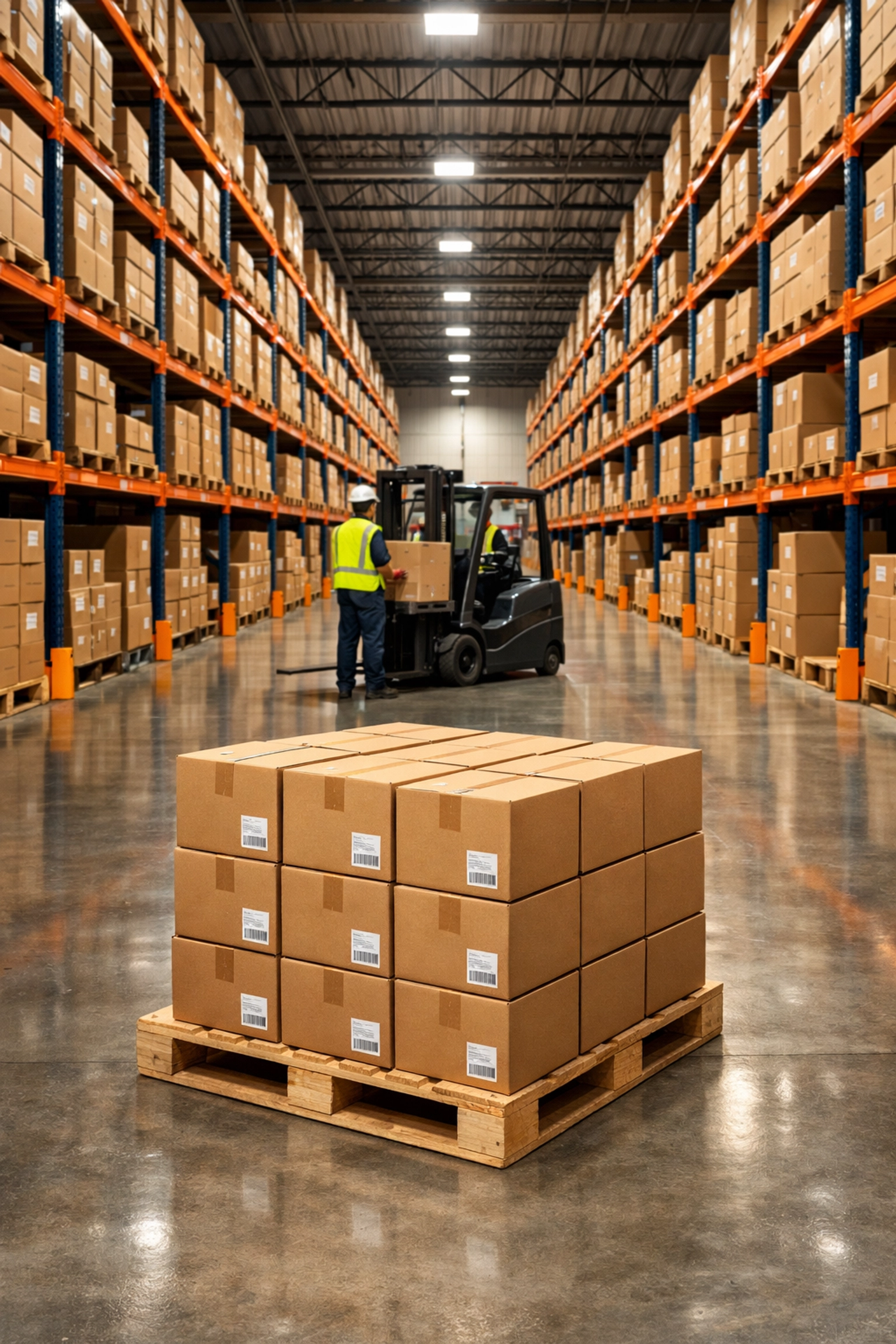
Given the significant risks of the direct-ship model, the only logical move is to transition to a domestic fulfillment strategy. This means importing your inventory in bulk via ocean freight (which is still significantly cheaper than air freight per unit, even with duties) and storing it in a professional U.S. 3PL warehouse.
Here is why moving your inventory to FBMFulfillment.com is the play:
2-DAY DELIVERY IS BACK ON THE TABLE
When your inventory is sitting in our warehouse, we can get it to your customer in 1-3 days. No customs, no trans-Pacific flights, no “where is my package?” emails. Domestic shipping is predictable. Predictability breeds happy customers. Happy customers breed repeat business.
COMPLIANCE AND STABILITY
The rules for bulk imports (Type 86 entries and formal entries) are well-established and stable. By importing in bulk and paying the proper duties upfront, you remove the “lottery” aspect of customs inspections. You know your costs, and you know your timeline.
AVOID THE “FLY-BY-NIGHT” 3PL TRAP
As the De Minimis rule dies, a lot of new, under-capitalized warehouse startups are popping up promising “cheap” rates to desperate sellers. Be cautious. These “pop-up” 3PLs often lack the technology and infrastructure to handle high-volume DTC shipping. We’ve seen many sellers lose their entire inventory when these startups go bust. Check out our warning on fly-by-night e-commerce 3PL startups to see the risks.
THE HYBRID MODEL: FBA VS. FBM
Many sellers think the answer is just to send everything to Amazon FBA. While FBA is great, it’s also expensive and restrictive. Between storage fees, inbound placement fees, and the constant threat of “unfulfillable” inventory, relying solely on Amazon is a dangerous game.
The best solution? A Hybrid FBM/FBA model.
- Keep a portion of your stock at Amazon for that “Prime” badge.
- Keep the rest of your inventory at FBMFulfillment.com to fulfill your Shopify, TikTok Shop, and Walmart orders.
This gives you a “backup” if Amazon has a stockout or decides to lose your shipment. We even have a guide on how to create Amazon FBM/FBA hybrid listings to help you set this up correctly.
HOW TO MAKE THE TRANSITION (STEP-BY-STEP)
If you’re currently shipping direct from China, don’t wait until your shipments are seized to make a move. Here are key steps to pivot:
- Audit Your SKUs: Identify your best-sellers. These are the items you should move to a U.S. warehouse first.
- Calculate Your Landed Cost: Work with a freight forwarder to calculate the cost of bulk ocean freight + duties vs. the new “taxed” air freight rates. You’ll likely find bulk shipping is still more cost-effective.
- Choose a Reliable Partner: Look for a 3PL that understands the “seller” side of the business. At FBMFulfillment.com, we were built by sellers, for sellers. We know the pain of Amazon removals and TikTok Shop compliance.
- Drip-Feed Your Inventory: You don’t have to move everything at once. Use a drip-feed strategy to move stock into the U.S. as your overseas supply runs low.
THE BOTTOM LINE
The “De Minimis” era was a wild west of e-commerce, but the sheriff has finally arrived in town. The direct-from-China model is effectively dead for anyone wanting to build a sustainable, scalable brand in the U.S. market.
Higher costs, customs “red alerts,” and delivery delays are the new normal for Section 321 shipments. But for the savvy seller, this is actually an opportunity. While your competitors are struggling with seized packages and angry customers, you can be the brand that offers reliable, 2-day domestic shipping.
Don’t let your business die at the border. Move your inventory stateside, secure your margins, and get back to growing your brand.
If you’re ready to make the jump, contact us at FBMFulfillment.com and we will be glad to help you navigate the transition. We’ve helped countless sellers move from “direct-ship” to “domestic-powerhouse,” and we can do the same for you.